






Your First Line of Defence: Planning
The smartest move during a downpour is often the one you make before leaving home. Always check the weather forecast from a reliable source like the India Meteorological Department (IMD). Recent advisories from authorities in states like Maharashtra and
Himachal Pradesh highlight the importance of avoiding non-essential travel during red or orange alerts. If heavy rain is predicted, the safest decision might be to postpone your trip or work from home if possible. Authorities have increasingly advised private establishments to allow remote work during severe weather events to reduce traffic congestion and ensure safety.
Essential Apps for Real-Time Alerts
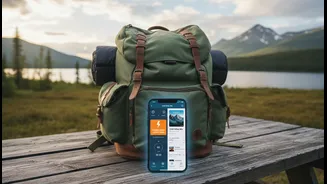
Arm your smartphone with the right applications to get a real-time picture of the situation on the ground. Google Maps and Waze provide live traffic data, including road closures and waterlogging reports from other users. For weather, the IMD's 'Mausam' and 'Windy' apps offer detailed forecasts and radar imagery. Crucially, the government's 'FloodWatch India' app, developed by the Central Water Commission, provides real-time flood forecasts from hundreds of monitoring stations across the country. The National Disaster Management Authority's (NDMA) 'Sachet' app is another vital tool, offering pan-India alerts for various disasters, including floods.
Pre-Monsoon Vehicle Health Check
Your vehicle is your first shield against the rain, and it needs to be in top condition. Before the monsoon truly sets in, conduct a thorough check. Ensure your tyres have adequate tread depth to grip wet roads and prevent aquaplaning. Worn-out tyres can be extremely dangerous. Test your brakes, as wet conditions significantly increase stopping distances. Replace old or streaking wiper blades for clear visibility. Finally, check all lights—headlights, taillights, and indicators—to ensure you can see and be seen in low-visibility conditions.
Driving Through Water: A Calculated Risk
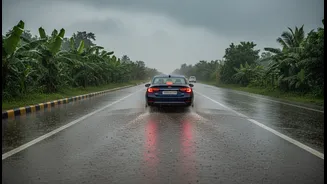
The golden rule is: if you can't see the road surface, don't drive through the water. It can conceal deep potholes or open manholes. If you must proceed and the water is shallow (generally no more than 10-15 cm), do so with extreme caution. Engage a low gear (first or second) and keep the engine revs high to prevent water from entering the exhaust pipe. Maintain a steady, slow speed to create a small 'bow wave' in front of your vehicle and prevent the engine bay from flooding. Never splash pedestrians; it is a traffic offence. After exiting the water, gently tap your brakes to dry them out and ensure they are functioning correctly.
What if You Get Stuck?
If your car stalls in a waterlogged area, do not try to restart the engine. This can cause water to be sucked into the engine, leading to catastrophic and expensive damage. Put your hazard lights on, and if the water level is rising, it's safer to abandon the vehicle and move to higher ground. If you are trapped and the doors won't open due to water pressure, remain calm. Try pushing the door open with both feet. If that fails, you will need to break a side window, not the windscreen, which is much stronger. Use a heavy object or the headrest's metal prongs to shatter the glass.
The Monsoon Emergency Kit
A small emergency kit in your car can be a lifesaver if you get stranded. Essentials include a fully charged power bank for your phone, a torch, a first-aid kit, drinking water, and some snacks. It's also wise to keep a towel, a raincoat, and a waterproof bag for your important documents and electronics. Having a towing strap and jumper cables can also be incredibly useful in an emergency. These simple items can make a long wait much more bearable and safe.