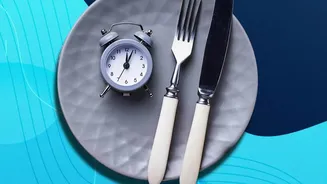






Your Body Runs on a 24-Hour Clock
Deep inside our bodies, a master clock is ticking. Known as our circadian rhythm, this 24-hour cycle governs everything from hormone release to body temperature and, crucially, metabolism. This internal clock is primarily synced by daylight, but food
is another powerful cue. Our bodies are primed to digest and process food most efficiently during our active, daylight hours. As evening approaches, our metabolism naturally begins to slow down as it prepares for a period of rest and repair during sleep. Eating late at night can disrupt this natural rhythm, forcing your body to digest a large meal when it should be winding down. This misalignment can lead to less efficient processing of nutrients and calories.
How Early Dinners Can Boost Fat Burning
One of the most compelling benefits of an earlier dinner is its effect on fat oxidation—your body's process of burning fat for energy. When you eat, your body releases insulin to manage the influx of glucose (sugar) from the meal. Insulin sensitivity is typically higher earlier in the day. Eating late can lead to higher blood sugar and insulin levels at night, which encourages the body to store those calories as fat. By finishing your meal several hours before bed, you give your insulin levels a chance to fall. This allows your body to switch from using the energy from your last meal to tapping into its stored fat reserves overnight. Studies have shown that people who eat a late-night meal burn less fat while they sleep compared to when they eat the same meal earlier in the day. Aligning your dinner with your body's period of peak metabolic performance gives you a physiological advantage for weight management.
The Connection Between Digestion and Deep Sleep
If you've ever struggled to sleep after a heavy, late meal, you've experienced the conflict between digestion and rest. The digestive process is an active one, requiring energy and increasing blood flow to your gut. This can raise your core body temperature and heart rate precisely when they should be dropping to facilitate sleep. A late dinner can lead to indigestion, acid reflux, and bloating, all of which can disrupt sleep and prevent you from reaching the deeper, more restorative stages of sleep. Your body is supposed to focus on repair and memory consolidation during the night, not breaking down a three-course meal. By giving your body a 2-3 hour window between your last bite and bedtime, you allow the stomach to empty and the digestive system to quiet down, paving the way for uninterrupted, quality sleep.
What 'Early' Actually Looks Like
The ideal dinner time isn't a one-size-fits-all number, but the general principle is to create a significant gap between your last meal and when you go to sleep. Most research suggests finishing your dinner at least two to three hours before bedtime is beneficial. For someone who sleeps at 10 PM, this would mean finishing dinner by 7 or 8 PM. This contributes to a daily fasting window of 12 hours or more, which has been associated with numerous health benefits. This concept, often called time-restricted eating, focuses on confining your calorie consumption to a specific window during your most active hours. The key is consistency; aligning your meals with your body's natural day-night cycle helps stabilize your circadian rhythm for better metabolic health and sleep in the long run.
Practical Tips for Making the Shift
Shifting your evening meal earlier can be a challenge, especially with work schedules and social lives. Start gradually by moving your dinner time forward by 15-30 minutes every few days. Meal prepping can be a huge help, ensuring a healthy meal is ready to go when you get home. If you feel hungry before bed, a small, light snack that is low in sugar and fat is a better option than a full meal. Think about a handful of nuts or a small cup of herbal tea. It's also important to stay hydrated throughout the evening, but try to limit liquids right before bed to avoid waking up. The goal isn't rigid perfection, but rather a consistent effort to eat in sync with your body's internal clock.