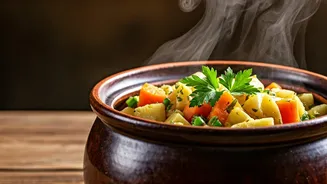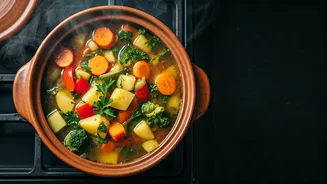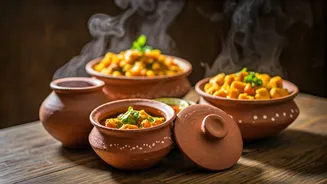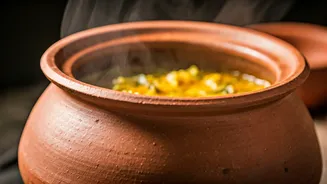



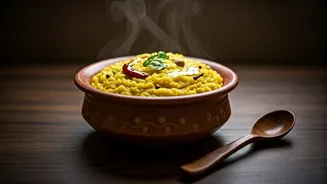


The Allure of the Earthen Pot
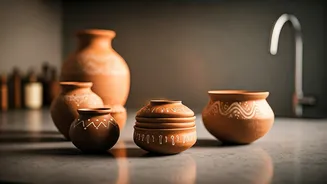
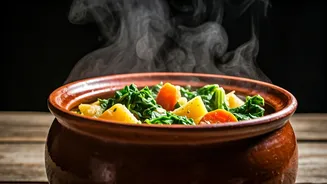
In an age of instant pots and high-speed induction, turning to a simple clay pot might seem counterintuitive. Yet, for centuries, kitchens across India and the world have relied on this humble vessel. [14] The claim that food, especially a slow-simmered
stew, tastes better when cooked in earthenware is more than just nostalgia; it's a culinary principle rooted in science. [1, 8] Unlike modern metal cookware designed for speed, clay pots are built for a slow, gentle cooking process that allows flavours to develop fully and deeply. [1] This return to tradition isn't about rejecting modern convenience, but about rediscovering a method that prioritizes depth of flavour and nutritional integrity.
The Science of Slow and Steady
The secret lies in the pot's physical properties. Earthenware is naturally porous, allowing it to "breathe" during cooking. [3, 8] This porosity enables a slow but consistent circulation of steam and heat, creating a moist environment where vegetables become tender without turning mushy. [1, 11] While metal pots like steel and aluminum heat up quickly and can create hot spots, clay heats up slowly and distributes that warmth evenly. [8, 13] This gentle, uniform heat prevents ingredients from burning and allows their natural aromas and flavours to release gradually without becoming bitter. [1] Furthermore, clay has excellent heat retention, meaning it holds warmth long after being removed from the stove, which is both energy-efficient and perfect for keeping stews warm for serving. [6, 8]
A Deeper, More Complex Flavour
The impact on taste is profound. The slow, moist cooking environment ensures that the natural juices and water-soluble nutrients from the vegetables are retained within the dish rather than evaporating away. [2, 3] This results in a stew that is richer and more succulent. [15] Additionally, clay is naturally alkaline. This property helps to balance the pH of acidic ingredients like tomatoes, making them taste sweeter and less sharp. [4, 22] Many proponents also note an 'earthy' undertone that clay imparts, a subtle flavour that modern cookware simply cannot replicate. [2, 7] Because the cooking is so gentle, far less oil is required, allowing the true taste of the vegetables to shine through. [7]
Preserving Nutrients Naturally
Beyond taste, cooking in clay offers significant nutritional advantages. High, aggressive heat from metal pans can destroy delicate vitamins in vegetables. [2] The gentle, low-and-slow approach of clay pot cooking helps preserve these sensitive nutrients. [1, 8] Some studies even suggest that cooking in clay retains a significantly higher percentage of nutrients compared to cooking in steel or aluminum vessels. [2] The non-reactive nature of pure clay also means there is no risk of harmful chemicals or metals like nickel and chromium leaching into your food, an issue that can arise with some non-stick coatings and metal pans, especially when cooking acidic dishes. [4, 18]
Getting Started with Earthen Cookware
If you're ready to try it, there are a few things to know. It's crucial to 'season' a new, unglazed clay pot before its first use. This typically involves soaking the pot and lid in water for several hours, or even overnight. [9, 10] This process strengthens the pot and ensures it has absorbed enough moisture to create that perfect steaming effect. [9] When cooking, always start on a low heat and increase it gradually to avoid thermal shock, which can cause cracks. [5, 17] For cleaning, avoid soaps and detergents, as the porous clay can absorb them. Instead, use hot water, baking soda, and a stiff brush. [5, 22] With proper care, an earthen pot can last for years, becoming more seasoned and flavourful with each use. [15]