





The Unexpected Problem in Your Breakfast Glass
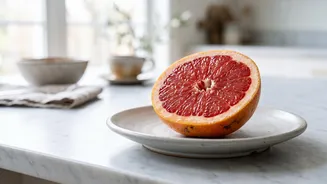
It sounds like a strange warning: be careful mixing grapefruit juice and your medication. Yet, this advice is printed on the labels of dozens of common drugs for a critical reason. A healthy glass of juice can dramatically alter how your body processes
certain medicines, leading to a surge of the drug in your bloodstream. This isn't a mild side effect; the interaction can elevate a normal, therapeutic dose to toxic levels, increasing the risk for serious complications like kidney failure, respiratory depression, or severe muscle damage. This phenomenon, often called the 'grapefruit juice effect', stems from a direct chemical interference with the machinery your body uses to protect itself from foreign substances.
Meet Your Gut’s Gatekeeper: The CYP3A4 Enzyme
Your small intestine is more than just a tube for absorbing nutrients; it’s an active chemical barrier. Its walls are lined with a family of crucial enzymes, the most important of which is Cytochrome P450 3A4, or CYP3A4 for short. This enzyme acts as a gatekeeper, breaking down and metabolizing a vast number of substances before they can be absorbed into the bloodstream. This 'first-pass metabolism' is a vital safety check. Drug manufacturers account for CYP3A4's activity when they determine dosage, assuming a certain percentage of the medication will be neutralized in the gut. When something interferes with CYP3A4, that careful calculation is thrown out the window.
The Chemical Culprits: Furanocoumarins
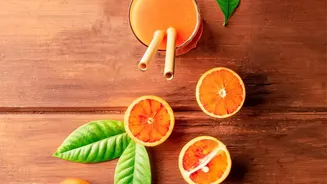
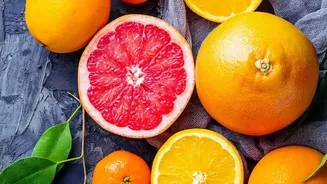
The active ingredients in certain citrus juices responsible for this effect are compounds called furanocoumarins. Grapefruit is the most famous source, but it's not alone. Seville oranges (often used in marmalade), pomelos, and tangelos also contain these potent chemicals. On the other hand, common sweet oranges (like navel or Valencia varieties) and lemons do not contain furanocoumarins in significant enough amounts to cause this specific interaction, though lemons show some mild, different inhibitory effects. The furanocoumarins in grapefruit, primarily bergamottin and 6,7-dihydroxybergamottin, are the key troublemakers.
A Permanent Blockade
Unlike some interactions where you can simply space out your food and medication, the grapefruit effect is long-lasting. The furanocoumarins don't just temporarily block the CYP3A4 enzyme; they bind to it and cause irreversible inactivation. Essentially, the enzyme is destroyed. Your body must then manufacture entirely new enzymes to replace the ones that were knocked out. This process is slow, taking anywhere from 24 to 72 hours to return to normal function. This means that even a single glass of grapefruit juice consumed in the morning can affect medication taken that evening, or even the next day. Just one whole grapefruit or a 200ml glass of juice is enough to cause a clinically significant interaction.
Which Drugs Are Most Affected?
The list of medications impacted by this interaction is long and growing, spanning many common categories. Because CYP3A4 metabolizes about half of all drugs, the potential for interaction is widespread. Some of the most critical classes include: certain statins used to lower cholesterol (like simvastatin and atorvastatin), various blood pressure medications (like nifedipine), blood thinners (like rivaroxaban), anti-anxiety drugs (like buspirone and diazepam), and some organ transplant rejection drugs. With the enzyme blocked, more of the active drug floods the system, dramatically increasing the risk of dose-related side effects. For statins, this could mean muscle pain and damage; for blood pressure meds, a dangerous drop in blood pressure.
How to Stay Safe
Given the severity of the potential interaction, the best approach is caution and communication. It's not a risk that can be managed by timing your dose, as the effect lasts for days. If you take any prescription medication, it is crucial to ask your doctor or pharmacist specifically about grapefruit and other citrus interactions. Read the patient information leaflet that comes with your medication, as it will often include a specific warning. For drugs known to have a significant interaction, the only safe advice is to avoid grapefruit, pomelos, Seville oranges, and tangelos completely. It is a simple dietary change that can prevent a serious medical event.