

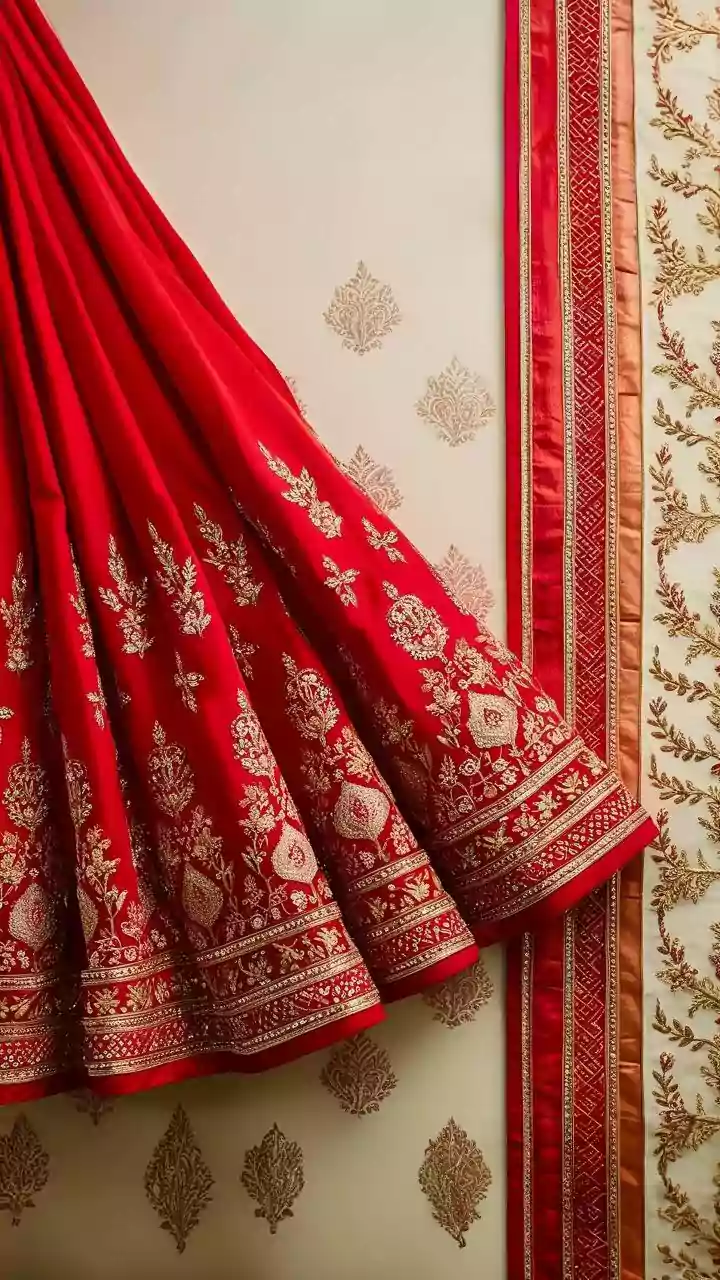




The Philosophy of the List
Before you even think about browsing online or stepping into a store, the most crucial tool at your disposal is a simple list. This isn't just a random collection of wants; it's a strategic document born from a clear-eyed assessment of your existing wardrobe.
The goal is to shift from reactive, trend-driven purchasing to proactive, needs-based shopping. This approach saves money, reduces decision fatigue, and ensures every new piece you acquire has a distinct purpose. It's the difference between buying a sparkly lehenga because it’s on sale and buying it because you have a wedding sangeet to attend and no appropriate outfit. One is an impulse, the other is a solution.
Step 1: Conduct a Wardrobe Audit
The first step is to get reacquainted with what you already own. Many of us have festive wear tucked away that we haven't seen since last Diwali. Pull everything out—sarees, kurtas, lehengas, blouses, and trousers. Lay them on your bed and honestly assess each item. Ask yourself practical questions: Does this still fit me comfortably? Is it in good condition, free of stains or damage? Does it still reflect my personal style? Be ruthless but fair. Create three piles: 'Keep', 'Donate/Sell', and 'Repair'. This audit provides a clear inventory of your assets, preventing you from buying duplicates and reminding you of forgotten treasures.
Step 2: Identify Your 'Unsolved Outfit Needs'
With your 'Keep' pile in front of you, it's time to identify the gaps. This is the core of the 'unsolved needs' method. As you look at your favourite pieces, you might notice recurring problems. Perhaps you have several beautiful sarees but only one versatile blouse that goes with them. Or maybe you own stunning kurta sets but lack comfortable yet elegant footwear like juttis or block heels to complete the look. These gaps are your 'unsolved needs'. Write them down as you spot them. The thought process should be, “If only I had a [specific item], I could wear this [existing garment] to [event].” Common gaps often include well-fitting basic blouses in neutral colours (gold, silver, black), versatile dupattas, statement jewellery that can elevate simple outfits, or a smart clutch bag.
Step 3: Map Out Your Festive Calendar
Your shopping list needs context. Think about the specific events you're likely to attend in the upcoming festive and wedding season. Are you hosting a casual Diwali puja at home? Attending a glamorous wedding reception? Going to office parties or more intimate family dinners? Each event has a different dress code and energy. For a daytime function, lighter fabrics and pastel shades might be appropriate, while evening celebrations call for richer jewel tones and embellishments. Listing out your potential events helps you prioritise your shopping list. A versatile Anarkali might serve you well for multiple family gatherings, while a specific cocktail-appropriate outfit might be needed for a sangeet night.
Step 4: Build Your Actionable Shopping List
Now, merge your 'unsolved needs' with your festive calendar to create a concrete, actionable shopping list. Instead of writing a vague entry like “new kurta,” be specific. For example: “Cream-coloured chikankari kurta set for casual festive lunches,” or “Statement kundan earrings to pair with my blue silk saree.” Detailing the colour, style, and purpose of each item keeps you focused. This list is your blueprint for success. It ensures you shop with intention, looking for specific pieces that will complete multiple outfits and solve real wardrobe problems. This is how you build a cohesive, hard-working festive wardrobe rather than a collection of one-off impulse buys.
Step 5: Shop with Purpose, Not Panic
With your list in hand, you are now prepared to shop effectively. Set a budget before you start. During your shopping, whether online or in-person, stick to your list. It's easy to get distracted by flashy sales and new arrivals, but your list is your anchor, reminding you of what you truly need. Focus on quality over quantity. A well-made, versatile piece will serve you far better than several cheaper, trend-led items. When you find an item from your list, take a moment to consider its versatility. Can you style this piece in at least three different ways with other items you already own? If the answer is yes, you've found a winner.