


It’s a familiar story: you start the day strong, but by 11 AM, a wave of fatigue hits. Your focus blurs, and all you can think about is another coffee. This mid-morning slump doesn't have to be your reality. The solution may lie in your kitchen.
Decoding the Mid-Morning Crash
That sudden
feeling of tiredness and irritability that hits before lunch isn't just in your head. It's often a physiological response to what you ate for breakfast. Many convenient breakfast options like sugary cereals, white bread, or pastries are high in simple carbohydrates. These foods cause a rapid spike in your blood sugar, giving you a quick burst of energy. However, your body responds by releasing a large amount of insulin to clear the sugar from your blood, leading to a subsequent crash that leaves you feeling drained and unfocused. This cycle of a sugar rush followed by a crash is what fuels the dreaded mid-morning slump.
Fiber: The Key to Sustained Energy
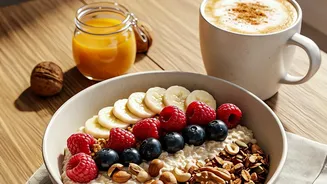
The secret to avoiding this energy rollercoaster is choosing foods that provide a slow, steady release of energy. This is where dietary fiber shines. Fiber is a type of carbohydrate that your body can't digest, so it doesn't cause a spike in blood sugar. Soluble fiber, in particular, dissolves in water to form a gel-like substance in your digestive system. This gel slows down digestion and the absorption of sugar into the bloodstream, preventing sharp peaks and troughs in your energy levels. By keeping you feeling fuller for longer and stabilizing your blood glucose, a fiber-rich breakfast sets you up for sustained productivity throughout the morning.
Poha: Light, Fluffy, and Fulfilling
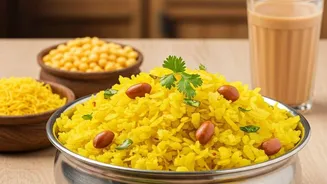
A staple in Western and Central India, poha (flattened rice) is a fantastic breakfast choice. While standard white poha is good, opting for red or brown rice poha increases the fiber content. What truly makes poha a winner is how it's prepared. Typically sautéed with onions, mustard seeds, and turmeric, it's often loaded with vegetables like peas and carrots and garnished with peanuts. This combination adds extra fiber, protein, and healthy fats, making it a balanced meal that is light on the stomach yet provides lasting energy.
Idli and Dosa: The Power of Fermentation
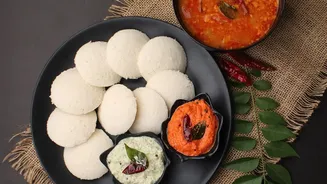
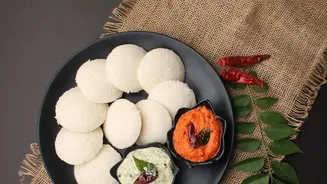
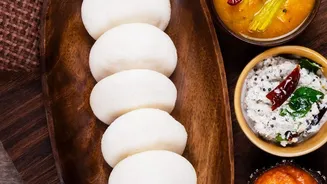
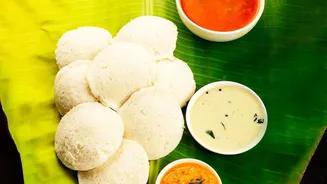
South India's beloved idli and dosa are more than just comfort food. Made from a fermented batter of rice and urad dal (black lentils), they are a powerhouse of nutrition. Fermentation not only makes them easier to digest but also increases the bioavailability of nutrients like B vitamins and iron. These steamed (idli) or lightly pan-cooked (dosa) delights are naturally probiotic, which supports gut health. When paired with sambar—a lentil and vegetable stew—the meal becomes a complete source of protein and fiber, ensuring you stay energized and focused. For an even bigger fiber boost, consider ragi (finger millet) dosa.
Thepla and Stuffed Parathas: Whole_Grain Goodness
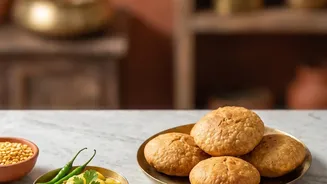
Hailing from Gujarat, thepla is a savory flatbread made from whole wheat flour (atta), gram flour (besan), and spices, often with added fenugreek (methi) leaves. Similarly, stuffed parathas made from whole wheat flour are a North Indian classic. Instead of the typical potato filling, which can be starchy, consider fillings like grated lauki (bottle gourd), dal (lentils), or paneer. The whole wheat flour provides a solid dose of insoluble fiber, which aids digestion, while the protein_rich fillings contribute to satiety.
Dal and Besan Chilla: Savory and Satisfying
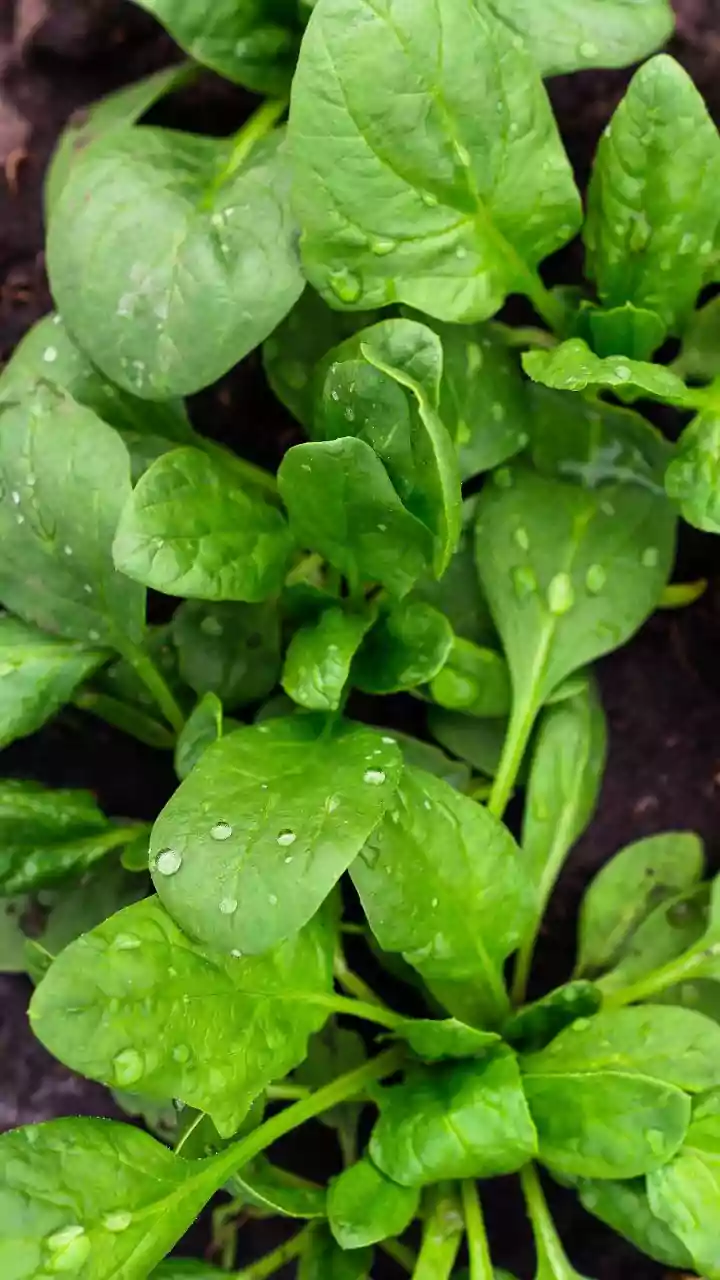
Chillas, or savory Indian pancakes, are a quick, versatile, and incredibly healthy breakfast. Made from lentil (dal) or gram flour (besan) batter, they are naturally high in both fiber and plantbased protein. A moong dal or besan chilla can be packed with finely chopped vegetables like spinach, onions, and tomatoes, further enhancing its nutritional profile. These options have a low glycemic index, meaning they release energy slowly and are excellent for blood sugar management. They are light, yet keep you full, making them an ideal choice for a productive morning.