





Choose Your Destination Wisely
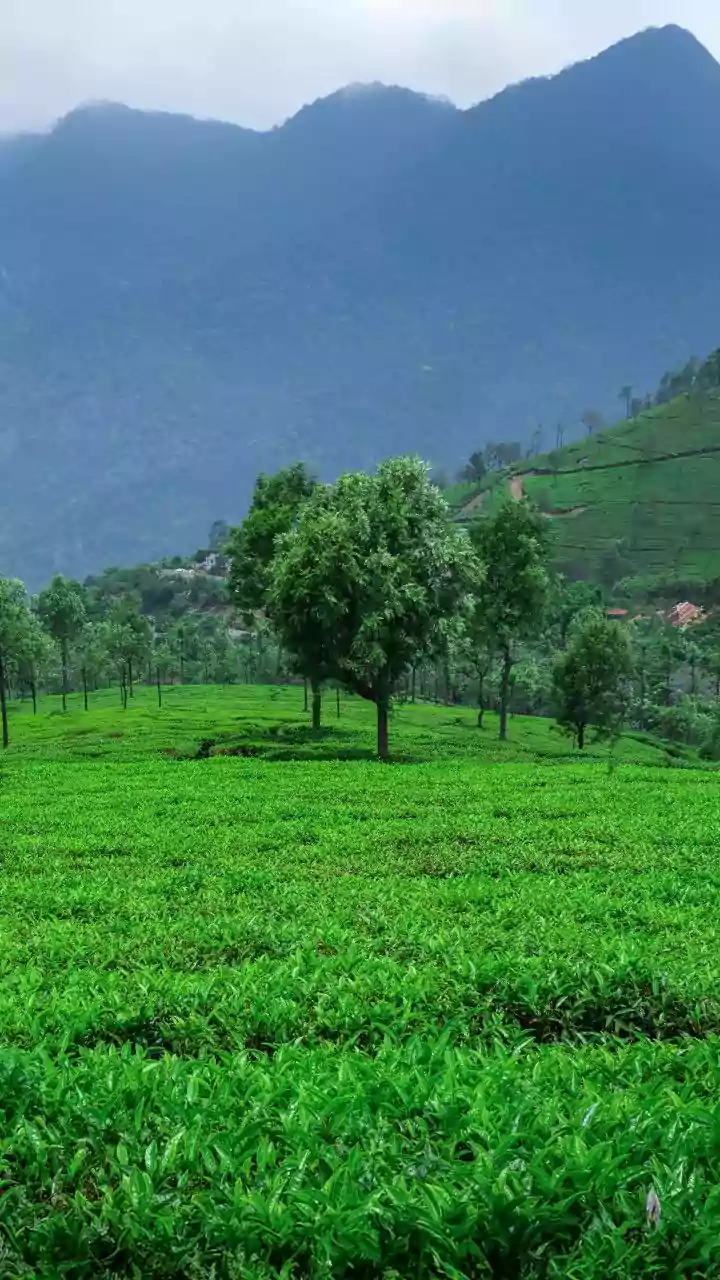
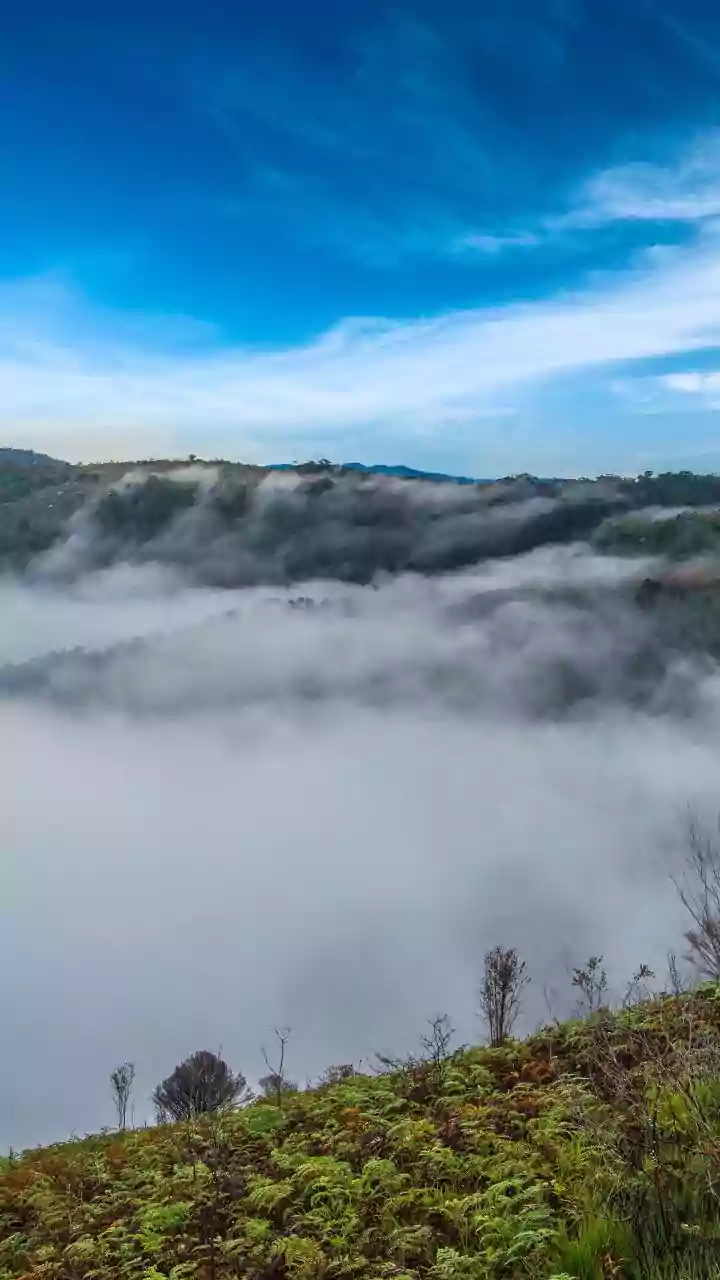
Not all destinations are created equal during the monsoon. While the Himalayan states in the north can be prone to landslides and are best avoided, other regions come alive. The Western Ghats, including destinations like Lonavala, Mahabaleshwar, and Munnar,
become breathtakingly green and are dotted with waterfalls. Similarly, Rajasthan, a state known for its desert landscape, offers a unique charm as the rain washes the dust away, revealing a surprisingly verdant side in cities like Udaipur and Bundi. Coastal destinations like Goa and Kerala offer a different experience with fewer crowds and lower prices, but be prepared for heavy downpours and rough seas.
Pack Smart, Not Heavy
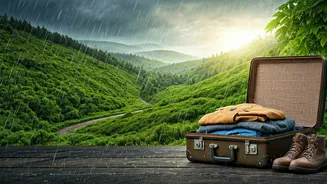
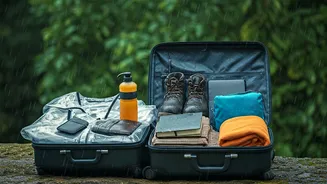
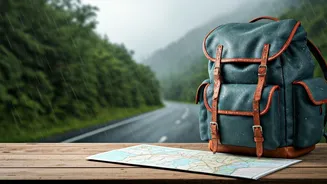
Monsoon packing is an art. The key is to prioritise materials that dry quickly. Leave your favourite cotton t-shirts and heavy jeans at home; they absorb moisture and take forever to dry in the humid air. Instead, opt for clothes made from synthetic fabrics like polyester, nylon, or rayon. A lightweight, breathable waterproof jacket is a must-have, often more practical than a bulky umbrella, which can be useless in windy conditions. Also, pack a few extra waterproof bags or even simple plastic bags to separate wet clothes from dry ones in your luggage, preventing a mouldy mess.
Prioritise Your Health and Safety
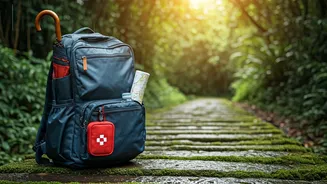
The rainy season can bring a spike in water-borne and mosquito-borne diseases. Your travel health kit should be adapted accordingly. Pack a strong insect repellent containing DEET to ward off mosquitoes, which thrive in stagnant water. It's also wise to drink only bottled, boiled, or purified water to avoid stomach ailments. Carry water purification tablets as a backup. Your first-aid kit should include antiseptic wipes, waterproof bandages, and medication for common issues like diarrhoea, fever, and colds. Eating from clean, reputable establishments and avoiding raw street food can further minimise health risks.
The Right Footwear Is Non-Negotiable
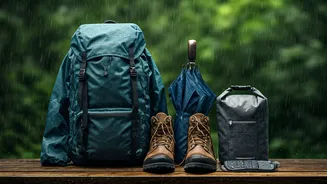
Your choice of footwear can make or break a monsoon trip. Leather shoes and canvas sneakers are a terrible idea, as they get ruined by water and take ages to dry, leading to discomfort and fungal infections. The best options are rubber-based footwear with excellent grip. Think sturdy floaters, rubber sandals, or crocs. They are waterproof, easy to clean, and dry quickly. If you plan on trekking, invest in a pair of waterproof hiking boots with deep treads to navigate slippery trails safely. It's always a good idea to pack at least two pairs of footwear so one can dry while you wear the other.
Embrace a Flexible Itinerary
Monsoon travel demands flexibility. Heavy rains can lead to flight delays, train cancellations, and road closures due to waterlogging or landslides. Trying to stick to a rigid, minute-by-minute schedule will only cause stress. Instead, build buffer days into your travel plan. Keep an eye on weather forecasts and local news updates. Having a backup plan for activities is also smart. If the downpour ruins your plan for a trek, be ready to enjoy a cosy afternoon at a local café, visit a museum, or indulge in a spa treatment. This relaxed approach is key to enjoying the unpredictable nature of the season.
Protect Your Gadgets and Documents
Water and electronics do not mix. To protect your expensive smartphone, camera, and other gadgets, invest in a few simple waterproofing solutions. Waterproof phone pouches are inexpensive and allow you to use your phone even in the rain. For cameras and other gear, a dedicated dry bag offers the best protection. At a minimum, carry a few high-quality zip-lock bags to store your phone, wallet, passport, and power bank when you're on the move. Power cuts can be more frequent during the monsoon, so a fully charged power bank is an essential part of your kit, ensuring you stay connected.