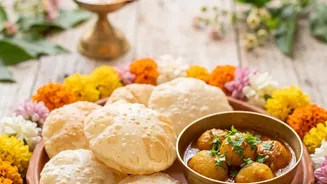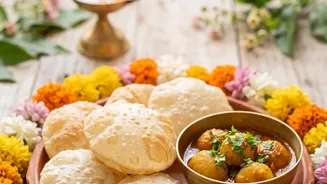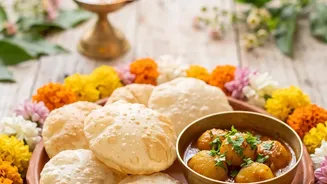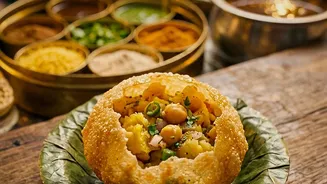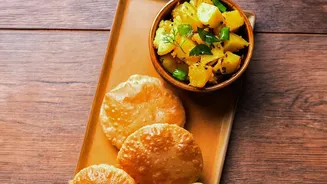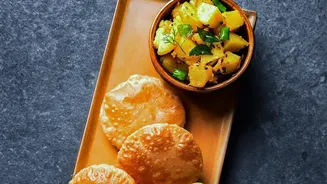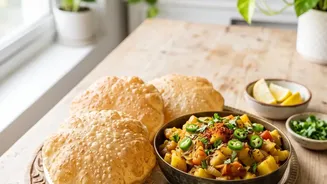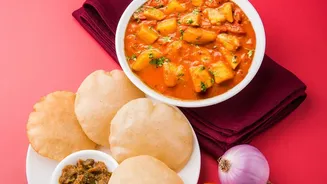


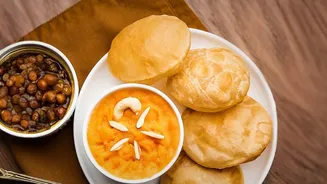
There are few sights more satisfying in Indian cuisine than a puri inflating into a perfect golden sphere. Paired with a steaming bowl of spicy sabzi, this combination is more than just a meal; it’s a cherished ritual for millions.
A Perfect Union of Crispy and Soft
At its heart, the appeal
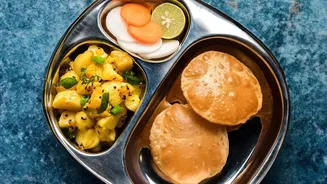
of puri sabzi lies in its delightful contrast of textures and flavours. The puri, an unleavened bread made from whole wheat flour, is deep-fried until it puffs up. A perfect puri is a minor miracle: crispy at the edges, yet soft and chewy enough to tear. It serves as the ideal vessel for the accompanying sabzi. Most often, this is a simple yet flavourful potato curry, known as aloo sabzi. Boiled potatoes are gently crushed and simmered in a gravy, which is typically tangy with tomatoes and fragrant with spices like cumin, turmeric, and coriander. The combination is elemental. The fluffy bread soaks up the savoury gravy, creating a bite that is simultaneously hearty, comforting, and utterly delicious. It’s a dish that engages all the senses, from the sizzle of the puri hitting hot oil to the aromatic steam rising from the sabzi.
A Dish with Many Faces
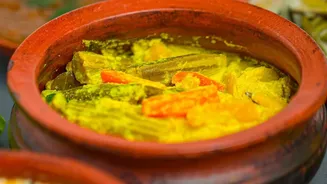
While the classic aloo puri is ubiquitous across North India, the dish is a true chameleon, adapting to the tastes and ingredients of different regions. In Uttar Pradesh and Delhi, 'Bedmi Puri' is a breakfast institution. This version is heartier, with a dough stuffed with a spiced paste of urad dal, making it a meal that can keep you going for hours. Travel east to Bengal, and you'll find the delicate 'Luchi', made with refined flour (maida) and fried in ghee, often served with a mildly spiced cholar dal (bengal gram curry). In Gujarat, 'Masala Puri' incorporates spices directly into the dough for a bolder flavour. Meanwhile, in Punjab, 'Palak Puri' adds nutritious spinach puree to the mix, giving the bread a vibrant green hue and an earthy taste. Down south, puris are often served with potato masala, vegetable kurma, or even tangy sambar, showcasing the dish's incredible versatility.
More Than Just a Meal
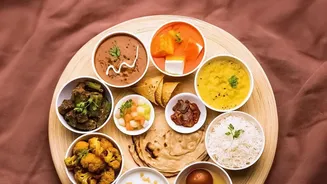
Puri sabzi is deeply woven into the cultural fabric of India, transitioning seamlessly from a humble street-side breakfast to a celebratory feast. Its history is tied to ancient Vedic traditions, where foods cooked in ghee, like puri, were considered 'pucca khaana' or pure food, fit for offerings and special occasions. This classification made it a staple for festivals and religious ceremonies. To this day, the aroma of frying puris is synonymous with celebrations like Diwali, Holi, and Ashtami. It's a dish that signifies community and togetherness, often served in large quantities at weddings and temple feasts, known as 'bhandaras'. This ritualistic importance gives the meal an emotional resonance that goes far beyond its simple ingredients.
An Enduring Breakfast Staple
Despite being a deep-fried indulgence, puri sabzi’s place as a breakfast favourite has never waned. It is a common sight at roadside stalls and bustling local eateries, where it is served hot and fresh to people from all walks of life. For many, it is an affordable and deeply satisfying start to the day. The experience of eating puri sabzi on the street—watching the vendor expertly roll and fry the puris, served steaming on a plate—is a quintessential part of Indian food culture. While it might not be an everyday breakfast for health-conscious modern households, it remains the undisputed king of the special occasion breakfast. It represents a comforting taste of tradition, a connection to family recipes, and a celebration of simple, well-made food.