

The Golden Rule: Drainage is Everything
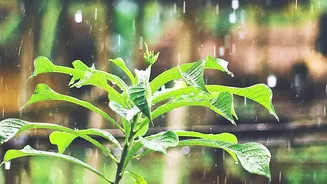
The single biggest threat to your potted plants during the monsoon is waterlogging. When roots sit in soggy soil, they are starved of oxygen, which can lead to root rot—a condition that is often noticed only after it's too late. Before the heavy showers
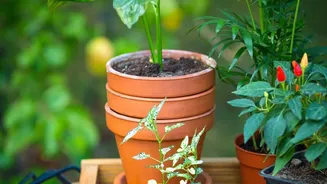
begin, ensure every pot has clear, unobstructed drainage holes. A great practice is to elevate your pots on bricks or 'pot feet'. This simple step allows excess water to escape freely and prevents the pot from sitting in a puddle on your balcony floor. Never let a pot sit in a water-filled saucer; empty it immediately after it rains.
Get Your Soil Mix Right
Monsoon gardening is less about watering and more about managing excess moisture. Heavy garden soil tends to become compact and dense when wet, suffocating the roots. To counter this, create a light, well-aerated potting mix. A good combination for herbs is an equal mix of regular garden soil, compost for nutrients, and something to improve drainage, like coco-peat or sand. This lighter mix ensures that even after a downpour, water drains through efficiently, keeping the roots healthy and providing them with the oxygen they need to breathe.
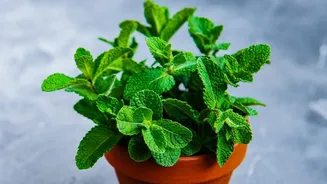
Tips for Mighty Mint (Pudina)
Mint is famous for its vigorous growth and loves water, making it a great monsoon plant. However, it despises being waterlogged. During the rains, its fast-spreading runners can quickly fill a pot, leading to root congestion. Always plant mint in its own container to prevent it from taking over. The rainy season is an excellent time to prune your mint regularly. Pinching off the top stems encourages the plant to grow bushier and fuller, rather than tall and spindly. It also improves air circulation around the leaves, which helps prevent fungal issues. Plus, it means more fresh pudina for your chai and chutneys.
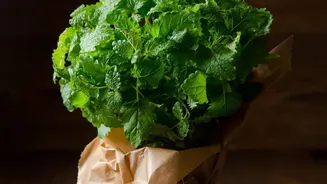
Caring for Your Basil (Tulsi and Italian)
Basil, whether it's the sacred Tulsi or the sweet Italian variety, is more sensitive to the dampness of the monsoon. These plants are particularly susceptible to fungal diseases and root rot when humidity is high. The key is to ensure good air circulation. If your plants are growing too dense, don’t be afraid to prune some of the inner leaves and stems. Always check the soil before watering; only add water if the top inch feels dry to the touch. During continuous rain, you may not need to water it at all. Position your basil pot where it gets bright, indirect light but is sheltered from the heaviest downpours.
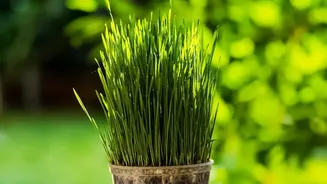
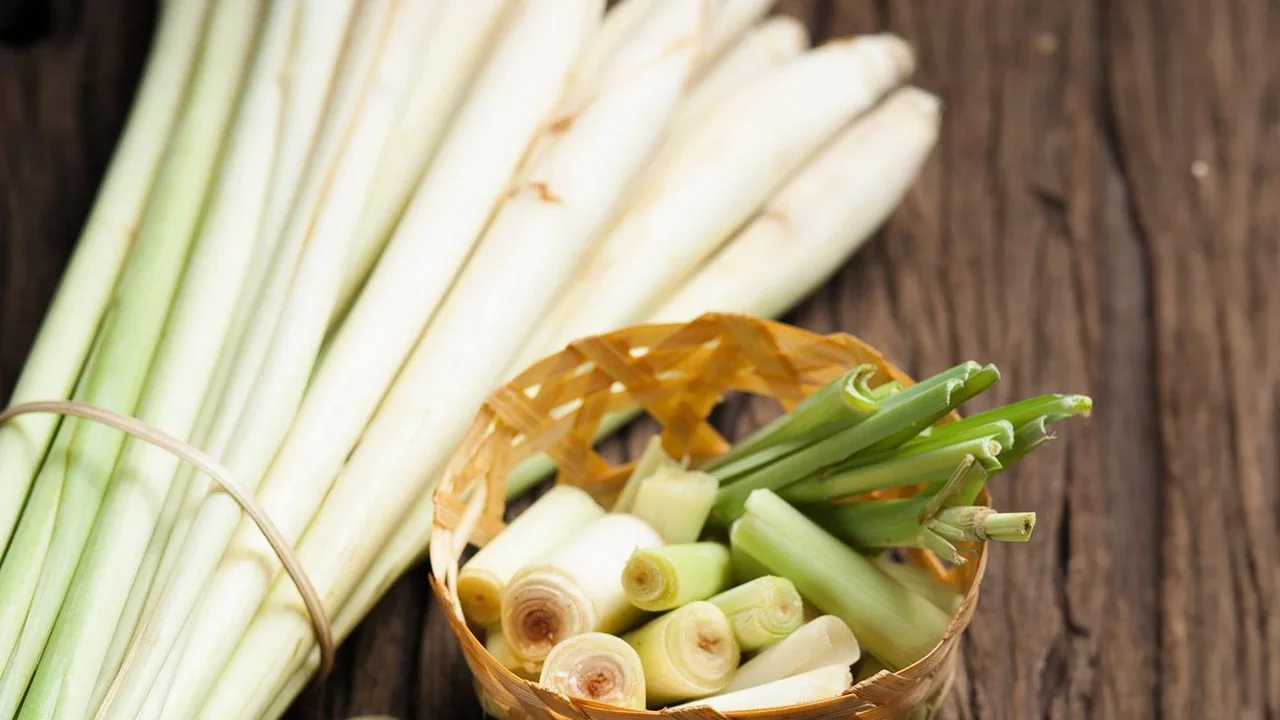
Growing Lush Lemongrass
Lemongrass is a hardy, tropical grass that generally enjoys the monsoon conditions. However, even this tough plant needs good drainage to prevent its roots from rotting in a pot. Choose a relatively large container—at least a 5-gallon pot—to accommodate its growing root system. While it loves moisture, avoid letting the pot sit in waterlogged soil. Place it in the sunniest part of your balcony, as lemongrass needs at least six hours of light to produce flavourful, thick stalks. You can harvest the outer stalks once the plant is well-established, cutting them at the base to encourage new growth.
Monsoon Pest and Disease Patrol
The damp, humid weather is a perfect breeding ground for pests like aphids, mealybugs, snails, and slugs. Fungal diseases also thrive in these conditions. Inspect your plants regularly, especially the undersides of leaves, for any signs of trouble. Removing yellowing or diseased leaves promptly can stop problems from spreading. For a safe and organic solution, a simple spray made from neem oil, a few drops of liquid soap, and water can be used weekly as a preventive measure against many common pests and fungal issues.