






Exploring your kitchen pantry for skincare solutions is a timeless tradition. This simple DIY face mask recipe combines the goodness of masoor dal (red lentil), honey, and lemon for a treatment that aims to exfoliate and brighten your skin.
The Power of Masoor Dal
Masoor dal,
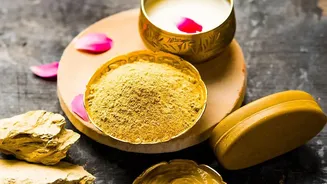
or red lentil, is more than just a staple food in Indian households; it's a celebrated ingredient in traditional skincare. When ground into a powder or paste, its slightly coarse texture makes it an excellent natural exfoliant. This gentle scrubbing action helps to slough away dead skin cells, dirt, and impurities from the surface of the skin. By clearing away this dull layer, masoor dal can help reveal a fresher, smoother complexion and may improve overall skin texture with regular use. Rich in nutrients like proteins, vitamins, and minerals, it is believed to nourish the skin, combat free radicals, and potentially help in reducing tan and managing excess oil.
Honey: Nature's Humectant and Healer
Raw, unpasteurized honey is prized in skincare for its multiple benefits. Its primary role is as a humectant, meaning it draws moisture from the air and binds it to the skin, providing a hydrating and plumping effect. This makes skin feel soft and look dewy. Furthermore, honey possesses natural antibacterial and anti-inflammatory properties. These qualities can help soothe irritated skin and may be beneficial for managing minor breakouts by keeping acne-causing bacteria in check. While it won't drastically lighten skin, its mild exfoliating properties can help remove dead cells, contributing to a brighter overall appearance.
The Double-Edged Sword of Lemon
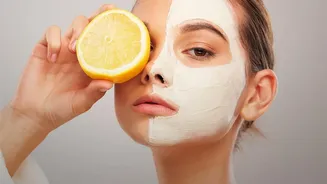
Lemon is often included in DIY remedies for its vitamin C and citric acid content, which can act as a natural astringent to control oil and offer a temporary brightening effect. However, it must be used with extreme caution. Lemon juice is highly acidic, with a pH that can disrupt your skin's natural barrier, leading to irritation, redness, and dryness. The most significant risk is phytophotodermatitis, a serious skin reaction that occurs when chemicals in citrus juice are exposed to sunlight, potentially causing burns and long-lasting hyperpigmentation. For these reasons, it's crucial to dilute lemon juice heavily, always perform a patch test, and never expose your skin to the sun after application.
DIY Mask Recipe and Preparation
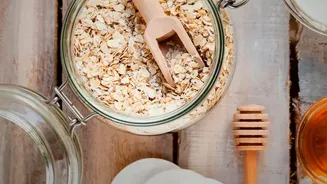
To create this mask, you will need a few simple ingredients. Start with two tablespoons of masoor dal, either pre_ground into a fine powder or soaked in water for a few hours and then blended into a smooth paste. Next, add one tablespoon of raw honey. Finally, add just a few drops—no more than half a teaspoon—of freshly squeezed lemon juice. Combine all the ingredients in a clean bowl and mix thoroughly until you achieve a consistent, spreadable paste. If the mixture is too thick, you can add a small amount of water or rose water to reach the desired consistency.
How to Apply and Remove
Before applying the mask to your entire face, it is essential to conduct a patch test. Apply a small amount to your inner arm or jawline and wait for at least 24 hours to check for any signs of irritation or allergic reaction. If your skin shows no adverse reaction, you can proceed. Start with a clean, dry face. Using your fingertips or a clean brush, apply a thin, even layer of the mask, avoiding the delicate areas around your eyes and mouth. Let the mask sit for about 15 minutes, but do not let it dry completely to the point of cracking. To remove, splash your face with lukewarm water to soften the mask, then gently massage in circular motions for a final exfoliating boost before rinsing it all off. Pat your skin dry with a soft towel and follow up with your favourite moisturiser.
Key Precautions to Remember
The inclusion of lemon juice makes aftercare extremely important. Avoid any sun exposure immediately after using this mask, as it significantly increases your skin's photosensitivity. It is best to use this treatment in the evening. This mask is not recommended for those with sensitive, dry, or compromised skin, as both the physical exfoliation from the dal and the acidity of the lemon can cause irritation. If you experience any stinging, burning, or discomfort while the mask is on, wash it off immediately. Limiting use to once a week is a sensible approach to avoid overexfoliating your skin.