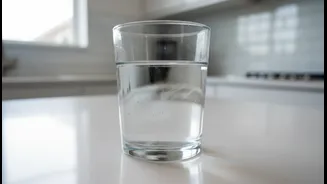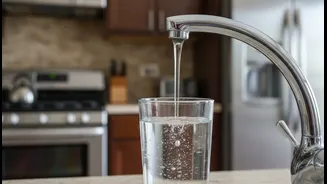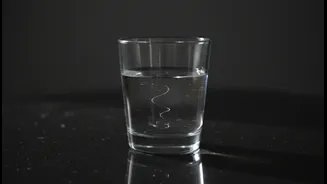



The Dangerous Illusion of Clarity
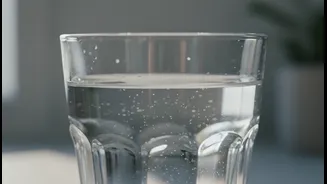
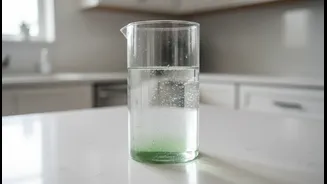
For generations, we have relied on our senses to judge the safety of water. If it looks, smells, and tastes clean, we believe it is safe to drink. While this may have been a reasonable guideline in the past, it is no longer reliable. Modern contamination
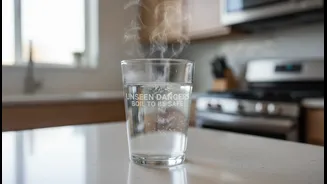
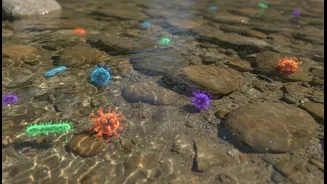
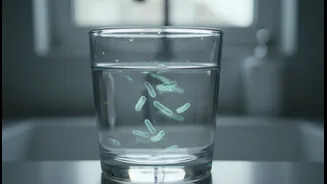
is often invisible. Water that appears pristine can be a silent carrier of microscopic organisms like bacteria, viruses, and protozoa, as well as dissolved chemical contaminants like heavy metals and pesticides. These invisible threats are a leading cause of waterborne diseases in India, responsible for a significant percentage of communicable illnesses across the country. The journey of water from a treatment plant to our taps is long and fraught with potential points of contamination, including old, leaky pipes and unclean storage tanks, making disinfection at home a critical final step.
Invisible Enemies: What's Hiding in Your Water?
The list of contaminants that can thrive in clear water is alarming. Pathogens such as Salmonella Typhi (causing Typhoid), Vibrio cholerae (causing Cholera), Hepatitis A virus, and parasites like Giardia and Cryptosporidium are widespread. These can lead to severe illnesses like high fever, debilitating diarrhoea, jaundice, and extreme dehydration. Beyond microbiological threats, chemical contamination is a growing concern. Industrial and agricultural runoff can introduce heavy metals like lead and arsenic, as well as nitrates and pesticides, into groundwater sources. These substances are tasteless and odourless but can accumulate in the body over time, potentially causing cancer, kidney damage, and developmental issues, especially in children. Boiling water, a common practice, is effective against most pathogens but does nothing to remove these dissolved chemical threats.
Why Our Brains Ignore the Risk
If the dangers are so real, why do we continue to trust our eyes over scientific evidence? The answer lies in human psychology and cognitive biases. Our brains are wired to react to immediate, tangible threats—a bad smell, a strange colour, a foul taste. These are strong sensory signals of danger. An invisible, abstract threat like a microscopic virus or a dissolved chemical doesn't trigger the same urgent response. This is a form of 'confirmation bias,' where we seek evidence that confirms our belief (the water looks safe) and ignore evidence to the contrary (the unseen risks). Furthermore, because the negative effects of some contaminants are not immediate and develop over years, we fail to connect the cause (drinking the water) with the effect (long-term illness). This creates a dangerous cycle of complacency, where the lack of immediate sickness reinforces the belief that the water is safe.
From Complacency to Action: A Guide to Home Disinfection
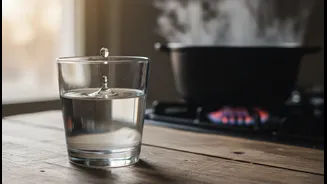
Breaking this cycle requires conscious effort and establishing a routine. Fortunately, several effective methods are available for Indian households. Boiling remains a simple and highly effective way to kill bacteria, viruses, and parasites, and is recommended by the World Health Organization. For more comprehensive protection, especially against dissolved impurities and heavy metals, modern water purifiers are a trusted option. Reverse Osmosis (RO) systems are excellent at removing heavy metals and dissolved salts, while Ultraviolet (UV) purifiers are great for inactivating microbes without using chemicals. Gravity-based filters and chemical disinfectants like chlorine tablets can also be effective, particularly in areas with intermittent electricity or for emergency use. The key is to choose a method that suits your water source and consistently use it for all drinking and cooking purposes.