








The Shifting Cost Equation
For years, the dream was affordable air travel for all. Today, that dream often feels distant. Domestic airfares in India have become notoriously expensive due to a combination of factors. High taxes on Aviation Turbine Fuel (ATF), which can make up nearly
45% of a ticket's cost, are a primary driver. This is coupled with a reduction in competition after some airlines ceased operations, allowing major carriers to dominate routes and keep prices high, especially for last-minute bookings. In contrast, Indian Railways offers a far more stable and budget-friendly pricing structure. Even premium AC class tickets on trains like the Rajdhani or Shatabdi are often significantly cheaper than a comparable flight. For short-to-medium distances, a Third AC train ticket can cost a fraction of a budget airline fare, making the financial argument for choosing the train compelling.
A New Era of Comfort and Convenience
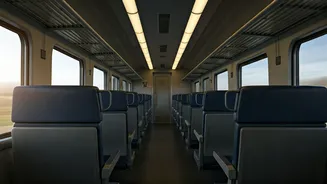
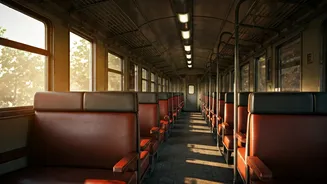
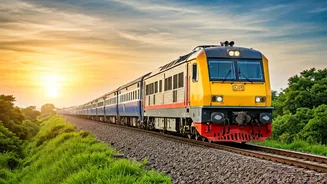
The perception of Indian train travel is rapidly changing, moving away from images of crowded, delayed journeys. Indian Railways is undergoing a significant modernization. The introduction of semi-high-speed trains like the Vande Bharat and Tejas Express has been a game-changer. These trains offer airline-style amenities such as reclining seats, onboard Wi-Fi, modern bio-toilets, and premium catering services, all while running at impressive speeds with high punctuality records on key routes. Even beyond these premium services, there's a renewed focus on cleanliness, safety, and passenger experience across the network. The recent rollout of Vande Bharat Sleeper trains for long-distance overnight routes promises further upgrades, with modern interiors, enhanced berth comfort, and enclosed cabins for more privacy, directly competing with flights on comfort for overnight travel.
More Than Just Saving Money
The renewed appeal of train travel goes beyond the ticket price. The overall experience is often less stressful. Forget arriving at the airport two hours early for long check-in and security queues. Train stations are typically located in city centres, making them easier and cheaper to get to than airports, which are often on the outskirts. Then there's the luggage. While airlines impose strict limits and charge exorbitant fees for extra baggage, trains offer a much more generous allowance, a significant advantage for families or those on longer trips. You also save on the high cost of airport food and can even order meals from local restaurants to be delivered to your seat at the next station.
The Journey Becomes the Destination
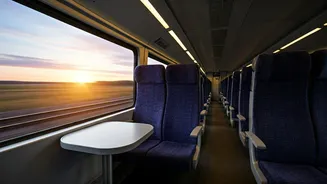
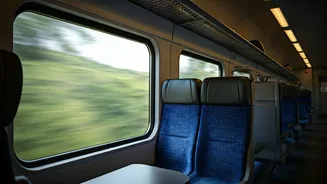
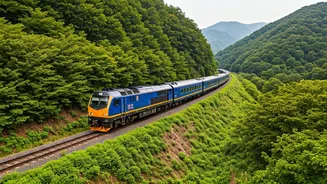
In a world that’s always rushing, the slower pace of a train journey has a unique charm. Unlike flying, where the view is mostly clouds, train windows offer a front-row seat to India’s diverse and stunning landscapes. From lush green fields and winding mountain passes to coastal routes that run alongside the sea, the journey itself becomes a memorable part of the vacation. There's a social element too; a long train ride provides an opportunity to interact with fellow travellers, share stories, and get a feel for the country that you simply can't experience at 30,000 feet. This immersive experience is something many modern travellers are actively seeking, turning away from the purely functional nature of air travel.