





1. Understand Biological Age
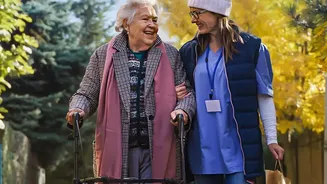
First, it's crucial to distinguish between chronological age (the years on your birthday cake) and biological age. Biological age reflects the health of your cells and body systems. Unlike your birthdate, this age is flexible and heavily influenced by
your daily habits, from what you eat to how you move. Studies show that lifestyle choices can have a greater impact on your biological age than genetics, making it a powerful target for improving long-term health. The goal isn't to literally turn back time, but to lower your biological age to improve your healthspan—the number of years you live in good health.
2. Embrace a Plant-Forward Diet
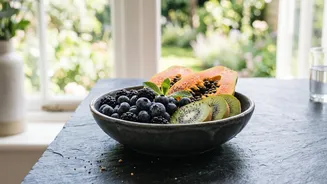
What you eat has a direct line to your cellular health. Diets rich in fruits, vegetables, whole grains, and healthy fats, like the Mediterranean diet, are consistently linked to healthier ageing. These foods are packed with antioxidants and anti-inflammatory compounds that protect your body from oxidative stress, a key driver of ageing. You don't need to be perfect; focus on consistently eating more whole foods and limiting ultra-processed items, sugary drinks, and excessive red meat.
3. Make Movement a Daily Ritual
Regular physical activity is one of the most potent tools for slowing the ageing process. The recommendation is at least 150 minutes of moderate-intensity aerobic activity per week, but you don't have to live in the gym. Even walking, gardening, or dancing counts. The key is consistency. Research on cellular ageing has found a significant gap between the biological ages of active and sedentary adults, highlighting that daily movement is non-negotiable for maintaining muscle, mobility, and heart health.
4. Prioritise Strength and Balance
After age 30, adults can lose a significant percentage of their muscle mass each decade if they don't actively work to maintain it. Strength training, even using bodyweight or resistance bands, is vital for preserving muscle, which supports your metabolism, protects your bones, and reduces the risk of falls. Incorporating balance exercises also becomes increasingly important as we age to maintain independence and prevent serious injury.
5. Master Your Sleep
Sleep is not a luxury; it is a biological necessity. It's when your body performs critical repair and maintenance functions. Chronic poor sleep is linked to faster biological ageing and an increased risk for numerous diseases. Aim for seven to nine hours of quality sleep per night. Maintaining a regular sleep schedule, even on weekends, helps regulate your body's internal clock and improves overall health more than many people realise.
6. Manage Chronic Stress
Chronic stress accelerates cellular ageing. When you're constantly stressed, your body is flooded with hormones that raise blood pressure and heart rate, which can be damaging over time. Finding healthy ways to manage stress is crucial. Practices like meditation, deep breathing exercises, yoga, or even taking a short walk can help mitigate the physiological damage of stress and have been shown to support DNA repair.
7. Nurture Your Social Connections
Staying connected to family, friends, and your community is a surprisingly powerful factor in healthy ageing. Strong social ties provide emotional support, reduce feelings of isolation, and can have a positive, measurable impact on your physical health and longevity. Research shows that maintaining a strong social network contributes to a sense of belonging and well-being, which are key components of a long, healthy life.
8. Keep Your Mind Active
Just as your body needs exercise, so does your brain. Engaging in mentally stimulating activities helps maintain cognitive function, including memory and problem-solving skills. This doesn't require formal classes or complicated brain-training games. Reading, learning a new skill, doing puzzles, or exploring new hobbies are all excellent ways to challenge your brain and build cognitive resilience as you age.
9. Protect Your Skin
Much of what we consider to be 'looking old' is actually sun damage. UV exposure is responsible for the vast majority of visible facial ageing, including wrinkles and pigmentation. The single most evidence-backed anti-ageing product is not a fancy cream but a daily broad-spectrum sunscreen with an SPF of 30 or higher. It's a simple, preventative habit that makes a huge long-term difference.
10. Find Your Purpose
Having a strong sense of purpose, known in some cultures as 'ikigai' or a 'reason for being', is consistently linked to a reduced risk of mortality. Whether it's through volunteering, a hobby, part-time work after retirement, or caring for family, activities that give your life meaning can significantly support your health and well-being. This sense of purpose contributes to a positive mindset and overall life satisfaction, which are powerful ingredients for longevity.