



A Human-Centric Rebellion
At its core, the move toward craftsmanship is a reaction against the sterile, impersonal environments that have long defined corporate life. In a world of digital interfaces and mass production, there's a growing desire for authenticity and a tangible
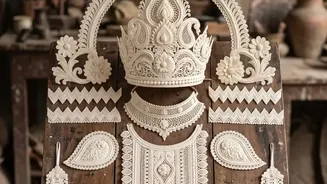
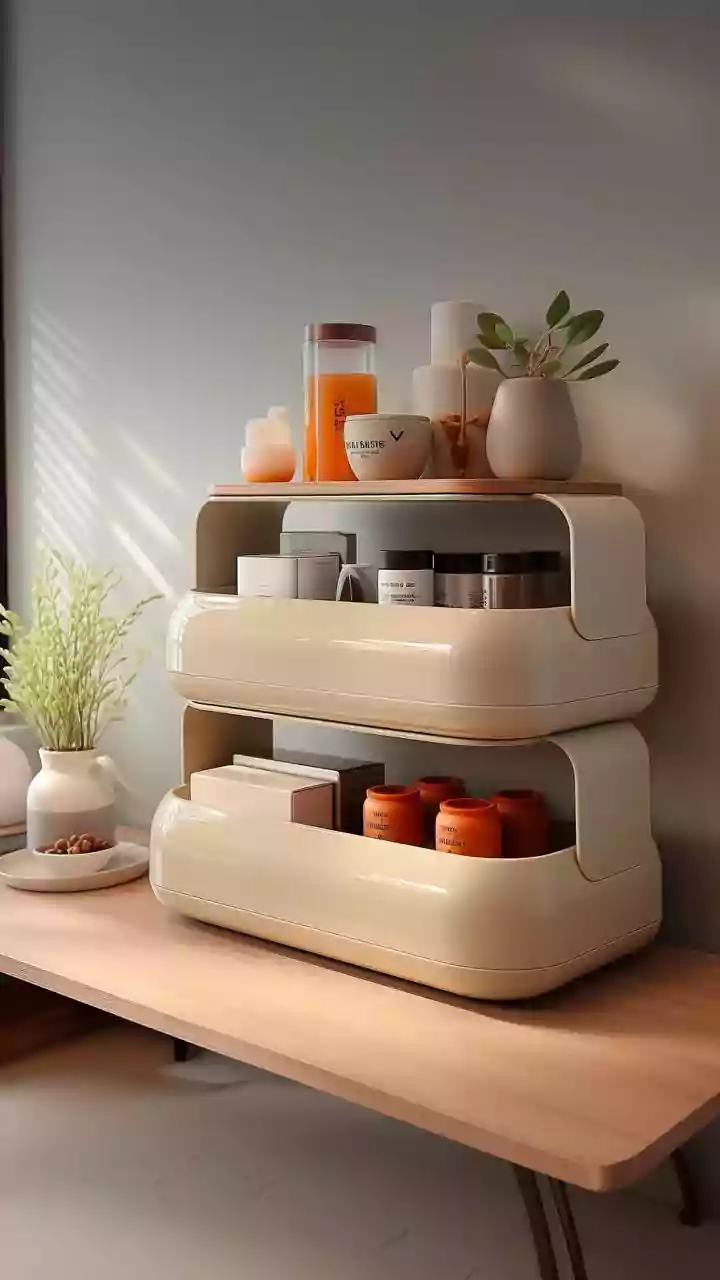
human touch. Hand-carved wood, hand-thrown ceramics, or custom metalwork inject a sense of story and personality into a space that a factory-made desk cannot. These elements serve as a quiet rebellion against the 'one-size-fits-all' model, creating spaces that feel grounded and unique. The imperfections and variations in handcrafted items remind us of the human effort and skill involved, fostering a deeper connection to our surroundings in an increasingly automated world. This is not just about aesthetics; it's about creating environments where people genuinely want to be.
The Rise of 'Resimercial' Design
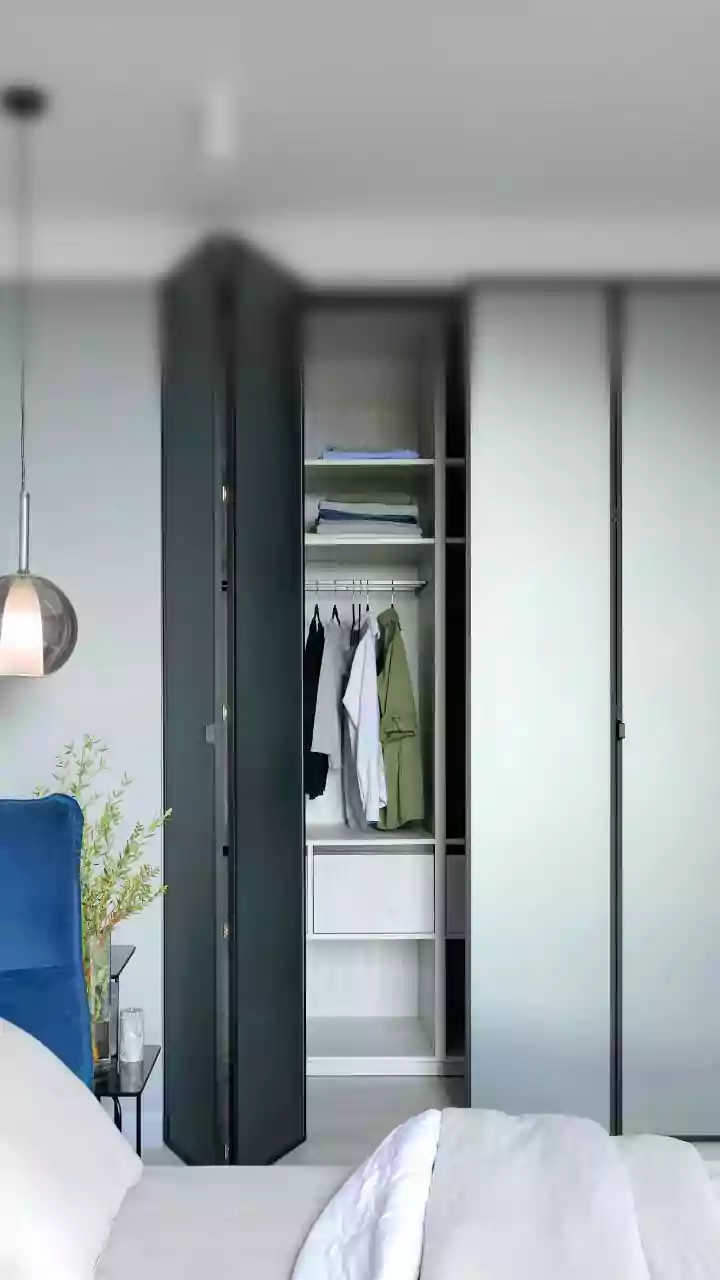
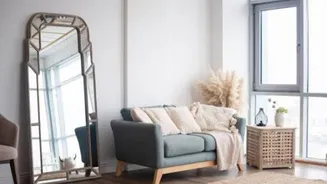
A key driver of this trend is the 'resimercial' movement, a blend of residential and commercial design. As hybrid work models became permanent fixtures, the line between home and office blurred. Companies now compete with the comfort of employees' homes and must create office environments that are worth the commute. Resimercial design answers by swapping cold, utilitarian furniture for plush seating, warm lighting, and soft textiles that evoke a sense of coziness and welcome. The goal is to make the workplace feel less like an institution and more like an inviting, comfortable space that supports well-being and creativity. This shift acknowledges that comfortable employees are often happier, more engaged, and more productive.
Well-being and Biophilic Principles
Craftsmanship often goes hand-in-hand with natural materials like wood, stone, wool, and linen, which are central to biophilic design. Biophilia is the idea that humans have an innate need to connect with nature, and incorporating natural elements into the workplace has proven benefits. Studies show that access to natural materials and patterns can reduce stress, improve focus, boost creativity, and increase overall well-being. The tactile nature of a reclaimed wood desk, the organic texture of a stone wall, or the presence of natural textiles can lower stress hormones and create a calming atmosphere. By choosing handcrafted, natural elements, companies are investing in spaces that actively support the mental and physical health of their employees.
Storytelling and Brand Identity
Beyond employee wellness, craftsmanship is a powerful tool for corporate storytelling. The design of an office is a physical manifestation of a company's values. Opting for artisan-made pieces over mass-produced items can communicate a commitment to quality, longevity, and attention to detail. It can also signal a connection to local culture and community by showcasing the work of regional artists and makers. This adds a layer of depth and meaning to the brand identity, transforming the office from a simple workspace into a curated experience. These unique pieces carry stories of their own—about their materials, their maker, and their cultural traditions—that enrich the company's narrative.