





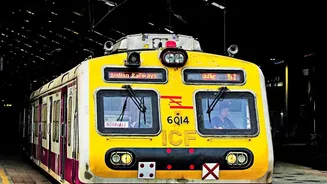
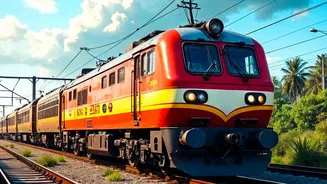
Understanding the Pune Predicament
For the daily commuter and long-distance traveller in Pune, the limitations of the city's main railway station are all too familiar. As a critical junction connecting North and South India, Pune Station is saturated. Every train passing through, originating,
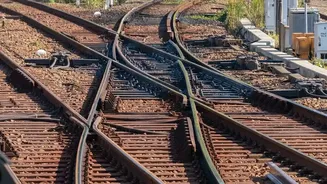
or terminating here adds to the congestion on the tracks and platforms. This operational ceiling has made it difficult for Indian Railways to introduce new trains or increase the frequency of existing ones, effectively capping the city's connectivity potential despite burgeoning demand from its growing population and economic activity. Any new service announcement often comes with the caveat of complex scheduling gymnastics, highlighting the urgent need for a fundamental capacity upgrade.
The Bypass Strategy: A Link Around the City
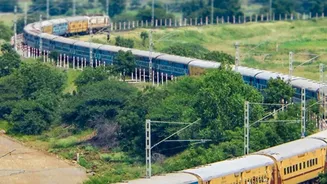
A key part of the solution isn't to force more through the bottleneck, but to go around it. This is where the concept of a 'sleeper link' or, more officially, a bypass line comes into play. The most significant of these is the proposed Talegaon-Uruli Kanchan bypass. This new line would create a corridor around the southern and eastern edges of Pune. Its primary purpose would be to divert goods trains and long-distance passenger trains that do not need to halt at Pune Station. By rerouting this 'pass-through' traffic, valuable slots would be freed up at the main station. This would allow for more services originating from Pune and cater to the local passenger base directly. A similar, smaller-scale upgrade is the doubling of the Daund Chord Line, which will also help in speeding up transit and reducing crossing-related halts for trains on the Pune-Manmad route.
New Hubs to Disperse the Load
Alleviating pressure on the central station also involves creating new points of origin and termination. To this end, Indian Railways is investing in developing satellite terminals at strategic locations. Plans are underway for modern railway terminals at Uruli Kanchan and Alandi. These facilities will be equipped to handle dozens of trains daily, serving as state-of-the-art hubs for starting and ending journeys. For passengers, this means that instead of every major train journey beginning or ending at the crowded Pune Junction, new services could operate from these more accessible suburban terminals. This decentralisation is crucial for handling future growth and making the rail network more resilient.
The Dawn of Modern Overnight Travel
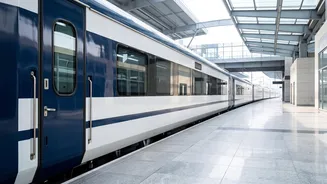
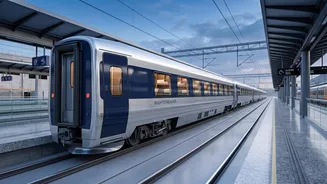
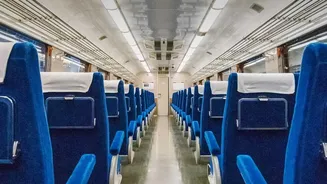
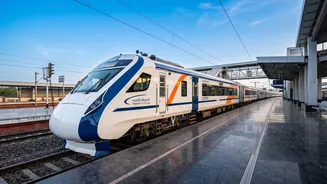
The increase in network capacity directly enables the introduction of better services. The much-anticipated Vande Bharat sleeper trains are a prime example. With proposals for services connecting Pune with key destinations like Bengaluru and Delhi, these trains represent a significant upgrade in overnight travel. These sleeper services promise faster journey times—cutting the Pune to Bengaluru trip by several hours, for instance—and a more comfortable passenger experience. The introduction of these modern sleeper trains is a direct payoff from the larger infrastructure overhaul, providing Pune passengers with tangible new and improved choices for intercity journeys.
Navigating the Road Ahead
While the vision for Pune's railway future is ambitious, it is not without its challenges. Large-scale infrastructure projects invariably face hurdles, and the Pune bypass line is no exception. There has been notable opposition from residents in over a dozen villages along the proposed Talegaon-Uruli Kanchan route, primarily concerning land acquisition for the project. Farmers and homeowners in the path of the new line have raised concerns about displacement and the impact on their livelihoods. Balancing developmental goals with the needs of the local population will be a critical task for authorities as they move forward. Successfully navigating these issues will be key to ensuring these vital infrastructure projects are completed, unlocking the full potential of Pune's rail network.