





The Unsung Hero of Indian Pulses
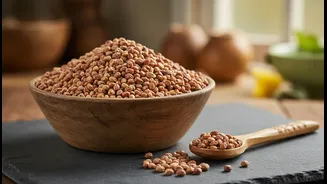
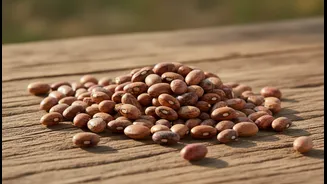
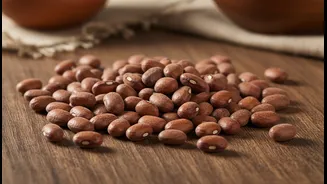
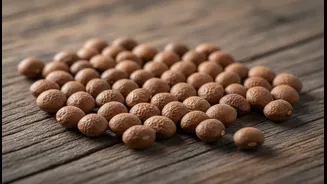
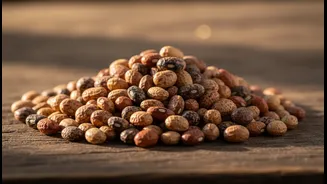
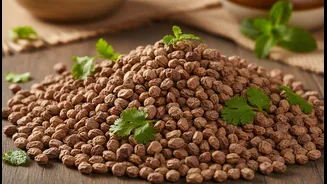
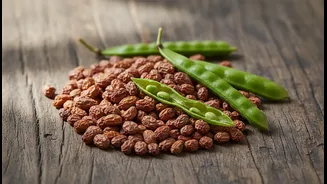
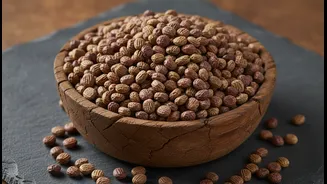
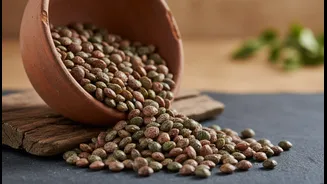
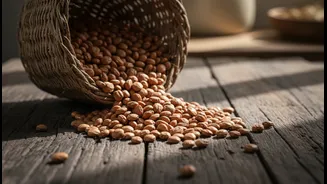
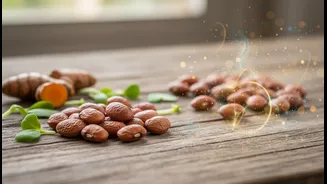
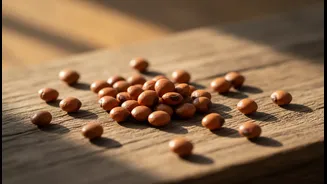
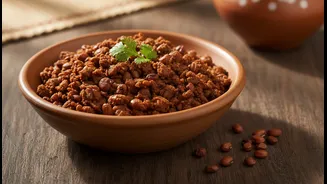
Known as kulthi in Hindi, kollu in Tamil, and ulavalu in Telugu, horse gram (Macrotyloma uniflorum) is a small, reddish-brown lentil that has been a staple in rural and regional Indian diets for centuries. Historically used as high-energy feed for horses
and cattle, its name belies its incredible value for human consumption. This hardy crop thrives in dry, tough conditions where other plants might fail, making it a sustainable and reliable food source. It possesses a distinct, earthy flavour and a dense texture that sets it apart from more common dals like toor or moong, lending a hearty and robust character to any dish it graces.
A Nutritional Powerhouse
Don't let its small size fool you; horse gram is a nutritional giant. It is one of the richest vegetarian sources of protein, with about 22-25 grams of protein per 100 grams of dry seeds. It also boasts the highest calcium content among all pulses and is packed with iron, phosphorus, and dietary fibre. This impressive profile makes it an excellent choice for vegetarians, athletes, and anyone looking to boost their nutrient intake naturally. The high fibre content aids digestion, promotes satiety to help with weight management, and can help in managing blood sugar levels. Additionally, horse gram is rich in antioxidants like polyphenols, which help combat oxidative stress in the body.
An Affordable and Practical Choice
In an era of expensive superfoods, horse gram stands out as a budget-friendly powerhouse. Its affordability has historically made it a cornerstone of wholesome, filling meals in countless Indian households. As a plant-based protein, it provides a cost-effective alternative to meat and dairy, helping families meet their nutritional needs without straining their finances. This makes it not just a healthy choice, but a practical one for everyday cooking, aligning perfectly with a conscious and economical approach to eating well.
Your Guide to Cooking Kulthi
Preparing horse gram requires a little patience, but the results are well worth it. Due to its tough exterior, soaking is a crucial step. For best results, rinse the lentils thoroughly and soak them in ample water overnight, or for at least 8 hours. This not only softens the pulse and reduces cooking time but also helps make its nutrients more bioavailable and reduces anti-nutrients like phytic acid. The most efficient way to cook horse gram is in a pressure cooker. After soaking, drain the water, add fresh water, and pressure cook for about 30-40 minutes or until the beans are tender and can be mashed easily between your fingers. The cooked lentil holds its shape well, unlike other dals that turn mushy.
From Rustic Soups to Modern Salads
The versatility of horse gram allows it to be used in a variety of dishes. One of the most popular preparations is a simple Kulthi Dal or a South Indian-style rasam, where the flavorful stock from the boiled lentils is seasoned with tamarind, garlic, and spices. The cooked beans can be used to make hearty curries, similar to a rajma masala. For a healthier twist, you can sprout the horse gram and add it to salads for a crunchy, nutrient-dense boost. The lentils can also be roasted and ground into a flour, which can then be used to make rotis, dosas, or as a thickener for soups and stews.
Traditional Wisdom and Modern Wellness
In Ayurveda, horse gram is considered a 'heating' food, traditionally used to treat ailments like the common cold, coughs, and fever. It has also been traditionally used as a diuretic and is reputed to help in preventing and managing kidney stones. The soup made from its stock is a classic remedy for sore throats and congestion in many Indian homes. While these traditional uses highlight its long-standing role in wellness, it is important to remember that it is a food, not a medicine. Incorporating it into a balanced diet is a great way to reap its benefits.