
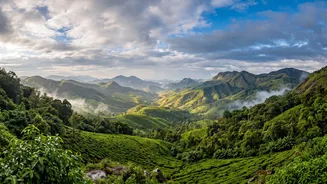
Understanding September’s Weather
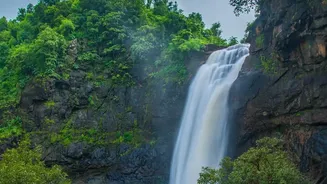
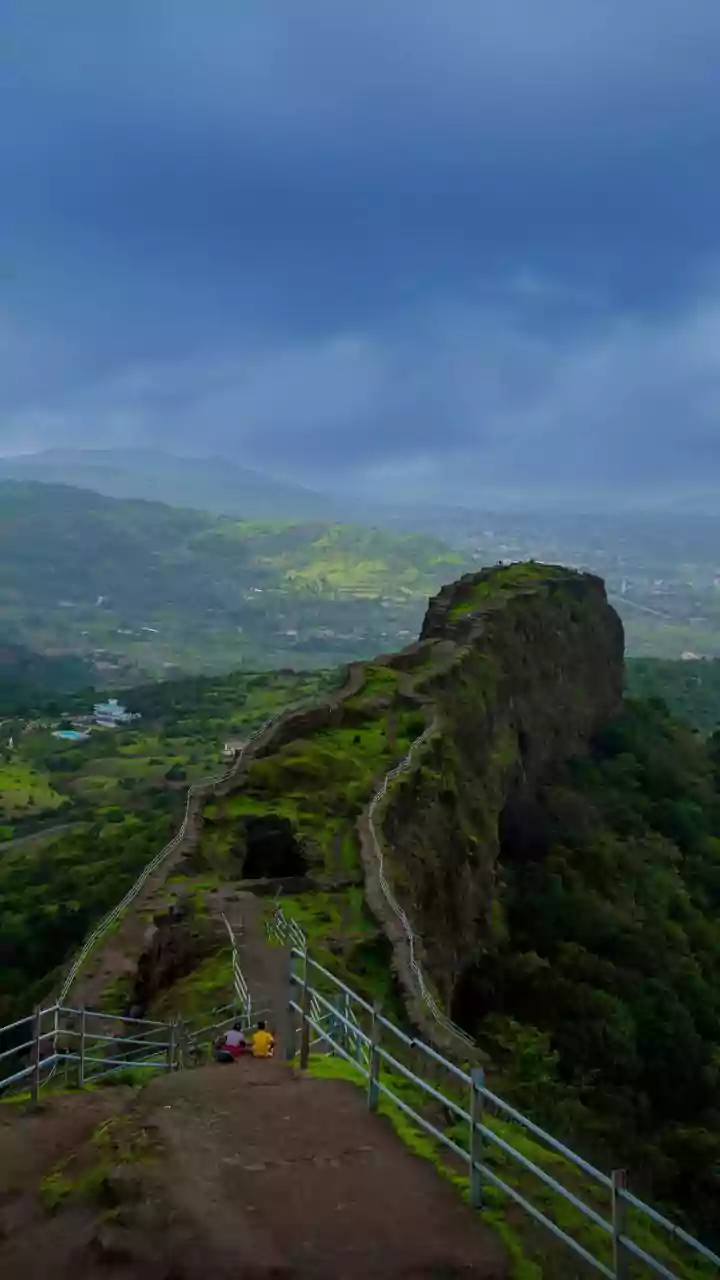
September marks the retreat of the southwest monsoon across most of India. While the heaviest downpours of July and August are typically over, the weather remains famously unpredictable. You might experience glorious sunny days, but you should also be prepared
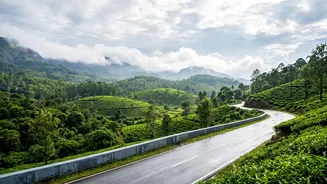
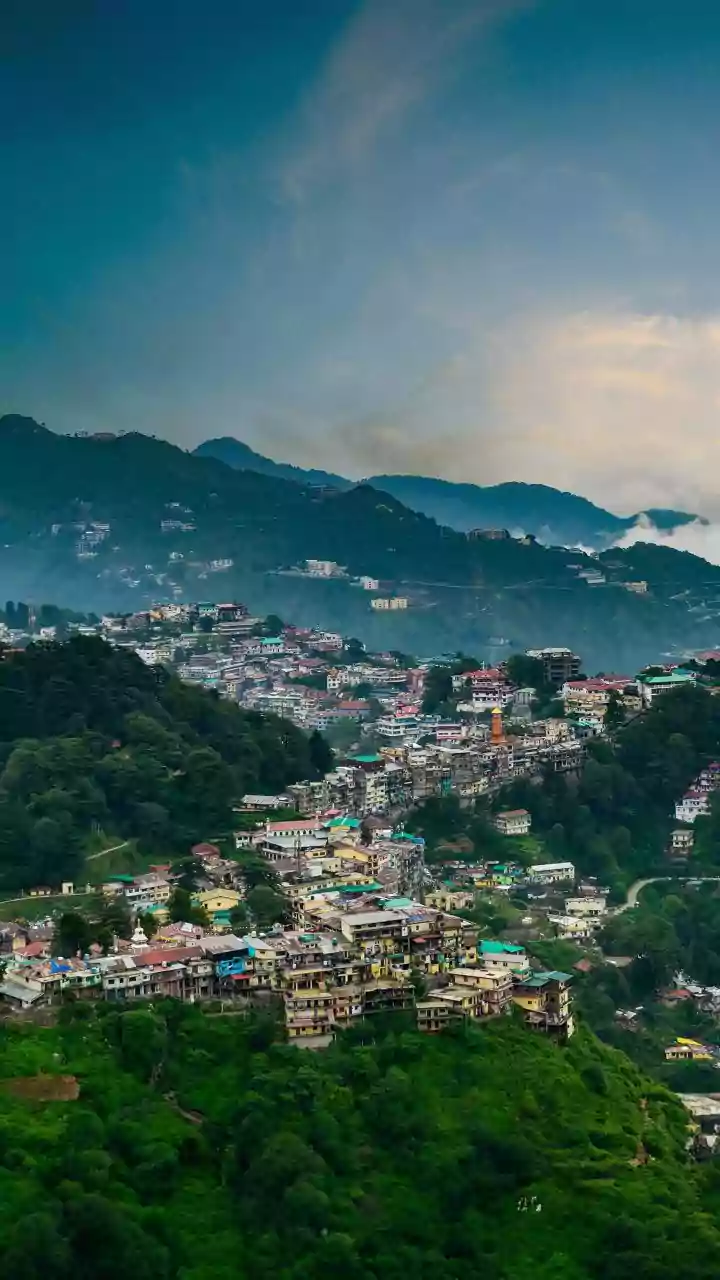
for sudden, intense showers. This transitional weather means that while the scenery is at its post-monsoon best, risks like slippery roads and the potential for landslides still exist, especially in the early part of the month. In mountain regions like Himachal Pradesh and Uttarakhand, September generally sees a decrease in rainfall as the month progresses, making it safer for travel than August. However, checking local weather advisories before and during your trip is non-negotiable.
Essential Packing: Beyond the Umbrella
Packing for the September hills requires a focus on versatile, quick-drying items. Cotton is best avoided as it absorbs moisture and takes a long time to dry in the humid conditions. Instead, opt for synthetic fabrics.
Your packing list should include:
Waterproof Outerwear: A lightweight, breathable rain jacket or poncho is more practical than an umbrella, which can be useless against strong winds on hillsides.
Quick-Dry Clothing: Pack synthetic T-shirts, lightweight trekking pants, and moisture-wicking undergarments. These will keep you comfortable and dry quickly if you get caught in a shower.
Appropriate Footwear: This is crucial. Pack waterproof shoes or sandals with excellent grip for navigating slippery paths and wet streets. Avoid new shoes; stick with a pair that's already broken in.
Waterproof Bags: Use dry bags or even large zip-lock pouches to protect your electronics, wallet, and important documents. A rain cover for your main backpack is also a must-have.
A Warm Layer: Even if the days are warm, evenings in the hills can get surprisingly cold, especially after rain. A thin fleece or a light woollen sweater is essential.
Navigating the Roads Safely
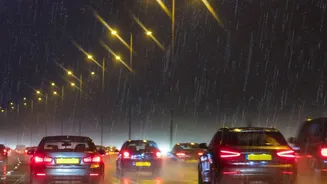
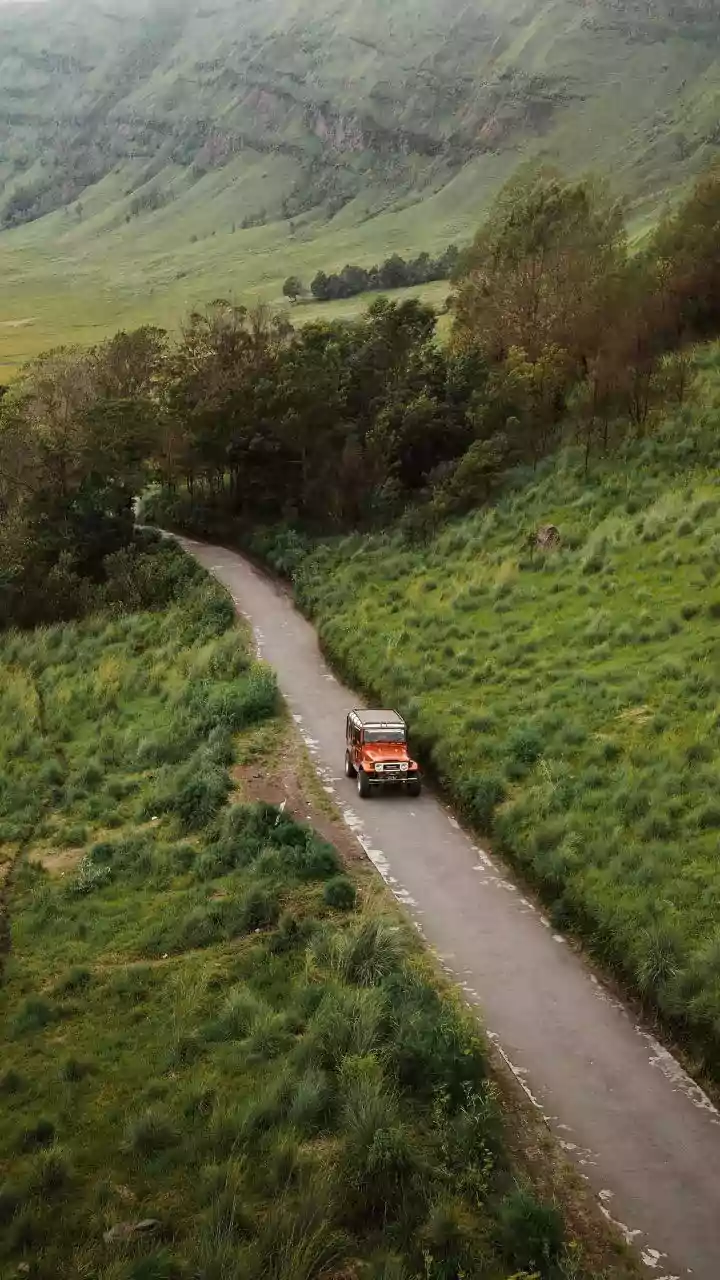
Driving in the hills during the tail-end of the monsoon requires extra caution. Wet roads, fog, and the risk of landslides demand a defensive driving style. If you're driving yourself, ensure your vehicle's tyres, wipers, and brakes are in excellent condition.
Key driving tips include:
Slow Down: Reduce your speed significantly, especially on sharp turns and hairpin bends. It takes longer to stop on wet roads.
Use Low Gears: When driving downhill, use a lower gear to let the engine do some of the braking, preventing your brakes from overheating.
Honk at Blind Corners: Visibility can be poor due to fog or rain. Honk to alert oncoming traffic.
Give Way to Uphill Traffic: This is a standard rule of hill driving that becomes even more important in tricky conditions.
Avoid Puddles: You never know how deep a hidden pothole might be.
Stay Informed: Before starting your journey, check with local authorities or online forums about road conditions and any potential closures.
Staying Healthy on Your Trip
The damp and humid conditions of the post-monsoon season can bring health challenges. Waterborne diseases and mosquito populations are often at a peak.
To stay healthy:
Drink Safe Water: Stick to bottled, boiled, or purified water to avoid gastrointestinal infections. Avoid tap water and ice in drinks.
Be Mindful of Food: Avoid uncooked street food, especially items like salads or pre-cut fruit that may have been washed in contaminated water. Opt for fresh, hot-cooked meals.
Protect Against Mosquitoes: Use a reliable insect repellent, especially during the early morning and evening hours. Wearing long-sleeved shirts and trousers can also help reduce bites.
Keep Dry: Don't stay in wet clothes for long, as it can lead to fungal infections and lower your body temperature, making you more susceptible to colds. Always have a dry set of clothes handy.
Planning a Flexible Itinerary
The key to a successful September hill trip is flexibility. Sudden rain can wash out a planned day of trekking or sightseeing. It's wise to have backup plans.
Mix Outdoor and Indoor Activities: For every long hike you plan, have a cosy café, local museum, or indoor market in mind as an alternative.
Don't Over-schedule: Leave buffer time in your itinerary. Roadblocks or delays due to weather are common, and a packed schedule will only add to the stress.
Start Your Days Early: Mornings are often clearer and sunnier. Plan your most important outdoor activities for the first half of the day to make the most of the good weather before potential afternoon showers roll in.