



The Golden Rule: Don't Crowd the Basket
The single most important principle for achieving a crispy texture is giving your snacks space. An air fryer works by circulating hot air rapidly around the food. When the basket is overcrowded, this airflow gets blocked. Instead of crisping, the snacks trap
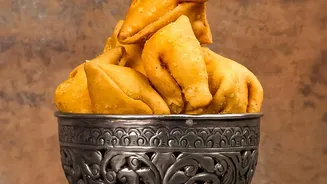
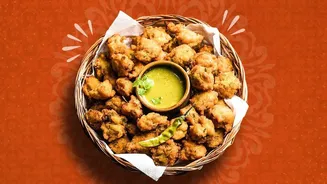
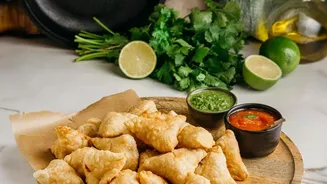
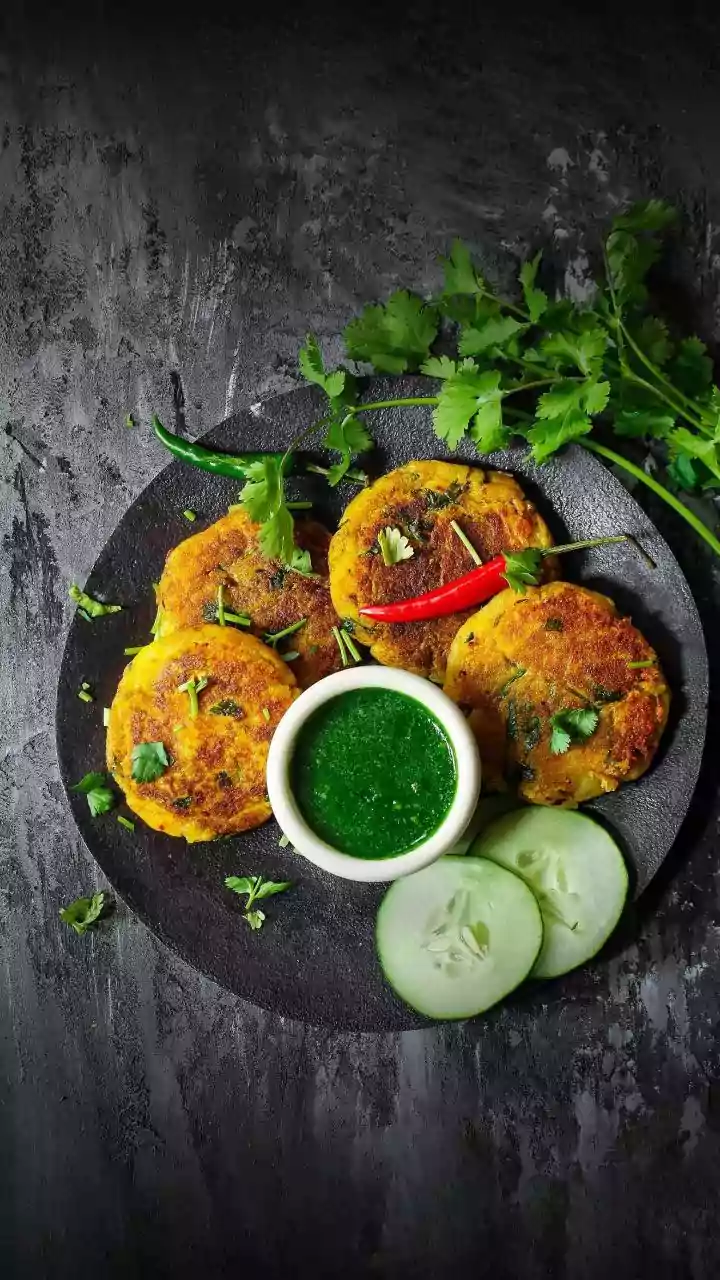
steam and end up soft or soggy. Whether you're making samosas, pakoras, or tikkis, always arrange them in a single layer, ensuring there are gaps between each piece. This allows the hot air to hit every surface, creating a uniformly golden and crunchy exterior. If you’re cooking a large batch, it's always better to work in two or three smaller batches than to cram everything in at once.
A Little Oil Goes a Long Way
While air frying is celebrated for using less oil, a small amount is crucial for achieving that desirable crunch and colour. For snacks that are typically deep-fried, like samosas or pakoras, lightly brushing or spraying them with oil before cooking makes a world of difference. This minimal layer of fat helps the surface to brown and crisp up, mimicking the texture of deep-frying. The best oils for this are those with a high smoke point, such as avocado, canola, or peanut oil, as air fryers often operate at high temperatures of around 180°C to 200°C. Avoid extra virgin olive oil for high-heat air frying, as its low smoke point can cause it to burn and impart a bitter taste.
Mastering Temperature and Time
There isn't one universal setting for all snacks; the right temperature and time depend on the food's density and moisture content. As a general rule, preheating your air fryer for 3-5 minutes at the target temperature gives your snacks a head start, ensuring the exterior begins to crisp immediately. For many snacks like samosas and tikkis, a temperature of around 180°C (350-375°F) is a good starting point. For achieving a harder, more defined crust on items like pakoras, a higher temperature of 200°C (400°F) might be necessary. It's also vital to flip or shake the snacks halfway through the cooking process to ensure even browning and crisping on all sides.
Adapting Batters and Breading
Deep-frying is forgiving with wet, loose batters, but air frying is not. For snacks like pakoras or medu vadas, the batter needs to be significantly thicker than its deep-fried counterpart to prevent it from dripping through the basket. If a batter is too thin, the food will steam instead of crisp. Adding a small amount of rice flour or cornflour to your besan (chickpea flour) batter can also enhance crispiness. For breaded items like veg cutlets or aloo tikki, using panko breadcrumbs is a game-changer for extra crunch. Pressing the coating firmly onto the snack and giving it a light spray of oil helps the breading turn golden and crunchy.
Technique Focus: Samosas and Pakoras
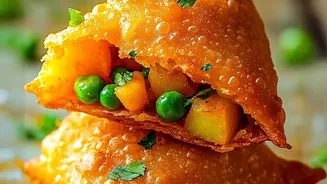
For perfect air-fried samosas, ensure the filling has cooled completely before you stuff the pastry, as warm filling can make the dough soggy. Brush the samosas with a thin layer of oil and cook them at around 180-190°C for 15-20 minutes, flipping them midway. For pakoras, the key is a thick batter that clings to the vegetables. Instead of dropping loose spoonfuls, shaping them into slightly flatter patties helps them cook more evenly. Cook them at a higher temperature, around 200°C, for 12-15 minutes, and don't forget to spray them lightly with oil before cooking for that signature shatter-like crunch.