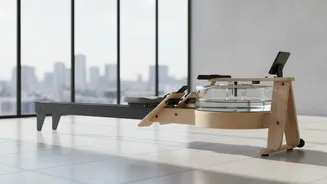








The 'Go Slower to Get Fitter' Method
First, what exactly is Zone 2? Think of it as your 'conversational cardio' zone. It’s a low-to-moderate intensity level, typically sitting between 60-70% of your maximum heart rate. At this pace, you should be able to hold a full conversation without
gasping for air. Unlike high-intensity interval training (HIIT) which pushes you to your limits, Zone 2 is about maintaining a steady, sustainable effort for a longer duration, usually 30 minutes or more. The magic of this zone lies in its metabolic efficiency. When you train in Zone 2, your body becomes incredibly good at using fat for fuel instead of relying on carbohydrates. This not only helps with endurance but also improves your mitochondrial function—the tiny powerhouses inside your cells—making you a more efficient energy-burning machine over time.
Why Rowing Is the Perfect Vehicle
While you can achieve Zone 2 with a brisk walk or a light jog, the rowing machine offers unique advantages. Firstly, it's a true full-body workout. A single stroke on the rower engages over 86% of your muscles, from your legs and glutes to your core and upper back. This comprehensive muscle activation means you get more metabolic bang for your buck compared to cycling or running. Secondly, and most importantly for long-term health, rowing is profoundly low-impact. Because your feet are strapped in and you're in a seated position, there is no jarring force on your ankles, knees, or hips. This makes it an ideal exercise for anyone, from seasoned athletes looking for active recovery to beginners concerned about the wear and tear of high-impact workouts on hard, urban surfaces. The smooth, fluid motion protects your joints while still providing a potent cardiovascular stimulus.
The Ultimate Urban Cardio Solution
Combining Zone 2 principles with rowing creates a powerful synergy perfectly suited for the modern Indian urbanite. The fitness landscape in cities like Mumbai, Bangalore, and Delhi is shifting towards a more holistic view of health, valuing longevity and functional strength over punishing routines. Many city dwellers battle sedentary desk jobs, long commutes, and pollution, which can make outdoor running less appealing and joint health a primary concern. Zone 2 rowing directly addresses these challenges. It offers a time-efficient, full-body workout that can be done indoors. The steady, rhythmic nature of rowing makes it incredibly easy to lock into your Zone 2 heart rate and stay there, maximising the aerobic and fat-burning benefits without requiring a long recovery period. You can build a robust cardiovascular foundation and muscular endurance without the risk of overtraining or injury.
Investing in a Pain-Free Future
The long-term payoff is where Zone 2 rowing truly shines. While high-impact exercises can lead to cumulative stress on cartilage and ligaments, rowing strengthens the muscles that support your joints without the damaging impact. By building strength in your glutes, hamstrings, and core, you create a natural support system for your knees and lower back—areas often strained by a sedentary lifestyle. This focus on building a resilient body, rather than just burning calories, is a paradigm shift. It redefines cardio not as a punishing necessity, but as a sustainable practice that preserves your body's mobility and function for decades to come. It’s less about the short-term burn and more about a long-term investment in your physical well-being.
How to Get Started on Your Journey
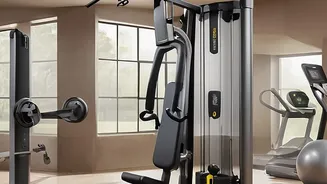
Getting started is simple. Most gyms today are equipped with rowing machines. To find your Zone 2 heart rate, you can use the simple formula of 220 minus your age, then calculate 60-70% of that number. For example, a 30-year-old would have a max heart rate of around 190, making their Zone 2 range approximately 114-133 beats per minute. However, the 'talk test' is often the most practical guide. Start with a 10-minute warm-up, then settle into a pace where you can comfortably speak. Aim for 30-45 minutes of steady rowing at this intensity, focusing on consistent form. Try to incorporate two to three of these sessions into your weekly routine to start building your aerobic base and reaping the joint-protective benefits.