







The Search for 'Susegad' Shifts Inland
For decades, Goa's identity has been tied to its coastline. But as popular beaches become more crowded and commercialised, a noticeable shift is underway. Young travellers from across India, tired of the usual party circuit, are seeking more authentic
and peaceful experiences. This search has led them inland, to the state's sprawling hinterlands, which are part of the biodiverse Western Ghats. The Goan government has even launched a “Goa Beyond Beaches” campaign to encourage this trend, promoting the state's rich cultural heritage and natural landscapes. This move is not just about escaping the crowds; it's about finding a deeper connection to the place, a slower pace of life, and a more sustainable way to travel. It's a quest for the true meaning of 'susegad'—a unique Goan concept of contented relaxation—far from the tourist-packed shores.
Forests, Falls, and Ancient Temples
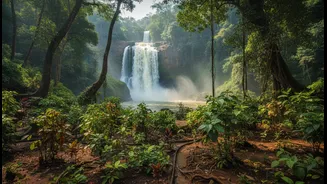
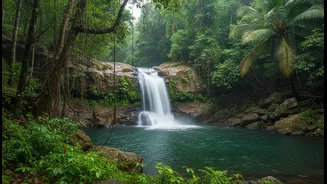
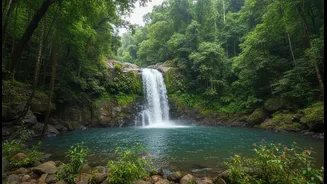
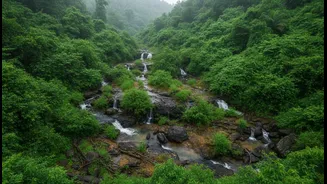
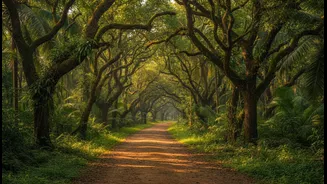
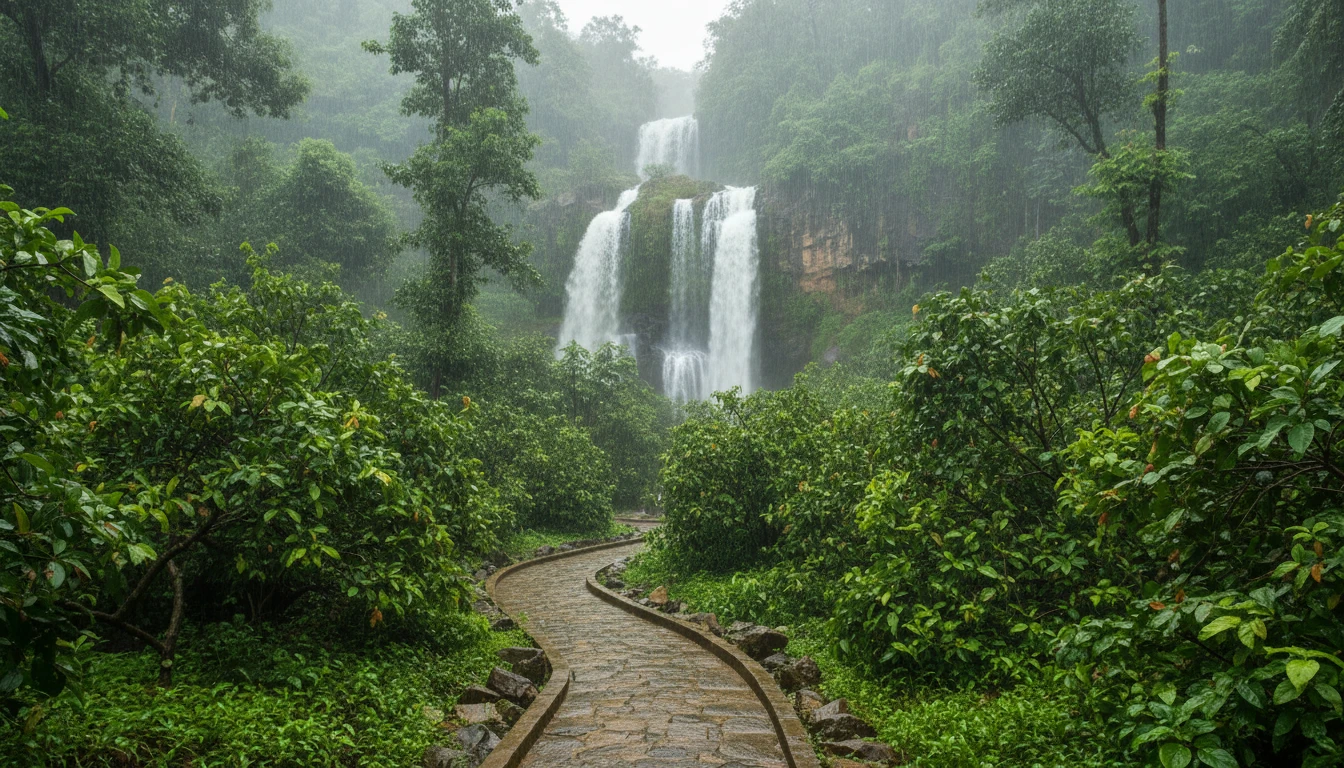
So, what exactly do the hinterlands offer? A world of green. This region is a mosaic of dense forests, spice plantations, and quiet riverine villages. Adventure here is not about beach volleyball but about trekking through lush jungle to discover hidden gems. The majestic Dudhsagar Falls is a major draw, but smaller, more serene waterfalls like those at Tambdi Surla and Harvalem are equally captivating. History buffs can explore the 12th-century Tambdi Surla Temple, one of the oldest in Goa, tucked away inside the Bhagwan Mahavir Wildlife Sanctuary. This sanctuary, along with others like Netravali and Cotigao, offers trails for hiking and birdwatching, providing a chance to see hornbills, macaques, and a stunning variety of butterflies.
A Taste of Authentic Goan Life
The appeal of the hinterlands goes beyond nature. It's an opportunity to experience Goa as the locals do. Instead of generic hotels, travellers are opting for heritage homestays and farm stays nestled in quiet villages like Aldona, Moira, and Loutolim. These stays, often in beautifully restored Portuguese-era homes, offer a personal glimpse into Goan culture. A highlight for many is a visit to a local spice plantation, such as Sahakari Spice Farm. Here, you can take guided walks to see how pepper, cinnamon, and nutmeg grow, followed by a traditional Goan meal made with the farm's fresh produce. This focus on local cuisine, culture, and community interaction is a core reason why young people are finding the hinterlands so rewarding.
The Rise of Slow and Sustainable Travel
This trend is closely linked to a global shift towards slow, sustainable, and responsible tourism. Young travellers today are more conscious of their environmental and social impact. They are actively choosing experiences that benefit local communities and preserve the natural environment. Ecotourism and regenerative travel are at the heart of the hinterland experience. By choosing to stay in a family-run homestay, hiring a local guide, or buying produce from a village market, travellers contribute directly to the local economy, helping to create a more equitable form of tourism. This conscious approach is reshaping Goa's image from just a party destination to a model for more immersive and mindful travel. It's about travel that doesn't just take, but also gives back.