



General Rules for Monsoon Buying
Before diving into specific vegetables, adopt a few key habits for the rainy season. First, buy produce in smaller quantities and more frequently. The high humidity accelerates spoilage, so what you buy should be consumed quickly. Always inspect vegetables carefully,
avoiding anything that looks excessively wet, slimy, wilted, or has a foul smell. Steer clear of pre-cut vegetables sold at stalls or markets. The combination of heat, humidity, and exposed surfaces allows bacteria to multiply rapidly, increasing the risk of spoilage and foodborne illness.
The Leafy Green Dilemma
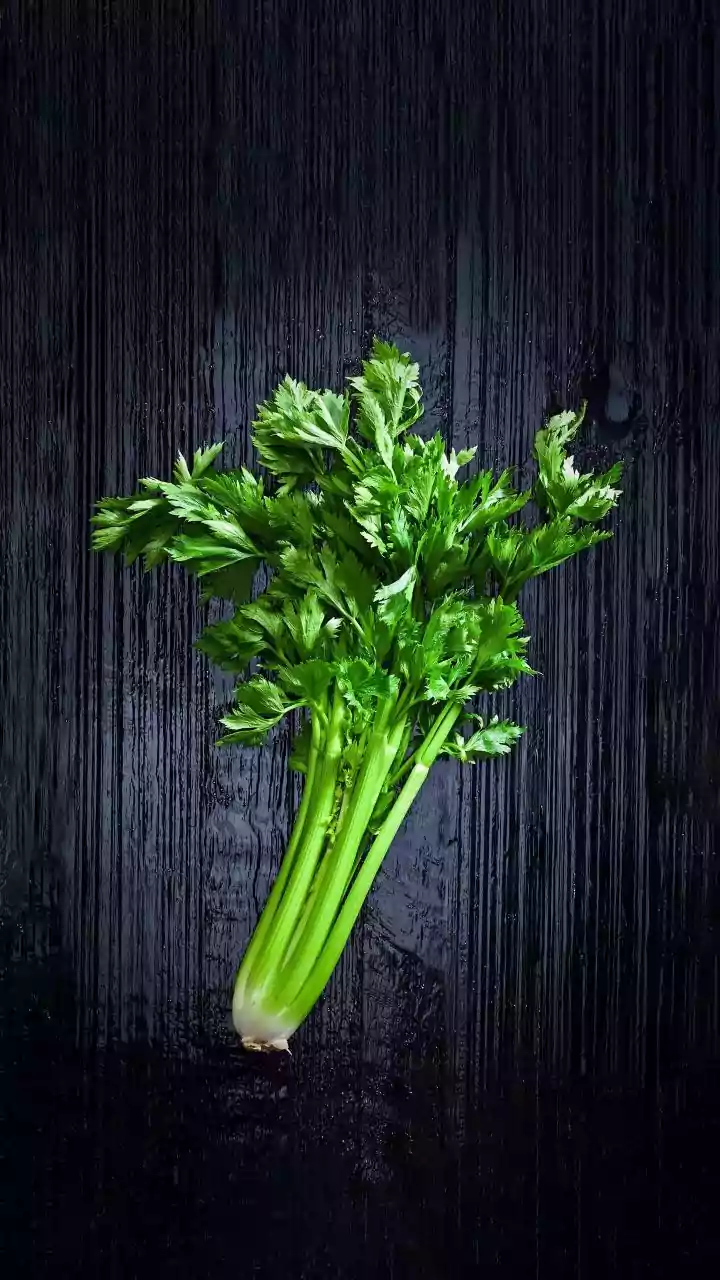
Leafy vegetables like spinach (palak), fenugreek (methi), and cabbage are particularly tricky during the monsoon. Their layered leaves can easily trap mud, moisture, and tiny insects, making them difficult to clean thoroughly. When buying, look for crisp leaves, not limp or slimy ones. Check the bunch for yellowing leaves or signs of rot near the stems. Due to the high risk of contamination from soil and water, many health experts advise consuming leafy greens with caution during this season, and always cooking them thoroughly instead of eating them raw.
Mastering Gourds and Beans
Gourds such as bottle gourd (lauki), ridge gourd (turai), and bitter gourd (karela) are generally considered safer choices during the monsoon. Their sturdy skin offers better protection against contaminants. When selecting, look for a firm and unblemished surface. The gourd should feel heavy for its size and have a vibrant, even colour. Avoid any with soft spots, cuts, or a dull appearance. For beans like cluster beans (gawar) and French beans, ensure they are crisp and snap easily. Limp or rubbery beans are past their prime.
Root Vegetables: The Foundation
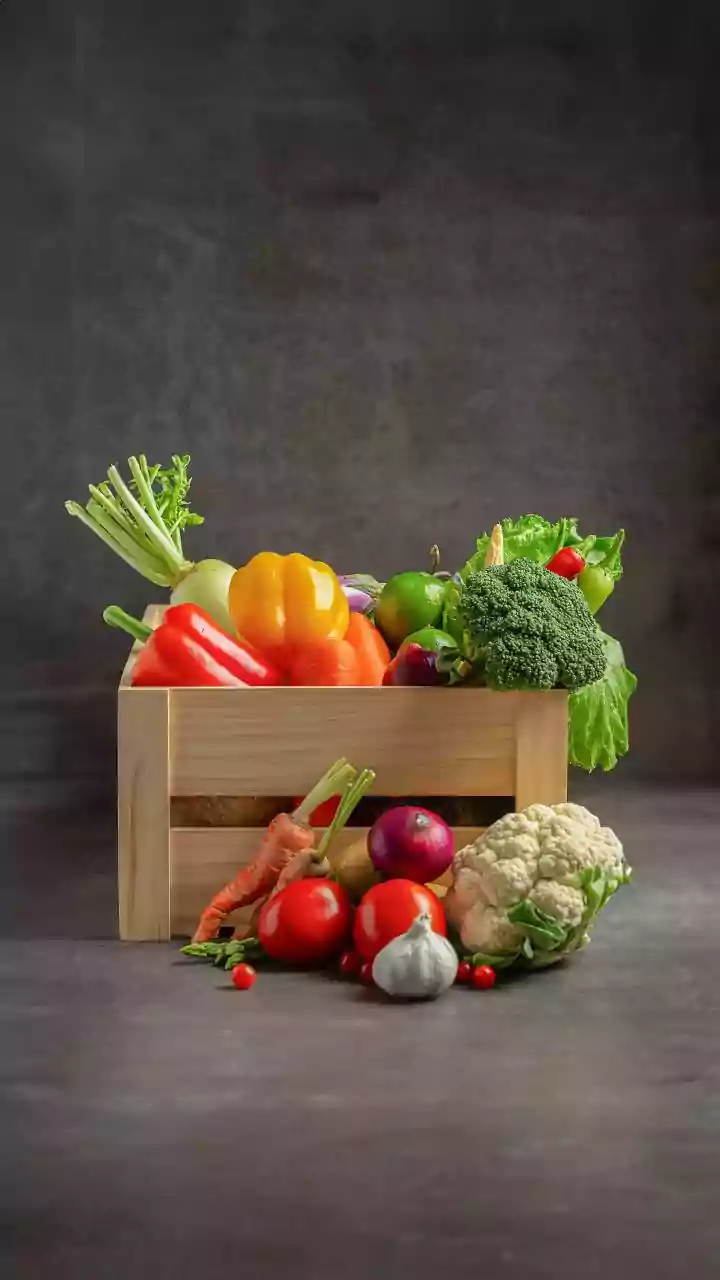
Root vegetables like potatoes, onions, carrots, and radishes grow underground, making them susceptible to absorbing excess moisture from the soil during heavy rains. This can make them watery and prone to faster spoilage. When shopping, choose potatoes and onions that are firm, dry, and free from any soft spots, sprouts, or green patches. Carrots and radishes should be firm to the touch and not rubbery. Always ensure they are washed thoroughly to remove soil contaminants before cooking.
Cauliflower and Broccoli Check
Cruciferous vegetables like cauliflower and broccoli are notorious for hiding worms and pests, especially during the monsoon. The tightly packed florets provide an ideal hiding place. Inspect the head carefully before buying. It should be compact, and the florets should be creamy-white or a consistent green, with no dark spots or mould. Spread the florets slightly to check for any hidden insects. Due to trapped moisture, they can develop bacterial growth, so consuming them sparingly and after thorough cleaning is advised.
A Note on Brinjal and Mushrooms
During the monsoon, pest infestations are at their peak. Vegetables like brinjal (eggplant) can produce higher levels of natural defense chemicals called alkaloids to ward off these pests, which can cause allergic reactions in some people. Similarly, mushrooms, which thrive in damp conditions, have a higher risk of carrying pathogens from the soil. If you choose to buy them, ensure they are from a reliable source and cook them well. For brinjal, look for smooth, glossy skin and a green, fresh-looking stem.