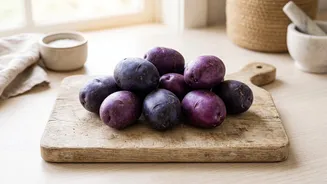


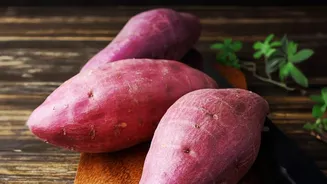


The humble potato, a staple in every Indian kitchen, has a vibrant new look. Say hello to the purple potato, a colourful variety that gets its stunning hue from natural pigments called anthocyanins, packing a surprising nutritional punch.
Meet India's Colourful Spuds
While potatoes
are often considered a simple source of carbohydrates, agricultural scientists in India have been working to enhance their nutritional value. The result is a series of colourful varieties developed by the ICAR-Central Potato Research Institute (CPRI) in Shimla. Among these are 'Kufri Neelkanth', which has a striking dark purple skin but cream-coloured flesh, and the newer 'Kufri Jamunia', which boasts purple skin and matching purple flesh. These varieties have been specifically developed and adapted for cultivation in the North Indian plains, including states like Punjab, Haryana, and Uttar Pradesh. The goal of this biofortification is to tackle 'hidden hunger'—micronutrient deficiencies—by packing more vitamins and minerals into a food that is already a dietary staple for millions.
The Science of Colour: What Are Anthocyanins?
The brilliant purple colour of these potatoes is not artificial; it comes from a group of powerful plant compounds called anthocyanins. These are the same natural pigments that give blueberries, jamun, and red cabbage their deep, rich colours. Anthocyanins are a type of flavonoid and are best known for their potent antioxidant properties. Antioxidants are crucial for our health as they help protect our bodies from oxidative stress caused by unstable molecules called free radicals. This cellular damage is linked to ageing and a host of chronic health issues. Research shows that purple potatoes can have significantly more antioxidant power than their white or yellow counterparts, with some studies suggesting the antioxidant activity is up to 20 times greater.
A Powerhouse of Health Benefits
The high concentration of anthocyanins gives these purple potatoes a range of potential health benefits. Numerous studies suggest that a diet rich in these compounds may help reduce inflammation and protect against several chronic conditions. The antioxidant and anti-inflammatory effects are linked to improved cardiovascular health, including potentially lower blood pressure. Furthermore, these compounds may support brain health and cognitive function. Besides anthocyanins, these biofortified potatoes are also richer in other nutrients. For instance, 'Kufri Jamunia' contains significantly higher levels of Vitamin C, iron, and zinc compared to conventional varieties, making it a nutrient-dense choice.
In the Kitchen: Taste and Cooking Tips
Beyond their health benefits, the crucial questions for any home cook are about taste and usability. Purple potatoes generally have a mild, slightly nutty, and earthy flavour, similar to common white potatoes. They possess a mealy texture, which makes them incredibly versatile. They are suitable for boiling, baking, roasting, and frying, and can be used in traditional Indian dishes like curries and snacks. To get the most nutritional benefit, it is best to cook them with their skin on, as many of the nutrients are concentrated there. Steaming and roasting are excellent methods to preserve the anthocyanins and the vibrant colour. Baking them whole or roasting them in chunks with some olive oil and herbs are simple ways to enjoy their unique qualities.