







Beyond the Concrete Office
For years, the promise of remote work was simple: freedom from the office. But as laptops replaced cubicles, a new question emerged: what does the ideal workspace look like when it can be anywhere? For a growing tribe of digital nomads flocking to Northern
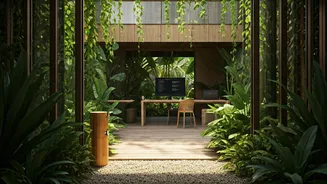
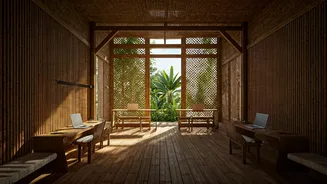
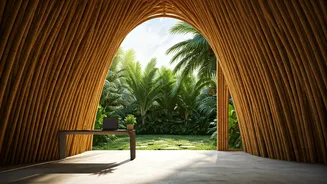
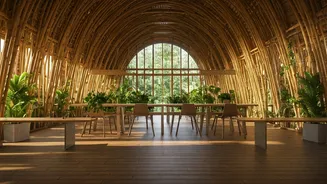
Thailand, the answer isn’t found in a glass-and-steel tower, but in open-air structures crafted from bamboo. Chiang Mai has long been a global capital for remote workers, prized for its affordability, incredible food, and laid-back culture. But a deeper movement is taking root. It’s a conscious shift away from the anonymous, air-conditioned co-working chains toward spaces that feel connected to the environment. These 'bamboo hubs' represent more than just an architectural choice; they are a statement about a new way to integrate work, life, and nature.
What Exactly Is a Bamboo Hub?
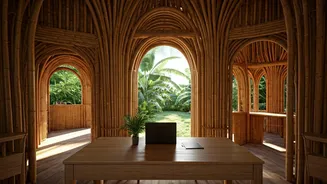
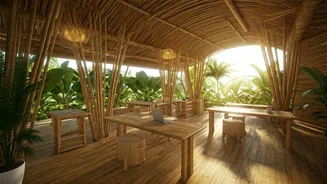
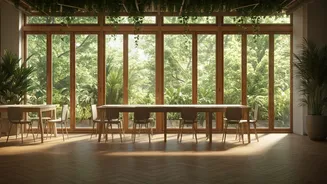
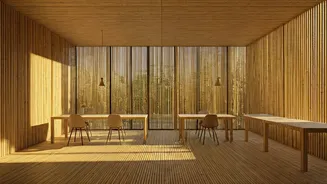
The term 'bamboo hub' isn't a franchise name you’ll find on Google Maps. Instead, it’s an ethos embodied by a variety of spaces across Chiang Mai. These can range from dedicated co-working venues to tranquil cafés that welcome the laptop crowd. What unites them is a design philosophy that prioritizes natural materials, ventilation, and a seamless blend between indoors and outdoors. Bamboo, a fast-growing and sustainable grass, is the star material, used for everything from structural beams and walls to furniture and decor.
Think less 'office' and more 'productive sanctuary'. Spaces like the famous No. 39 Cafe, with its iconic wooden slide and multi-level treehouse-like seating areas, capture this spirit perfectly. While not exclusively for work, they foster an atmosphere where creativity flows as freely as the breeze. The structures are designed to be cool without relying solely on energy-guzzling air conditioning, making them both pleasant and environmentally friendly.
The Zero-Waste Philosophy in Practice
The 'zero-waste' component is where these hubs truly differentiate themselves. This isn't just about providing recycling bins. It’s a holistic commitment to reducing environmental impact that permeates every aspect of the business. For patrons, this is visible in small but meaningful ways: no single-use plastic straws, discounts for bringing your own reusable cup, and a focus on serving food and drinks with minimal packaging.
Behind the scenes, the commitment often runs deeper. Many of these establishments partner with local farms to source organic produce, reducing food miles and supporting the local economy. They compost food scraps, turning waste into a resource. They use natural, biodegradable cleaning products. This philosophy attracts a clientele that is equally conscious, creating a community of people who not only share a workspace but also a set of values. It transforms the simple act of buying a coffee into a vote for a more sustainable business model.
Finding Your Community, Not Just Wi-Fi
Perhaps the most powerful draw of these spaces is the sense of community. The loneliness of remote work is a well-documented struggle, and traditional co-working spaces can sometimes feel like silent libraries. The bamboo hubs of Chiang Mai, however, are built for connection.
The open-air design and shared tables encourage spontaneous conversations. Many places host regular events, from skill-sharing workshops and community lunches to morning yoga sessions and live music in the evenings. You might find yourself collaborating on a project with a graphic designer from Germany one day and learning about cryptocurrency from a coder from Mumbai the next. This organic networking is invaluable, providing personal and professional connections that extend far beyond the workday. It’s a social ecosystem where people are genuinely interested in what others are doing, creating a support system for nomads far from home.
Your Chiang Mai Workstation Checklist
Ready to trade your desk for a bamboo bench? Here’s what to look for when choosing your hub. First, the basics: confirm the Wi-Fi is fast and reliable—most places in Chiang Mai are excellent on this front. Check for an adequate number of power outlets, especially if you plan to stay all day. Comfort is key, so find a spot with ergonomic seating options, not just hard stools. Beyond the practical, seek out the vibe that suits you. Some places are buzzy and social, like Rustic & Blue in the Nimman area, while others, often found in quieter sois (alleys), offer a more meditative atmosphere. And of course, don’t underestimate the power of great coffee and healthy food to fuel your productivity.