




The Real Cost at Purchase
When you buy gold, the final price isn't just the weight multiplied by the day's rate. The bill includes three key components: the base gold price, making charges, and GST. This is where the paths of coins and jewellery first diverge. Gold coins, especially
those from reputable mints, have minimal 'making charges' or premiums. Jewellery, on the other hand, comes with significant making charges to cover the cost of craftsmanship and design. These charges can range from 8% for simple machine-made chains to over 30% for intricate, handcrafted pieces.
The Resale Pain Point: Making Charges
The single biggest reason for the gap in resale value is that making charges are almost entirely non-recoverable. When you sell your gold jewellery, the buyer is primarily interested in the value of the gold itself, not the labour you paid for. Jewellers will typically deduct these charges from the valuation, immediately reducing the item's worth by 10-30% compared to what you originally paid. Coins, with their low initial premium, don't suffer from this drastic drop in value, preserving their capital much more effectively.
Purity Makes a Price Difference
Purity, measured in karats, is a direct factor in your gold's resale price. Gold coins intended for investment are almost always 24 karat (24K), which is 99.9% pure gold. This is the standard upon which gold prices are based. Gold jewellery, however, is typically made from 22K (91.6% pure) or 18K (75% pure) gold. The addition of other metals (alloys) makes the jewellery more durable for everyday wear. When you sell, the value is calculated based on the actual gold content. A 10-gram, 22K item doesn't have 10 grams of pure gold, and its price will be adjusted downwards accordingly.
Coins: The Clearer Investment Choice
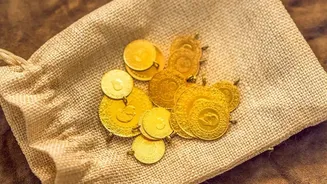
From a purely financial standpoint, gold coins are the superior investment for capital appreciation. Their value is tied directly to the market rate of 24K gold, they have minimal making charges, and their purity is certified and easily verifiable. This makes them highly liquid and easy to sell to any jeweller or bullion dealer. For investors, this transparency means a much higher percentage of the initial cost is retained upon resale.
The Jewellery Equation: Utility and Emotion
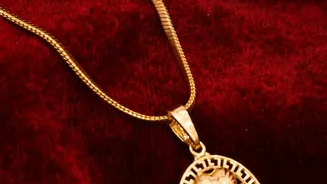
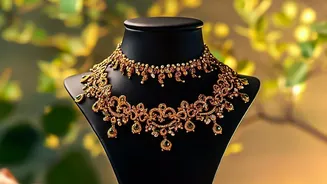
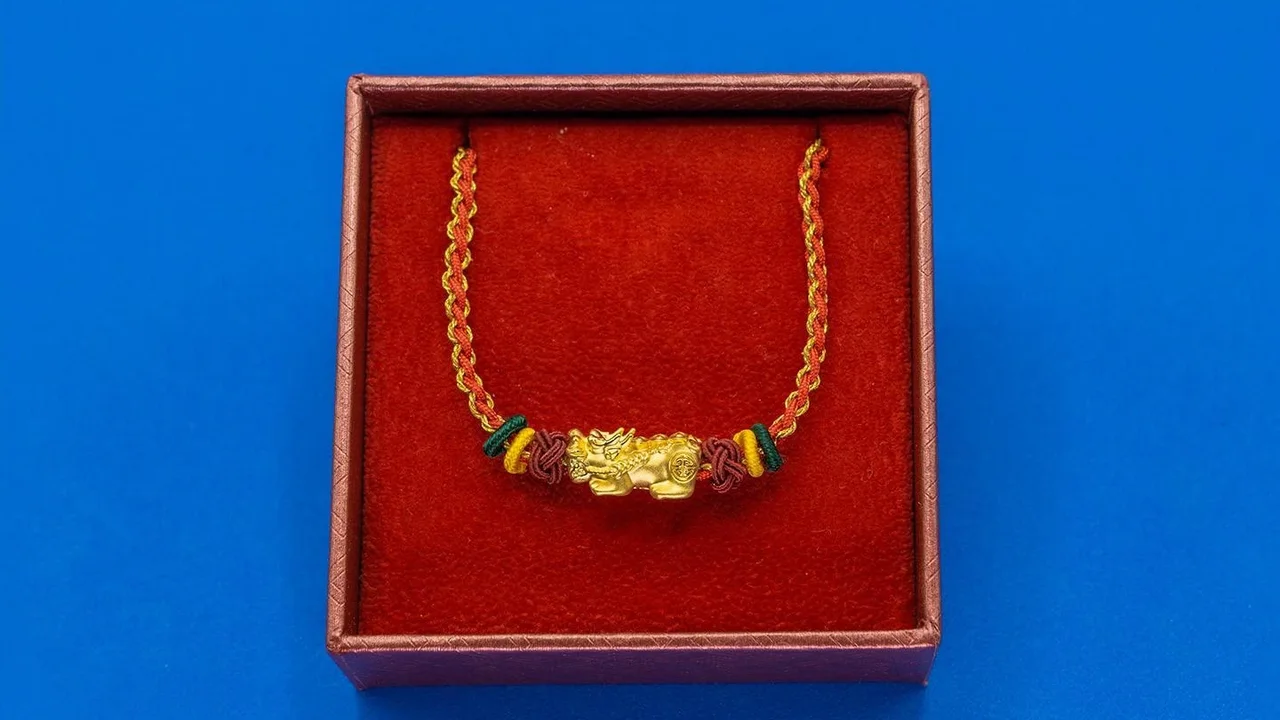
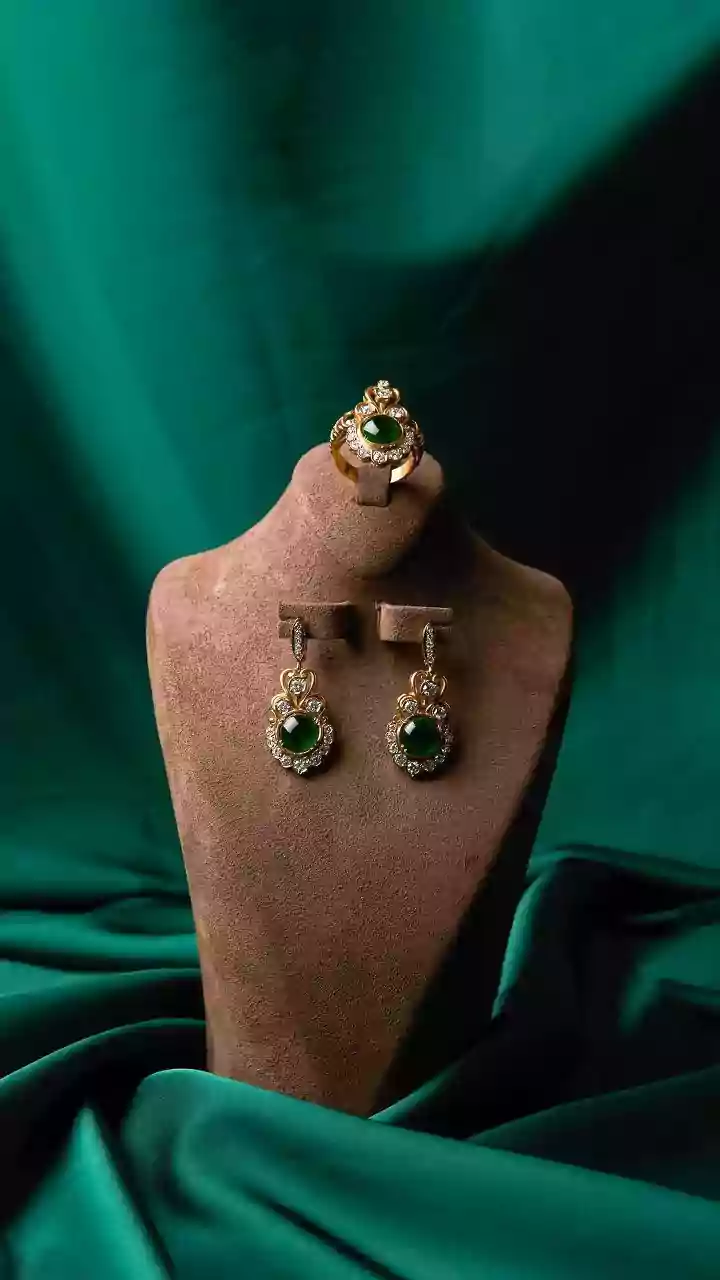
While coins win on investment metrics, jewellery offers something coins cannot: utility and emotional value. You can wear and enjoy a necklace or a pair of bangles, making them a part of your life and celebrations. This dual purpose—as both an asset and an accessory—is a significant reason for its enduring popularity. While you will lose the making charges on resale, many buyers accept this as the cost of use and enjoyment. The best way to maximise the resale value of jewellery is often to sell it back to the original jeweller, who may offer a better buy-back rate.
Where You Sell and What to Expect
Selling gold jewellery typically involves a jeweller weighing your item, testing its purity (often using an XRF machine), and then offering a price based on the day's rate for that purity, after deducting for stones and impurities. For coins, the process is similar but more straightforward due to certified purity. It is important to note that while banks in India sell gold coins, RBI regulations generally prohibit them from buying them back. Therefore, your primary market for selling both coins and jewellery remains with reputable jewellers and bullion dealers.