



The 'Danger Zone' Explained
The most critical concept in food safety is the 'temperature danger zone'. According to food safety authorities like FSSAI, this is the temperature range between 5°C and 60°C where bacteria can multiply rapidly. Foods like cooked meat, dairy products,
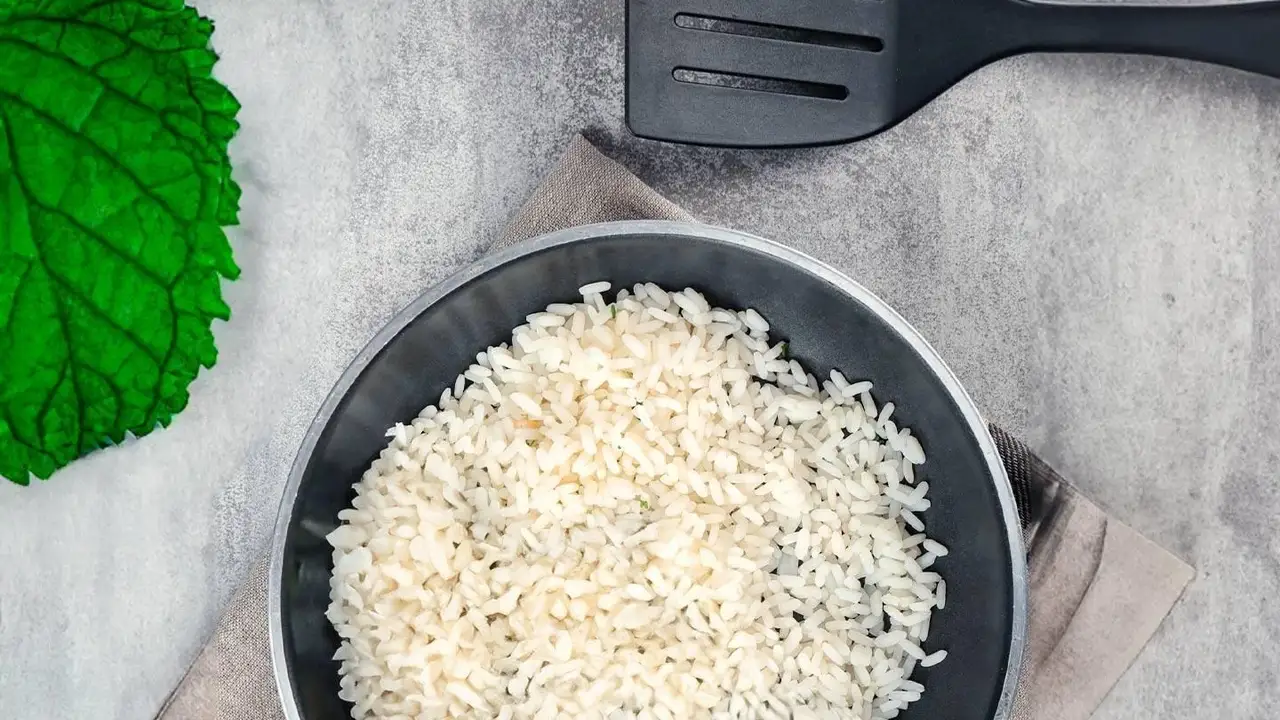
rice, and even some vegetables are considered potentially hazardous and can become unsafe if left in this zone for too long. The goal during travel is to keep cold food cold (below 5°C) and hot food hot (above 60°C), minimising the time it spends in between. Bacteria such as Salmonella and E. coli can double in number every 20 minutes in these conditions, and you often can't see, smell, or taste the danger.
The Two-Hour (or One-Hour) Rule
A general guideline for food safety is the two-hour rule: discard any perishable food that has been in the temperature danger zone for more than two hours. However, in the warmer climates often experienced across India, this window shrinks. When the ambient temperature is above 32°C (or 90°F), food should not be left out for more than one hour. This cumulative time includes preparation, packing, and sitting in a warm car or train compartment. After this period, the risk of bacterial growth reaching harmful levels increases significantly, even if the food looks and smells perfectly fine. When in doubt, the safest option is always to throw it out.
Choose Your Travel Foods Wisely
The safest travel foods are those that are less prone to spoilage. Dry, packaged, and preserved foods are generally safe because most germs need moisture to thrive. For Indian journeys, this includes traditional choices like theplas, puris with dry vegetable preparations, roasted chana, khakhra, and peanut chikki. These items have low moisture content and can last for many hours without refrigeration. Fruits that you can peel yourself, such as bananas and oranges, are also excellent options. It's best to avoid high-risk items like creamy salads, cut fruits, unpasteurised dairy, and raw or undercooked meats unless you can guarantee they will stay properly chilled.
Master the Art of the Cooler
For perishable items, an insulated cooler is your best friend. To maximize its effectiveness, pre-chill the cooler itself by placing a bag of ice in it overnight. When packing, follow a 2:1 ratio of ice to food. Use large blocks of ice or frozen water bottles, as they melt slower than ice cubes. Pack perishable foods directly from the refrigerator into the cooler, placing raw meats at the bottom and securely wrapped to prevent juices from contaminating other items. Fill any empty spaces with more ice to eliminate air pockets, as a full cooler stays colder for longer. It's also wise to have a separate cooler for drinks, since it will be opened more frequently, which helps the food cooler maintain its temperature.
On-the-Go Strategies for Safe Eating
If you are not carrying a cooler, plan your meals around shelf-stable options. Carry sealed, packaged foods and consider ready-to-eat meals that only require hot water. For hot meals, if you are buying from vendors en route, prioritise food that is cooked fresh and served piping hot, as high heat kills most dangerous germs. Be wary of food that has been sitting on a buffet or counter for an unknown amount of time. A simple rule that frequent travellers swear by is: boil it, cook it, peel it, or forget it. This simple mantra can significantly reduce your risk of encountering traveller's diarrhoea or a more serious foodborne illness.