




From Spectator to Participant
For generations, tourism in India often meant a whirlwind tour of famous monuments and viewpoints—collecting photos at the Golden Triangle, a quick trip to a hill station, or a weekend at the beach. Today, a growing number of travellers, particularly
younger generations, are rewriting the rules. They are seeking more than a passive holiday; they want immersive journeys that connect them to a place's culture, nature, and rhythm of life. This desire has given rise to 'experiential travel', where the goal is not to see the sights but to collect memories, stories, and skills. Industry reports show a clear pivot towards curated, personal, and passion-driven trips, a movement that is reshaping India’s tourism landscape from the ground up.
Rishikesh and the Wellness Wave
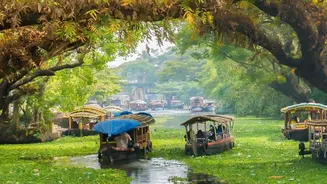
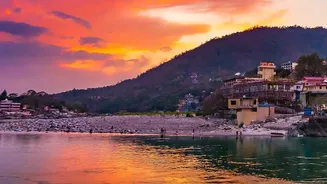
Rishikesh, long a hub for pilgrims, perfectly illustrates this evolution. While still a spiritual centre, it has become a global capital for wellness tourism. Travellers now flock here not just for a glimpse of the Ganga aarti but to participate in it. They enrol in yoga and meditation retreats, seek Ayurvedic treatments, and embrace a slower, more mindful way of being. Yoga and meditation retreats are the largest segment of India's booming wellness tourism market, which is projected to reach over USD 43 billion by 2031. This model, which combines spirituality with personal well-being, is being replicated in other serene locations across the country, from the backwaters of Kerala to the mountains of Himachal Pradesh.
Wildlife Tourism Gets Wilder
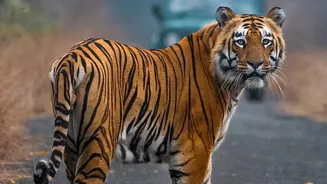
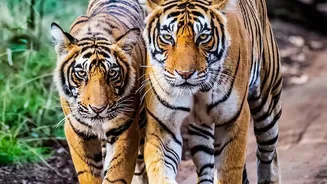
Even the classic wildlife safari is undergoing a transformation. The focus is shifting from a simple checklist—spotting a tiger—to a deeper engagement with the ecosystem. Travellers are now opting for longer stays of three to five nights in wildlife lodges to truly soak in the environment. New circuits are emerging beyond the well-trodden paths of Ranthambore and Corbett. Destinations like Satpura National Park, which allows for walking safaris, or Panna National Park, a story of conservation success, offer more intimate encounters with nature. This new approach includes activities like birdwatching, learning about conservation efforts, and experiencing the forest with all five senses, turning a trip into an education in biodiversity.
The Rise of Rural and Culinary Routes
The search for authenticity is leading urban dwellers back to the countryside. Agri-tourism is a rapidly growing segment, inviting travellers to stay on working farms, participate in harvesting, and learn traditional cooking methods. States like Maharashtra, Punjab, and Goa are seeing a surge in farm stays that offer a genuine slice of rural life. This ties into another major trend: culinary travel. Food is no longer just a part of the trip; it is the destination. People are planning entire holidays around food, from street food walks in Delhi and Amritsar to exploring spice plantations in Kerala and coffee estates in Chikmagalur. These experiences offer a taste of place that no souvenir can match.
A New Map for a New Traveller
This shift towards experience-led travel is effectively redrawing India's tourism map. Improved infrastructure, like new expressways, is creating dedicated tourism corridors that connect multiple destinations into a single, seamless circuit. The Bundelkhand Expressway, for example, now links Khajuraho, Orchha, and Chitrakoot into one heritage trail. Lesser-known destinations are coming into the spotlight, from the quiet Tirthan Valley in Himachal Pradesh to the disappearing river island of Majuli in Assam. By prioritising experiences, travellers are distributing tourism benefits more widely, supporting local communities, and fostering a more sustainable and meaningful way to explore the incredible diversity of India.