






The Ocean's Rising Fever
The engine of the monsoon has always been the temperature difference between the hot landmass of the subcontinent and the cooler surrounding oceans. However, this fundamental balance is being disrupted. The Indian Ocean, particularly the Arabian Sea,
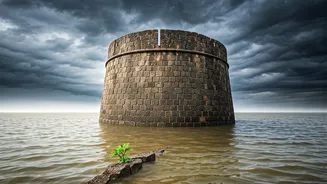
is warming faster than any other tropical ocean basin. This isn't a gentle warming; it's leading to more frequent and intense marine heatwaves. These periods of extreme ocean heat act like a supercharger for the atmosphere, allowing it to hold significantly more moisture and energy. While it might seem like more moisture would mean a better monsoon, the reality is far more chaotic.
A More Erratic and Angry Monsoon
The traditional, steady progression of the monsoon is giving way to a more volatile personality. Instead of weeks of consistent, soaking rain, the season is increasingly defined by long dry spells punctuated by sudden, extreme downpours. Research shows that marine heatwaves in the Indian Ocean can alter rainfall patterns, leading to reduced rain over the central Indian subcontinent while enhancing it in the south. This shift means a "normal" monsoon in terms of total volume can still be disastrous. The timing is collapsing; a delayed onset followed by a cloudburst can be just as damaging as a drought, causing both water scarcity and flash floods within the same season.
The Farmer's High-Stakes Gamble
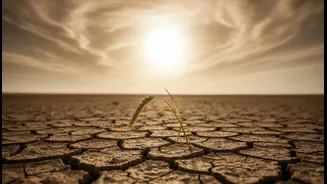
For the more than half of Indian farmers who depend on rain-fed agriculture, this new unpredictability is a crisis. The timing of the first rains is critical for sowing crops like rice, cotton, and soybean. A delayed monsoon means farmers wait, running the risk of a compressed and less productive growing season. If they plant after a 'false start'—a couple of early showers followed by a long dry period—their seeds can fail to germinate, resulting in devastating losses and mounting debt. Climate models project that rising temperatures could significantly decrease yields of major crops like rice and wheat, threatening not just livelihoods but the nation's long-term food security.
Our Cities Under Siege
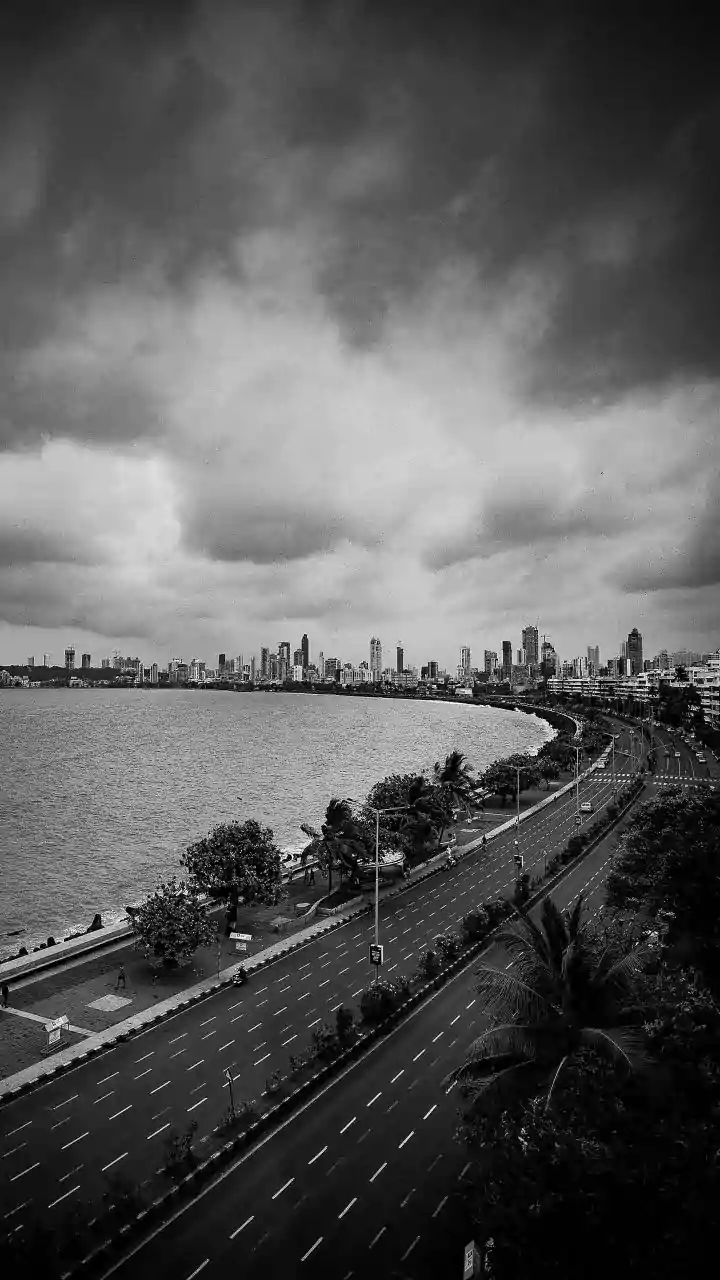
It’s not just rural India that is struggling to cope. Urban centres are facing their own version of the crisis. Much of India's urban drainage infrastructure was designed for an older, more predictable monsoon. It is simply not equipped to handle the intense, concentrated rainfall events that are becoming more common. The result is increasingly frequent and severe urban flooding, which paralyses cities, damages property, and poses a serious public health risk. Simultaneously, a delayed monsoon can lead to severe water shortages in these same cities, forcing municipal bodies to impose restrictions just weeks before the deluge arrives.
A Forecasting Nightmare
The people tasked with predicting this chaos are facing an unprecedented challenge. Warming seas and altered atmospheric patterns are making historical models less reliable. The complex interplay between factors like El Niño, the Indian Ocean Dipole, and new phenomena like marine heatwaves makes long-range forecasting incredibly difficult. Forecasters can no longer just predict a "normal" or "deficient" season; the crucial information is now about a monsoon's character—its timing, distribution, and intensity. This requires a shift towards more granular, localised forecasting to provide actionable advice for everyone from a farmer in Vidarbha to a city planner in Mumbai.