





The humble pepper shaker is a fixture on nearly every dining table, but what's inside is more complex than you might think. Not everything we call a peppercorn is actually pepper. Let's crack open the secrets of this essential spice and its impostors.
What Makes a Peppercorn 'Genuine'?
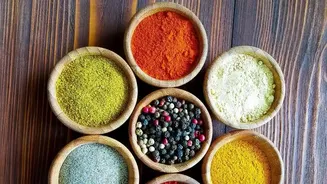
A true peppercorn is the fruit of a single flowering vine: Piper nigrum, which is native to the Malabar Coast of southern India. These small berries, technically called drupes, are responsible for the world's supply of black, white, green, and even red peppercorns. The different colours aren't different species; they are the result of harvesting the same berry at various stages of ripeness and processing it in different ways. Black peppercorns, the most common variety, are cooked and dried unripe green berries. White peppercorns come from fully ripe berries that have had their outer skin soaked off, resulting in a milder, earthier flavour. Green peppercorns are unripe berries that are preserved to maintain their fresh, less pungent taste, while red peppercorns are the fully ripe berries, which are rarer and have a fruity heat.
The Impostor: Pink Peppercorns
Despite their name and appearance, pink peppercorns are not from the Piper nigrum vine. They are the dried berries of the South American pepper tree, either Schinus molle or Schinus terebinthifolius. Their flavour is vastly different from true pepper; instead of pungent heat, they offer a delicate, fruity, and slightly pine-like sweetness. This makes them a beautiful garnish for fish, salads, and even desserts like ice cream. There's an important distinction to be aware of: the pepper tree is part of the cashew family (Anacardiaceae). This means individuals with tree nut allergies, particularly to cashews or pistachios, may have an allergic reaction to pink peppercorns.
The 'Numbing' Newcomer: Szechuan Peppercorns
Another famous lookalike is the Szechuan (or Sichuan) peppercorn. This spice is not related to true pepper or even the pink variety. It is the dried outer husk of berries from the prickly ash tree, which belongs to the citrus family (Zanthoxylum). Native to China's Sichuan province, its claim to fame isn't heat but a unique tingling, buzzing, and numbing sensation on the tongue known as 'málà'. This effect comes from a molecule called hydroxy-alpha-sanshool, which activates tactile nerve receptors rather than heat receptors. Szechuan peppercorns deliver a citrusy, floral aroma and are a cornerstone of Sichuan cuisine, essential for dishes like mapo tofu and dan dan noodles. Unlike true peppercorns, the inner seed is typically discarded as it has a gritty texture.
The Historic Alternative: Grains of Paradise
Grains of Paradise, or Aframomum melegueta, are another spice historically used as a pepper substitute. Native to West Africa, these small reddish-brown seeds belong to the ginger family, Zingiberaceae, alongside cardamom and turmeric. They have a complex flavour profile that is peppery but also carries notes of citrus, ginger, and cardamom. In medieval Europe, they were a prized and expensive spice, sometimes used to stretch or replace the even more valuable black pepper. Today, they are enjoyed for their unique aromatic warmth that can complement a wide variety of dishes, from grilled meats to even apple pie.
Why Knowing the Difference Matters
Understanding these distinctions is about more than just trivia; it has real culinary implications. Swapping Szechuan peppercorns for black pepper in a bechamel sauce would create a startlingly citrusy, numbing result instead of a familiar warmth. Using pungent black pepper where a recipe calls for the delicate, fruity notes of pink peppercorns could easily overpower a dish. Each of these spices offers a unique sensory experience. Genuine peppercorns provide the classic pungency from the compound piperine, Szechuan gives a floral tingle, pink peppercorns add a sweet and resinous touch, and grains of paradise contribute a warm, aromatic complexity. By knowing which is which, you can use them to their full potential, creating more nuanced and flavourful food.