






Understanding the Damage Below
When soil becomes saturated, the tiny air pockets that roots and beneficial microbes need to breathe fill with water. This creates an anaerobic (oxygen-deprived) environment. Beneficial aerobic organisms die off, while anaerobic microbes, some of which
can be harmful to plants, begin to dominate. This shift disrupts nutrient cycling, as the microorganisms responsible for making nutrients available to plants are no longer present or active. The result is a compacted, lifeless soil structure where plants struggle to survive, often leading to root rot and nutrient deficiencies.
First Step: Wait and Aerate
As tempting as it is to rush in, experts advise against working on saturated soil. Walking on or tilling wet ground will only increase compaction, making a bad situation worse. Wait until the soil is no longer dripping wet but is still workable. The first physical intervention should be to reintroduce air. For smaller areas, this can be done by simply pushing a garden fork into the ground every few inches and gently rocking it back and forth. This process, known as aeration, creates channels for water to drain and, crucially, for oxygen to return to the root zone, providing immediate relief.
Replenish with Organic Matter
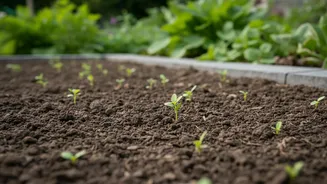
Organic matter is the single most important ingredient for reviving a waterlogged garden. Adding a generous layer (two to four inches) of well-rotted compost, aged manure, or leaf mould is critical. This serves a dual purpose. Firstly, it improves soil structure, creating aggregates that prevent future compaction and improve drainage. Secondly, it acts as a food source for the surviving beneficial microbes and introduces a new, diverse population of microorganisms back into the soil. This combination provides the foundation for rebuilding a healthy soil food web.
The Protective Power of Mulch
Once you have aerated and amended the soil, applying a layer of organic mulch is a vital next step. Mulch helps regulate soil moisture, preventing the surface from drying out too quickly and cracking while also shielding it from the compacting force of future heavy rains. It also provides a slow-release food source for the earthworms and microbes you are trying to encourage. As the mulch breaks down, it continues to add valuable organic matter to the soil, further enhancing its structure and fertility over time.
Advanced Recovery: Cover Crops and Inoculants
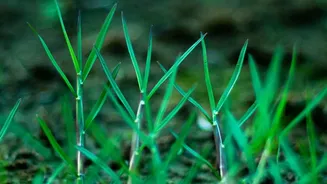
For gardens that have been severely impacted, or for gardeners wanting to accelerate recovery, there are further options. Planting a cover crop, such as clover or ryegrass, can be highly effective. The roots of these crops help to break up compacted soil and their foliage protects the surface. When tilled back into the garden, they add a significant boost of organic matter. Additionally, using a microbial inoculant can help to reintroduce specific beneficial bacteria and fungi. These products, often applied with compost, can jumpstart biological activity and help restore the complex web of microbial life more quickly.