


The Allure of an Iconic Cut
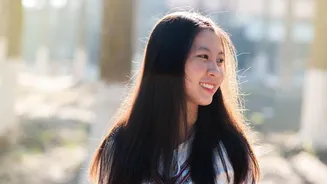
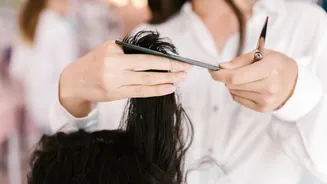
Made famous by stars like Farrah Fawcett in the 1970s, the feathered hairstyle is defined by its soft, textured layers that sweep back and away from the face, resembling the feathers of a bird. Unlike a simple layered cut, feathering involves a specific
technique, often using a razor, to create a lighter, more airy effect with blended, wispy ends. The result is a look that provides incredible movement, volume, and a touch of bohemian glamour. Today, its resurgence is seen everywhere, from social media to the red carpet, because it offers a timeless, effortlessly chic vibe that can be adapted for modern sensibilities.
What to Ask Your Stylist
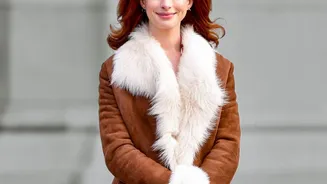
To get the authentic feathered look, clear communication with your hairstylist is key. Don't just ask for 'layers'. Instead, specify that you want soft, feathered layers that are designed to be styled away from your face. Mention face-framing pieces, starting around the cheekbones or jawline, and discuss adding curtain bangs, which were a hallmark of the original 70s style. You can bring in photos of classic examples like Farrah Fawcett or modern interpretations on celebrities to ensure you're both on the same page. The goal is to have shorter layers that create volume at the crown and longer layers that maintain length while adding movement.
Achieving Soft Volume at Home
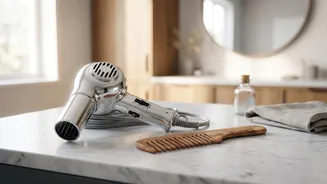
Styling is essential to bringing feathered layers to life. Start with damp hair and apply a volumizing mousse or root-lifting spray, focusing on the roots to build a foundation of body. When blow-drying, use a large round brush. As you dry each section, lift the hair at the roots and pull it away from your face, curling the ends outward. This technique creates the signature 'flick' or 'flip' that defines the style. For extra volume and staying power, hot rollers can be a great tool; set them so the hair curls away from your face. Once your hair is dry, you can use your fingers to gently tousle the layers and finish with a light-hold hairspray or a texturizing spray to enhance the airy feel without making it stiff.
Modern Twists on a Classic
While the classic 70s feather cut was often worn on long, straight hair, today's versions are incredibly versatile. The style can be adapted for short bobs, medium-length shags, and even wavy or curly textures. Modern interpretations like the 'wolf cut' or 'butterfly cut' borrow heavily from 70s feathering principles, featuring choppy layers and lots of movement. The key difference is that today's look is often less 'perfect' and more lived-in. You can embrace your natural texture, allowing waves to enhance the layered effect, or opt for a sleeker finish with a flat iron, flicking the ends out to accentuate the cut.
Is the Feathered Cut Right for You?
One of the reasons for the feathered cut's enduring popularity is its versatility. The face-framing layers can be customized to flatter almost any face shape. The added volume at the crown is particularly great for those with fine or flat hair, as the layers create the illusion of thickness and body without sacrificing length. For those with very thick hair, a stylist can use feathering techniques to remove excess weight, making the hair feel lighter and more manageable. Whether you have straight hair that's perfect for creating those defined flicks or wavy hair that adds a natural, bohemian texture, this style is all about celebrating movement and a free-spirited aesthetic.