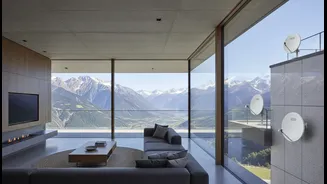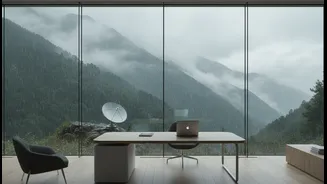





The New Frontier of Remote Work
For years, the term 'digital nomad' conjured images of baristas working from bustling city cafes or co-working spaces in places like Goa or Bengaluru. The lifestyle offered freedom, but it was still tethered to urban infrastructure. Now, a more radical
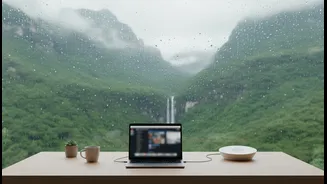
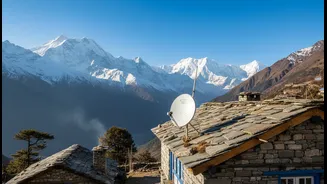
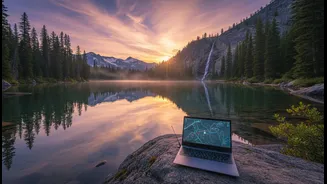
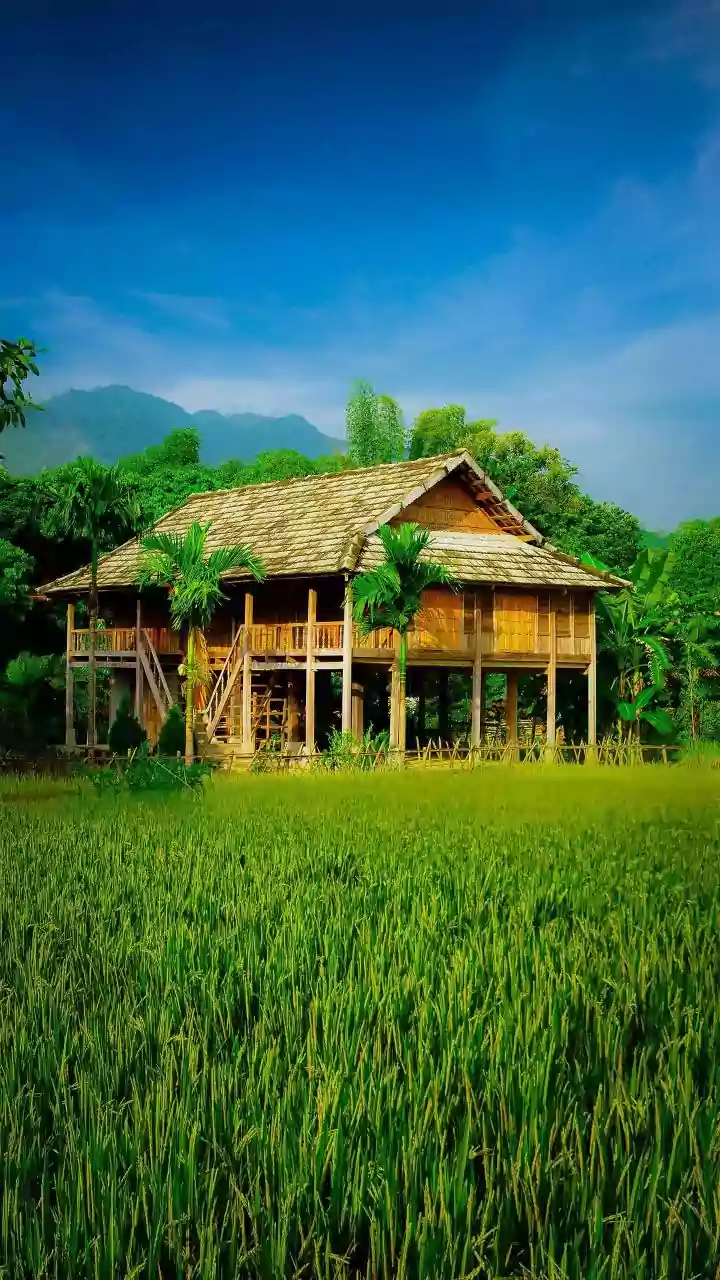
form of remote work is taking hold. Professionals are trading cityscapes for vast, natural landscapes, from the Himalayas to remote coastlines. This shift is not just about a change of scenery; it's a deliberate move away from the distractions and costs of urban life toward something quieter and more profound. The core promise is simple: to live and work in places that were previously considered 'off-grid' without sacrificing professional connectivity.
The Satellite Internet Game-Changer
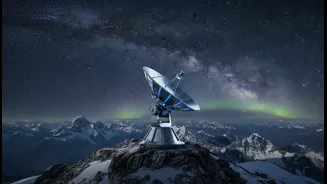
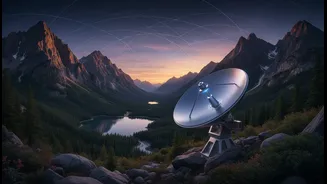
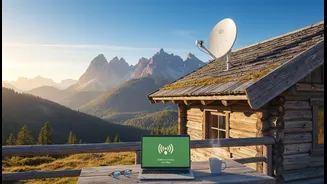
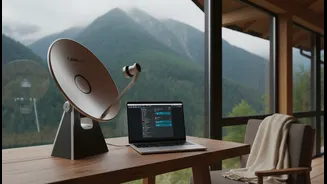
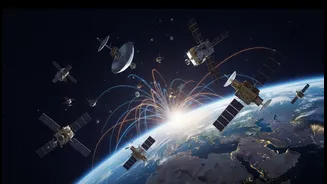
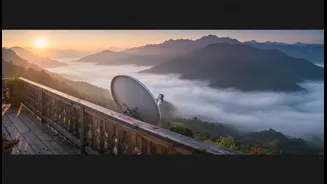
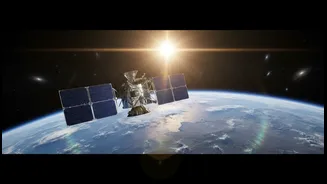
The key to unlocking this new lifestyle is low-Earth orbit (LEO) satellite internet, most famously provided by services like Starlink. Unlike traditional satellite connections that were slow and laggy, modern LEO networks offer high-speed, low-latency internet comparable to terrestrial broadband. This technology beams connectivity directly from space, bypassing the need for physical cables or cell towers, which are often non-existent in remote areas. For a digital nomad, this means the ability to reliably participate in video calls, use cloud-based platforms, and transfer large files from a vehicle, a remote cabin, or a temporary campsite. It effectively removes the last major barrier that kept professionals tied to populated centres.
The Psychology of Scenic Solitude
The appeal of this lifestyle runs deeper than just a pretty view from your desk. Research and anecdotal evidence strongly suggest that working in natural environments can significantly boost mental well-being and productivity. Exposure to nature has been shown to reduce stress, improve mood, and enhance cognitive functions like creativity and focus. By removing the constant interruptions and ambient stress of city life, scenic solitude allows for more 'deep work'. Many who have made the switch report a better work-life balance, reduced anxiety, and a greater sense of fulfillment as they disconnect from the digital noise while remaining connected to their work.
Beyond the Beautiful Backdrop
While the views are a major draw, the practical benefits are just as compelling. Living in rural or remote areas often means a significantly lower cost of living compared to major urban hubs, allowing digital nomads to save money or work fewer hours. It also offers an opportunity for deeper cultural immersion and a slower, more intentional pace of life. Instead of rushing through commutes, days are structured around work and activities like hiking, gardening, or simply enjoying the quiet. This shift allows people to build a lifestyle that aligns more closely with their personal values, rather than one dictated by the location of an office.
The Reality Behind the Dream
Of course, this lifestyle is not without its challenges. The upfront cost for satellite equipment can be substantial, and monthly subscription fees add to the expense. The connection, while reliable, can be affected by factors like severe weather or the need for a clear, unobstructed view of the sky. Furthermore, it requires a significant amount of power, which can be a hurdle in truly off-grid setups. Beyond the technical aspects, there's the human element of potential isolation and the discipline required to remain productive without the structure of a traditional office environment.