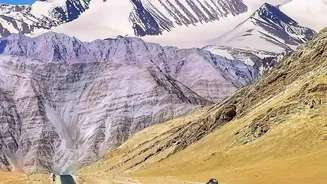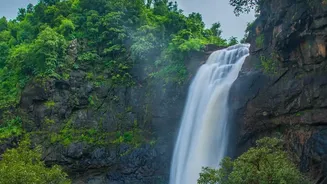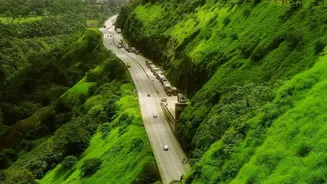



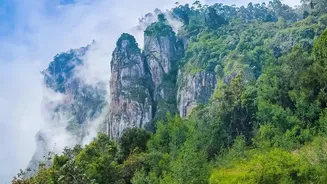
The end of the monsoon paints Coorg and the Western Ghats in vibrant shades of green, with waterfalls in full flow. But this beauty comes with a caution: roads can be unpredictable. Here is what you need to know before you travel.
The Post-Monsoon Travel Landscape
October and November
are popular months to visit the Kodagu district, as the landscape is lush and temperatures are pleasant. However, the soil remains saturated from months of rain, and the weather can still be unpredictable, with intermittent showers and misty conditions. While the southwest monsoon's peak has passed, its after-effects on the hilly terrain require careful planning. Landslides, damaged roads, and repair work can disrupt travel plans, making it essential for tourists to stay updated on local conditions. In previous years, heavy rains have caused significant disruptions, prompting authorities to occasionally restrict access to vulnerable areas like waterfalls and rivers for safety.
Main Artery: Status of NH-275
National Highway 275 is the primary corridor connecting Bangalore and Mysore to Madikeri. The stretch from Bangalore to Mysore is a 6-lane expressway, which significantly cuts down travel time. Beyond Mysore, the highway continues towards Coorg, passing through towns like Hunsur and Kushalnagar. While this route is generally considered one of the more reliable ways to enter Coorg, travelers should be aware of ongoing works. The NHAI is in the process of developing a new 4-lane Mysuru-Madikeri Economic Corridor that will run parallel to the existing NH-275, with land acquisition and preliminary work underway. This long-term project aims to improve connectivity but may cause intermittent slowdowns on the current route. Always budget extra time for your journey.
Navigating the Ghat Sections
The ghat roads, such as Shiradi and Charmadi, are the most vulnerable sections in the Western Ghats post-monsoon. These routes are lifelines connecting the coast with the hinterland but are notoriously prone to landslides and damage during heavy rainfall. In recent weeks, heavy rains across south interior Karnataka and neighbouring states have led to alerts and disruptions in other ghat sections, highlighting the ongoing risks. Authorities often close these roads for urgent repairs or as a preventive measure during severe weather warnings. Before starting your journey, it is crucial to check the real_time status of both Shiradi and Charmadi Ghats, as a closure on one often leads to increased traffic and pressure on the other.
Local Closures in Madikeri: Raja Seat Road
Even within Coorg's main town, Madikeri, local road works can affect sightseeing. As of late October 2026, the popular tourist spot Raja Seat is impacted by a significant road closure. The Raja Seat Road has been shut down for a period of five weeks to allow for concreting work to fix its perennially poor condition. The project began after a directive on October 23. While emergency vehicle access might be possible before the concrete is poured, the road will be completely closed to traffic during the main construction phase. This means tourists will not be able to access Raja Seat via this primary route. Visitors should check for alternative access points or expect the attraction to be closed during this five week period.
Essential Safety Tips for Drivers
Driving in the Western Ghats after the monsoon demands caution. Roads can be slippery, and visibility is often reduced by fog, especially in the early mornings and evenings. It is advisable to drive during daylight hours and avoid travelling during active weather alerts issued by the IMD. Do not rely solely on GPS, as it may not be updated with the latest closures or suggest unsafe smaller roads. Stick to the main state and national highways recommended by local authorities. Given the continued possibility of rainfall, check your vehicle's tyres, brakes, and wipers before you leave. With some roads still awaiting permanent repairs after rain-related damage, be prepared for uneven surfaces and patchwork.