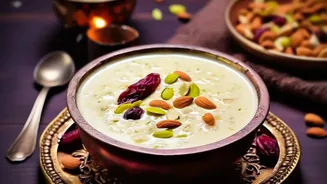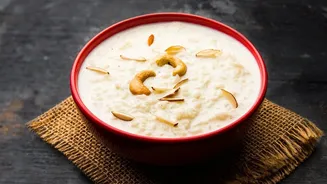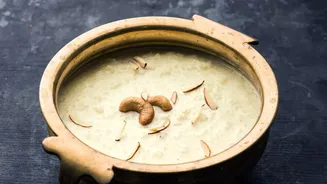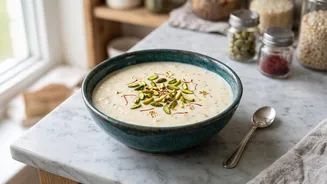



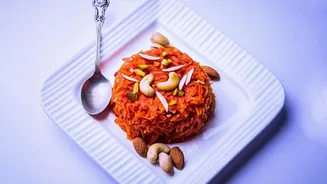


As the air turns cooler, India’s dessert landscape shifts. Enter Sitaphal Phirni, a glorious seasonal treat that marries the creamy, comforting embrace of a classic rice pudding with the luscious sweetness of fresh custard apple.
A Beloved Classic Reimagined
Phirni is a cornerstone
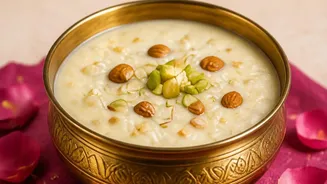
of North Indian desserts, a slow-cooked pudding made from ground rice, milk, and sugar. Its texture is what sets it apart from its cousin, kheer; where kheer uses whole rice grains, phirni is defined by its smoother, yet slightly grainy consistency achieved by using coarsely ground rice. Traditionally flavoured with cardamom and saffron, it's often served chilled in small earthenware bowls called 'shikoras', which absorb excess moisture and impart a subtle, earthy aroma. While phirni is a timeless dessert enjoyed at festivals and celebrations, its simple, creamy base makes it the perfect canvas for seasonal innovation.
The Star of the Season: Sitaphal
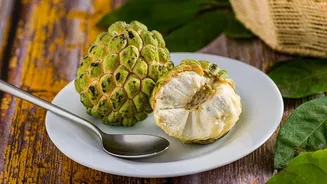
Sitaphal, or custard apple, is a fruit that signals the arrival of India's winter season. Available for just a few short months, typically from the end of the monsoon through February, its appearance in markets is eagerly awaited. The lumpy, green exterior hides a treasure: fragrant, creamy white flesh with a flavour often described as a blend of vanilla, pear, and caramel. This natural sweetness and custardy texture make it a beloved fruit to be eaten on its own, but also a prized ingredient in desserts like ice creams, milkshakes, and of course, phirni.
A Match Made in Dessert Heaven
The combination of sitaphal and phirni is nothing short of genius. The mild, milky sweetness of the phirni provides the perfect backdrop for the distinct, tropical notes of the sitaphal pulp. The granular texture of the rice pudding is beautifully complemented by the soft, slightly slippery consistency of the fruit segments. The process involves preparing the classic phirni first, letting it cool slightly, and then gently folding in the fresh, de-seeded custard apple pulp. This ensures the delicate flavour of the fruit isn't lost to heat and remains the star of the show. The result is a dessert that is both familiar and excitingly new.
Crafting the Perfect Bowl
Making Sitaphal Phirni at home is a rewarding process that hinges on a few key techniques. The first is preparing the rice; it should be soaked and then ground into a coarse paste, not a fine powder, to achieve phirni's signature texture. The second is patience. The milk and rice paste must be cooked on a low flame, stirred continuously to prevent lumps and ensure the mixture thickens to a rich, creamy consistency. Finally, and most crucially, the sitaphal pulp must be added only after the phirni has cooled down from boiling hot to warm. Adding it to a very hot mixture can alter the fruit's flavour. The biggest labour of love is de-seeding the fruit, a process that must be done by hand to separate the creamy pulp from the inedible black seeds without crushing them.
Enjoying This Seasonal Delight
Sitaphal Phirni bridges the gap between traditional festive sweets and modern culinary creativity. It retains the soul of a classic mithai while celebrating a seasonal fruit. While some highnd restaurants and sweet shops offer it during the season, its fleeting availability makes it a true delicacy. It’s best served chilled, allowing the flavours to meld and the pudding to set completely. Garnished with slivered pistachios or almonds for a bit of crunch, it’s a dessert that perfectly captures the essence of the season in every spoonful. It's a reminder of the simple joys of eating locally and seasonally, a delicious ritual to mark a special time of year.