




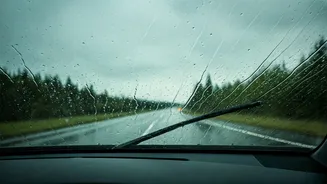


Prep Your Vehicle Before the Rain Hits
The safest rainy-day drive begins in your driveway, long before the first drop falls. Your car's condition is your first line of defence. Start with your tyres. Ensure they have adequate tread depth (use a one-rupee coin; if the year is visible, it’s
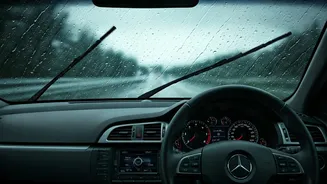
time for a change). Proper tread helps channel water away and prevents skidding. Equally crucial are your wiper blades. If they leave streaks or make scraping noises, replace them. A clear view is non-negotiable. Finally, check all your lights—headlights, taillights, brake lights, and indicators. In a downpour, being visible to others is as important as your own ability to see.
Master the Art of Seeing and Being Seen
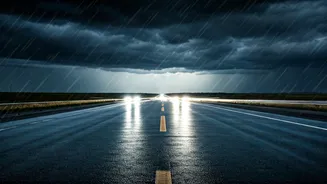
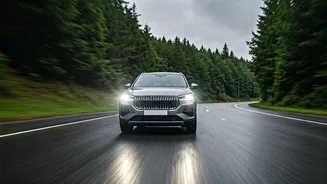
When visibility drops, common sense might suggest using high beams. This is a mistake. High beams reflect off the millions of raindrops, creating a wall of glare that worsens your vision. Instead, use your low beams. This directs light downwards onto the road, illuminating your path without blinding you or oncoming traffic. If your car has fog lamps, now is the time to use them, as they provide a wider, lower beam. Most importantly, turn your headlights on even during a daytime shower. It’s not just for you to see the road; it’s to make your vehicle visible to every other driver, cyclist, and pedestrian navigating the grey, misty conditions.
Understand Hydroplaning and Braking
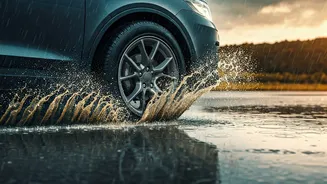
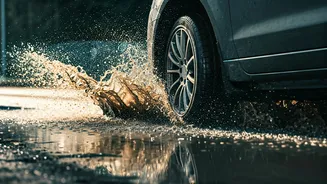
The single greatest danger on wet roads is hydroplaning. This occurs when a layer of water builds up between your tyres and the road surface, causing a loss of traction and control. It feels like skating on ice. To avoid it, reduce your speed significantly. If you do start to hydroplane, do not panic and slam the brakes. Instead, ease your foot off the accelerator and steer gently in the direction you want to go until your tyres regain grip. Remember that braking distance can more than double on wet surfaces. Increase your following distance to at least five to six seconds behind the vehicle in front of you. This gives you the time and space needed to brake smoothly and safely.
Navigating Waterlogged Streets
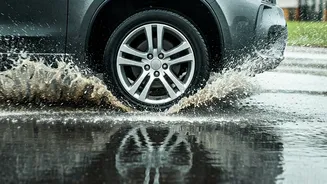
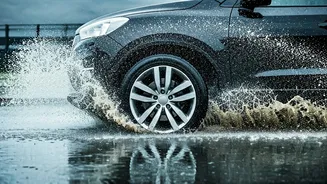
In India, monsoons often mean waterlogging. Approaching a flooded patch is a moment for caution, not courage. If you cannot see the road surface or the footpath, it’s too deep. Find another route. If you must proceed through shallow water, do so one car at a time. Stay in a low gear (first or second) and keep your engine revs up to prevent water from entering the exhaust pipe. Drive through the centre of the road, where the water is usually shallowest, creating a small 'bow wave' with your car. Once you're through, tap your brakes gently a few times. This helps dry the brake pads and discs, ensuring they work effectively when you next need them.
Beware of Hidden Dangers
A sheet of water can hide a multitude of sins—deep potholes, open manholes, and debris that could wreck your tyres or suspension. This is another reason why speed is your enemy in the rain. A slower pace gives you a better chance to spot disturbances on the water's surface that might indicate a hazard below. It also reduces the impact if you do hit an unavoidable pothole. Keep an eye on the vehicles ahead. If they swerve suddenly, there's likely a good reason. By maintaining a safe distance, you give yourself the room to react and navigate around these hidden traps rather than becoming another victim of them.
When Pulling Over Is the Smartest Move
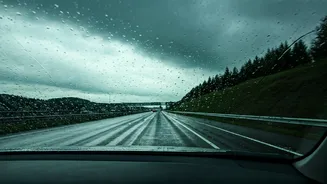
There are times when the only safe decision is to stop driving. If the rain becomes so intense that your wipers can't keep up and you can't see the edges of the road or other vehicles, it's time to pull over. Signal early, pull off the road as far as possible, and turn on your emergency hazard lights. Avoid stopping under trees or power lines, which can be unstable in a storm. If your car stalls or breaks down, stay inside. A car is the safest place to be during a thunderstorm. Wait for the worst of the downpour to pass before attempting to continue your journey.