


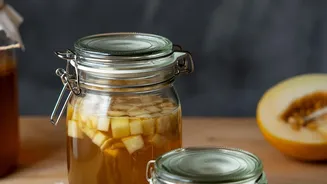
From Trash to Treasure
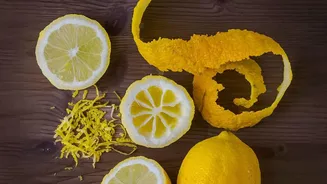
In many kitchens, the fate of a lemon rind is a swift trip to the compost or bin. But these vibrant yellow peels are culinary gold hiding in plain sight. They are packed with aromatic essential oils, vitamins, and fibre. Specifically, lemon peels are a great
source of Vitamin C, calcium, potassium, and fibre. By preserving them, you not only reduce food waste but also unlock a potent ingredient that is a staple in North African and Middle Eastern cuisines. The process transforms the peel's bitterness into a complex, savoury, and intensely lemony flavour that is impossible to replicate with fresh lemons alone.
The Gut-Friendly Magic of Fermentation
The secret to making these preserves “gut-friendly” lies in lacto-fermentation. This age-old preservation method uses only salt and the lemon's own juices. During this process, beneficial bacteria, known as lactobacillus, which are naturally present on the lemon, begin to convert the fruit's sugars into lactic acid. This creates an environment where 'bad' bacteria can't thrive, while the 'good' probiotic bacteria multiply. When consumed (and not cooked), these probiotics can help support a healthy gut microbiome, which is linked to better digestion and overall wellness. It's important to note that many store-bought preserved lemons are pasteurised, which kills these beneficial bacteria, making a homemade batch the best option for gut health benefits.
A Simple Recipe for Preserved Lemons
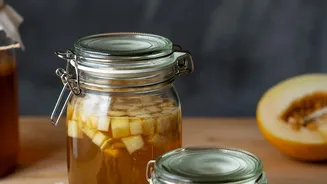
Making your own preserved lemons is surprisingly easy and requires just two main ingredients. You will need: a sterilised glass jar with a tight-fitting lid, several organic lemons (as you'll be eating the peel), and coarse sea salt or kosher salt. 1. Prep your lemons: Wash the lemons thoroughly. Trim the very ends of each lemon. Standing a lemon on one of its flat ends, slice it downwards into quarters, but stop before you cut all the way through, leaving the base intact so the lemon holds together. 2. Salt generously: Pry open a lemon and pack it generously with salt, about one tablespoon per lemon. Don't be shy; the salt is crucial for the preservation process. 3. Pack the jar: Place a layer of salt at the bottom of your sterilised jar. Start packing the salted lemons into the jar, pressing them down firmly to release their juices. The goal is to squeeze them in as tightly as possible. 4. Submerge and seal: Once all the lemons are packed in, the juice they've released should rise. If the lemons aren't fully submerged in juice, top up the jar with freshly squeezed juice from another lemon. Ensure the lemons are completely covered by the liquid brine. Seal the jar tightly.
Patience and The Payoff
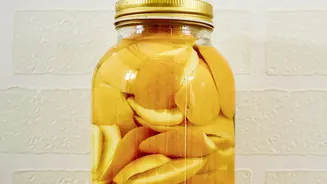
Now comes the waiting game. Leave the jar at room temperature in a cool, dark place for about three to four weeks. For the first few days, you can give the jar a gentle shake or turn it upside down and back again daily to help distribute the salt and juices. Over the weeks, you'll notice the rinds softening and the brine becoming slightly thicker. They are ready when the peels are very soft and have lost their raw bitterness. Once you're happy with the flavour and texture, you can transfer the jar to the refrigerator, where the preserved lemons will keep for at least six months, if not longer.
How to Use Your Tangy Creation
Before using, take out a wedge of lemon and rinse it well under cold water to remove the excess salt. Most recipes call for just the rind, so you can scrape away the now-mushy pulp, although the pulp can also be used. Finely chop the rind and get ready to add a burst of flavour to countless dishes. Preserved lemon is a classic ingredient in Moroccan tagines, but its uses are nearly endless. You can toss it into grain salads like couscous or quinoa, add it to salad dressings and vinaigrettes, stir it through pasta sauces, or use it to brighten up roast chicken, fish, and vegetables. It's also a fantastic addition to dips like hummus or even guacamole.