



1. Makhan Mishri
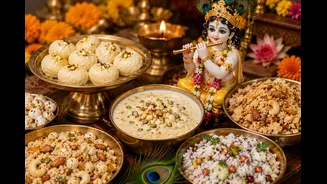
No Janmashtami bhog is complete without Makhan Mishri, a nod to Krishna's famous love for butter. This is the easiest prasad to prepare and requires no cooking at all. To make it, take one cup of fresh, unsalted white butter (makhan) in a bowl. If you
can't find it, you can make it at home by churning chilled fresh cream until the butter separates from the buttermilk. Once you have the butter, simply mix in two to three tablespoons of mishri (rock sugar crystals). You can also add a few strands of saffron or chopped nuts. Offer it immediately with a tulsi leaf on top.
2. Dhaniya Panjiri
This is a special panjiri made for Janmashtami, as many devotees avoid grains while fasting. Instead of flour, it uses roasted coriander powder, giving it a unique, aromatic flavour. To start, dry roast one cup of coriander seeds on low heat until fragrant, then let them cool and grind them into a powder. In a pan, heat three to four tablespoons of ghee and lightly roast a quarter cup of chopped nuts like almonds and cashews. Add the coriander powder and roast for another minute until it's fragrant and golden. Turn off the heat, let it cool slightly, then mix in half a cup of powdered sugar and half a teaspoon of cardamom powder.
3. Panchamrit
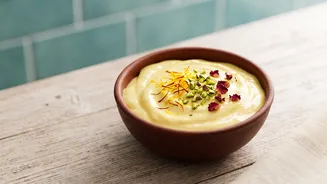
Panchamrit, meaning 'five nectars', is a sacred offering used in pujas. It's a simple blend of five key ingredients, each with its own significance. To prepare this holy concoction, take a clean bowl and combine one cup of raw milk, half a cup of curd (yogurt), one tablespoon of honey, one teaspoon of ghee, and two tablespoons of sugar. Gently stir the ingredients together until everything is combined, but do not whisk or blend it vigorously. You can enhance it by adding chopped nuts or makhana (fox nuts). Finish by adding a few fresh tulsi leaves before offering it as bhog.
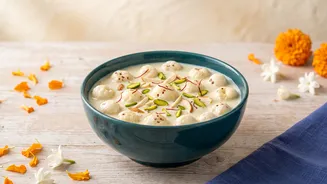
4. Makhana Kheer
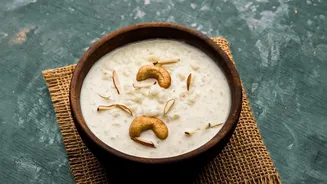
A creamy and delightful dessert, Makhana Kheer is perfect for festive occasions and fasting. Makhana, or fox nuts, are light and nutritious, making this kheer a wholesome treat. First, heat a teaspoon of ghee in a pan and roast one cup of makhana until they become crisp. Set them aside and, once cooled, coarsely crush about half of them. In the same pan, bring two and a half cups of milk to a boil. Add the whole and crushed makhana to the milk and let it simmer on low flame for about 10 minutes, or until the makhana softens and the milk thickens slightly. Stir in three to four tablespoons of sugar and some cardamom powder, cook for another minute, and it's ready.
5. Gopalkala
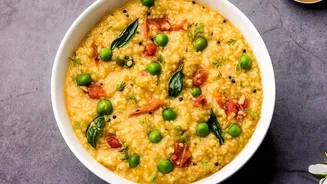
Gopalkala is a savoury and refreshing Maharashtrian dish that represents the meal Krishna shared with his friends. It’s a no-cook recipe that’s incredibly easy to assemble. Start by rinsing one cup of poha (beaten rice) and letting it soften for a few minutes. In a mixing bowl, combine the softened poha with half a cup of yogurt, one finely chopped cucumber, and salt to taste. For the tempering, heat a teaspoon of ghee in a small pan, add cumin seeds, and let them splutter. You can also add chopped green chilli and ginger. Pour this tempering over the poha mixture, mix well, and serve.
6. Coconut Ladoo
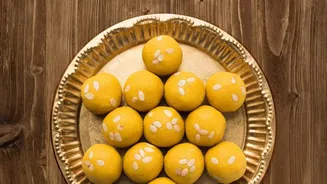
These quick and delicious ladoos are a festive favourite and can be made with just a few ingredients. The simplest version uses condensed milk, which cuts down the cooking time significantly. In a pan, lightly toast two cups of desiccated coconut over low heat for a minute or two. Add one cup of condensed milk and half a teaspoon of cardamom powder. Stir continuously and cook the mixture for about five minutes until it thickens and starts coming together, leaving the sides of the pan. Let the mixture cool down just enough so you can handle it. Grease your palms with a little ghee, take small portions of the mixture, and roll them into round ladoos. You can roll the finished ladoos in some extra desiccated coconut for a nice finish.