






The Rise of the Video Pitch
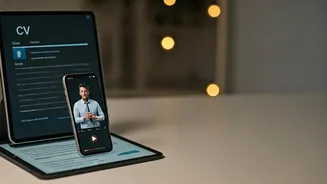
The classic CV isn’t dead, but it is facing stiff competition. Recruiters, often swamped with hundreds of applications for a single role, are increasingly turning to short video introductions to screen candidates more efficiently. In less time than it takes
to read a detailed cover letter, a 60-second video can offer a glimpse into a candidate’s communication skills, confidence, and overall energy. This trend is particularly prominent in fields where personality is a key asset—think sales, marketing, public relations, and customer-facing roles. Companies are discovering that a video can quickly answer a question that a resume can’t: ‘Will this person fit our team’s culture?’ It’s a dynamic first impression in an attention-starved world.
Beyond the Bullet Points
A traditional resume excels at listing qualifications, skills, and experiences. It’s a structured, factual document. A video introduction, however, tells a story. It showcases your soft skills in action—your ability to articulate ideas, your enthusiasm for the role, and your unique personality. For a generation raised on social media platforms like Instagram Reels and YouTube Shorts, communicating through video is second nature. This format allows you to demonstrate your passion, not just state it. A well-crafted video can convey warmth, creativity, and conviction in a way that bullet points on a page simply cannot. It transforms your application from a flat document into a memorable, three-dimensional pitch.
Is a Video Intro Right for You?
Before you set up your camera, consider if a video intro aligns with your industry and the specific role you’re targeting. For creative professionals, designers, and marketers, a video is a fantastic opportunity to showcase your creativity and personal brand. In sales, it can pre-emptively demonstrate the persuasive skills you’d bring to the job. However, for highly technical or academic roles—such as a data scientist or a research analyst—a portfolio of work, a GitHub repository, or a list of publications may still hold more weight. The key is strategic application. Don’t create a video just for the sake of it. Use it when the job description emphasizes communication, collaboration, or client interaction, as these are the qualities a video highlights best.
Crafting Your 60-Second Story
A great video intro is not an improvised ramble; it’s a concise, scripted performance. Start with a clear structure. First, a hook: introduce yourself and the role you’re applying for. Second, your value proposition: briefly explain what makes you the perfect fit, highlighting one or two key achievements. Finally, a call to action: express your enthusiasm for the next steps. Pay attention to production quality. You don't need a film studio, but good lighting and clear audio are non-negotiable. Film against a clean, uncluttered background. Most importantly, let your personality shine. Smile, speak clearly, and maintain eye contact with the camera. The goal is to appear confident and approachable, not robotic.
The Potential Pitfalls to Avoid
While video introductions offer many advantages, they also come with risks. The most significant concern is the potential for unconscious bias. A video reveals a candidate's age, gender, ethnicity, and physical appearance, which can unintentionally influence a recruiter's decision-making process. This is a primary reason why many large corporations still rely on ‘blind’ resume-screening techniques to promote diversity and inclusion. Furthermore, there's the pressure to be a performer. Not everyone is comfortable or charismatic on camera, and this format could unfairly disadvantage talented, introverted candidates. To mitigate this, focus on authenticity over a polished performance. Recruiters value sincerity more than a slick presentation.