




Understanding the 'K' in Gold
Before diving in, it's crucial to understand what 'Karat' (K) means. Karat is the unit used to measure the purity of gold, on a scale of 24 parts. So, 24K gold means 24 out of 24 parts are pure gold. Anything less than 24K is an alloy, meaning it's mixed
with other metals to enhance its properties. It is important not to confuse this with 'carat,' which is a unit of weight for gemstones.
24K Gold: The Purest Choice
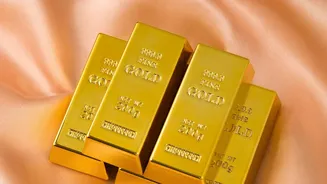
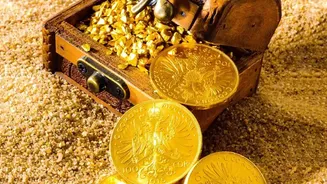
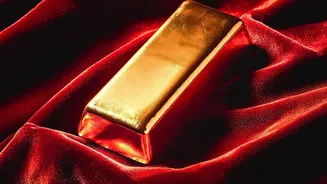
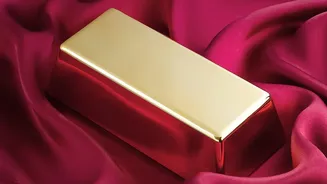
24K gold is the purest form available, typically 99.9% pure. This gives it a distinct, vibrant yellow colour that is unmatched. Because of its purity, 24K gold is seen as the best option for investment purposes, such as in the form of gold coins and bars. However, this purity comes with a downside for jewellery: softness. Pure gold is extremely malleable and soft, making it prone to scratching, bending, and deforming with daily wear. This is why you'll rarely find intricate jewellery made from 24K gold; it simply isn't strong enough to hold complex designs or secure gemstones reliably.
22K Gold: The Jewellery Standard
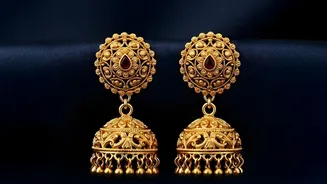
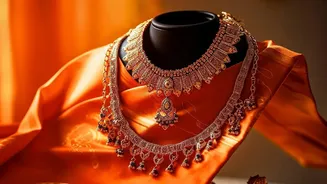
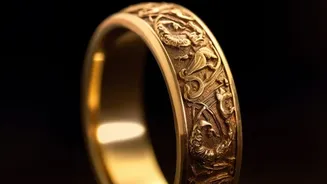
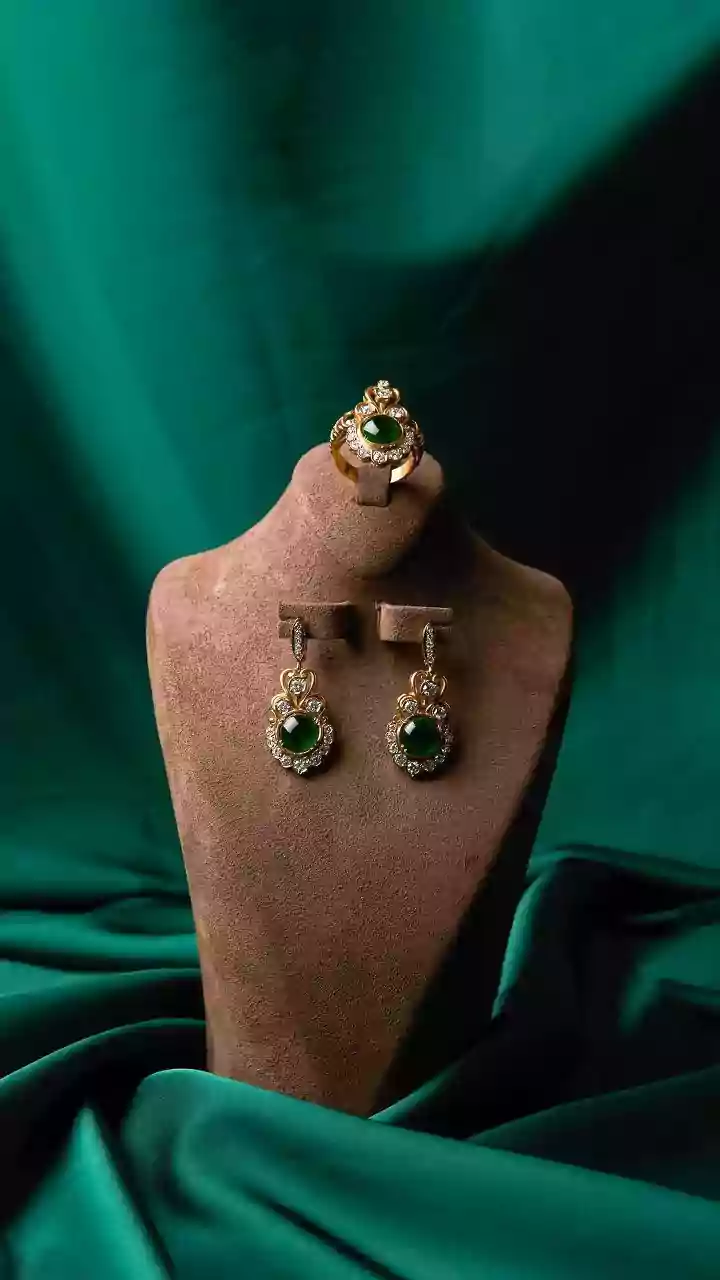
22K gold is the go-to choice for traditional Indian jewellery for a reason. It is composed of 22 parts gold and 2 parts other metals like silver, zinc, or copper, making it 91.6% pure. This is often stamped on jewellery with the number '916'. The addition of these alloys makes 22K gold significantly more durable and harder than 24K gold. This strength allows artisans to craft the elaborate and intricate designs that are characteristic of festive and bridal jewellery, which can withstand regular use.
Durability and Design: A Clear Winner
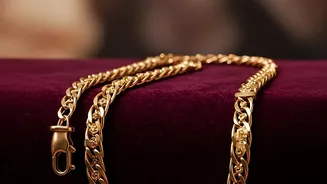
When it comes to jewellery that you intend to wear, durability is key. 22K gold offers the perfect compromise between high purity and practical strength. Its hardness ensures that bangles won't easily lose their shape and that delicate earring posts or necklace clasps won't bend out of place. While you can find some simple chains or pendants made from 24K gold, they require much more careful handling. For the rich, detailed craftsmanship seen in most festive collections, 22K gold is the only practical option that ensures your investment remains beautiful and wearable for years.
Price, Resale Value, and Making Charges
Naturally, 24K gold is more expensive per gram than 22K gold due to its higher purity. However, when buying jewellery, the final price also includes making charges, which are the costs for the labour involved. These can vary significantly depending on the jeweller and the complexity of the design. When it comes to resale, both are valuable. While 24K gold will fetch a price closer to the market rate for pure gold, you lose the making charges you paid. 22K jewellery also has strong resale value, especially in India where it is the standard. Jewellers will typically test the purity and deduct accordingly, but well-maintained, hallmarked 22K pieces are always in demand.
Making the Right Choice for You
So, how do you decide? The choice ultimately depends on your purpose. If your primary goal is pure investment and you plan to store the gold as an asset, 24K coins or bars are the logical choice. If you are buying jewellery to wear and cherish this festive season and beyond, 22K is the superior option. It offers the brilliance of high-purity gold combined with the necessary durability for wearable art. Always look for the BIS hallmark, which certifies the purity of your gold, whether it's 22K or 24K.