




The Humidity Effect: Why Skin Feels Sticky
That familiar sticky feeling during the rainy season isn't just in your head. High humidity means the air is already saturated with moisture, making it harder for sweat and excess sebum to evaporate from your skin's surface. This trapped layer of sweat,
oil, and daily pollutants creates a slick, uncomfortable film that can clog pores and lead to breakouts. Your sebaceous glands can even go into overdrive, producing more oil in response to the environmental stress, compounding the problem. The result is skin that feels greasy but is often dehydrated underneath, as this surface layer doesn't equal true hydration.
The Hydration Paradox: Why You Shouldn't Skip Moisturiser
It’s tempting to skip moisturiser when your face feels like an oil slick. However, this is one of the biggest mistakes you can make. Dehydrated skin often overcompensates by producing even more oil to protect itself, leading to a vicious cycle of shine and breakouts. A healthy skin barrier, which relies on a proper balance of oil and water, is crucial for protecting against environmental aggressors, pollutants, and bacteria that thrive in damp, humid conditions. Skipping hydration weakens this barrier, leaving your skin vulnerable. The key isn't to avoid moisture, but to choose the right kind of hydration that supports your skin without feeling heavy.
Your Lightweight Hydration Toolkit
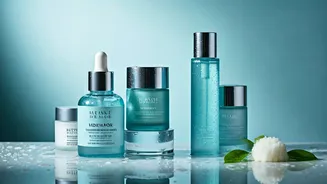
When it comes to monsoon skincare, the ingredients list is your best friend. Look for lightweight humectants that draw moisture into the skin without adding oil or weight. * **Hyaluronic Acid:** This powerhouse can hold many times its weight in water, delivering a surge of hydration that plumps the skin from within. It provides moisture without a heavy feel, making it perfect for humid weather. * **Glycerin:** An incredibly reliable and effective humectant, glycerin pulls moisture from the air and deeper skin layers to keep skin soft and hydrated. It is known for providing long-lasting moisture and strengthening the skin barrier. * **Niacinamide (Vitamin B3):** A true multi-tasker, niacinamide is ideal for the rainy season. It helps regulate sebum production to control shine, minimises the appearance of pores, calms inflammation, and strengthens the skin's barrier. This makes it excellent for managing the combination of oiliness and sensitivity that humidity can cause.
Texture is Everything: Choose Your Formula Wisely
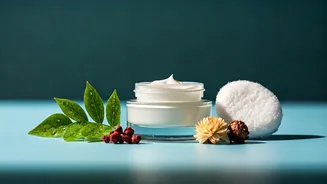
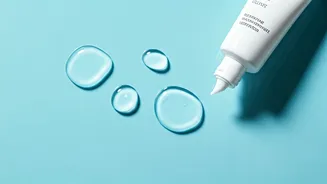
The secret to non-sticky hydration lies in the product's texture. Heavy, oil-based creams create an occlusive layer that can feel suffocating and trap sweat in high humidity. Instead, opt for water-based formulas that absorb quickly and feel weightless on the skin. * **Gel Moisturisers:** These are typically oil-free and have a high water content, giving them a light, bouncy texture that sinks in instantly without any greasy residue. They are a dream come true for oily and combination skin types. * **Serums:** Lightweight and packed with concentrated active ingredients, hydrating serums with hyaluronic acid or niacinamide deliver moisture deep into the skin before you even apply moisturiser. * **Gel-Creams:** Offering the best of both worlds, gel-creams provide more nourishment than a simple gel but with a much lighter feel than a traditional cream, making them a great option for most skin types during the monsoon.
A Simple, Non-Sticky Monsoon Routine
You don't need a complicated, multi-step routine to achieve balanced skin. Focus on these core steps: 1. **Cleanse Thoroughly:** Use a gentle, sulphate-free cleanser twice a day to remove the daily buildup of oil, sweat, and grime without stripping the skin. 2. **Hydrate with Layers:** Apply a lightweight hydrating serum (like one with hyaluronic acid or niacinamide) to damp skin. Follow up with a pea-sized amount of a gel or gel-cream moisturiser to lock in the hydration. 3. **Protect Daily:** Never skip sunscreen, even on cloudy or rainy days. UVA rays penetrate through clouds and contribute to skin damage. Look for a non-comedogenic, gel-based sunscreen with at least SPF 30 to provide protection without adding stickiness.