








A Historic Launch Cements a New Era
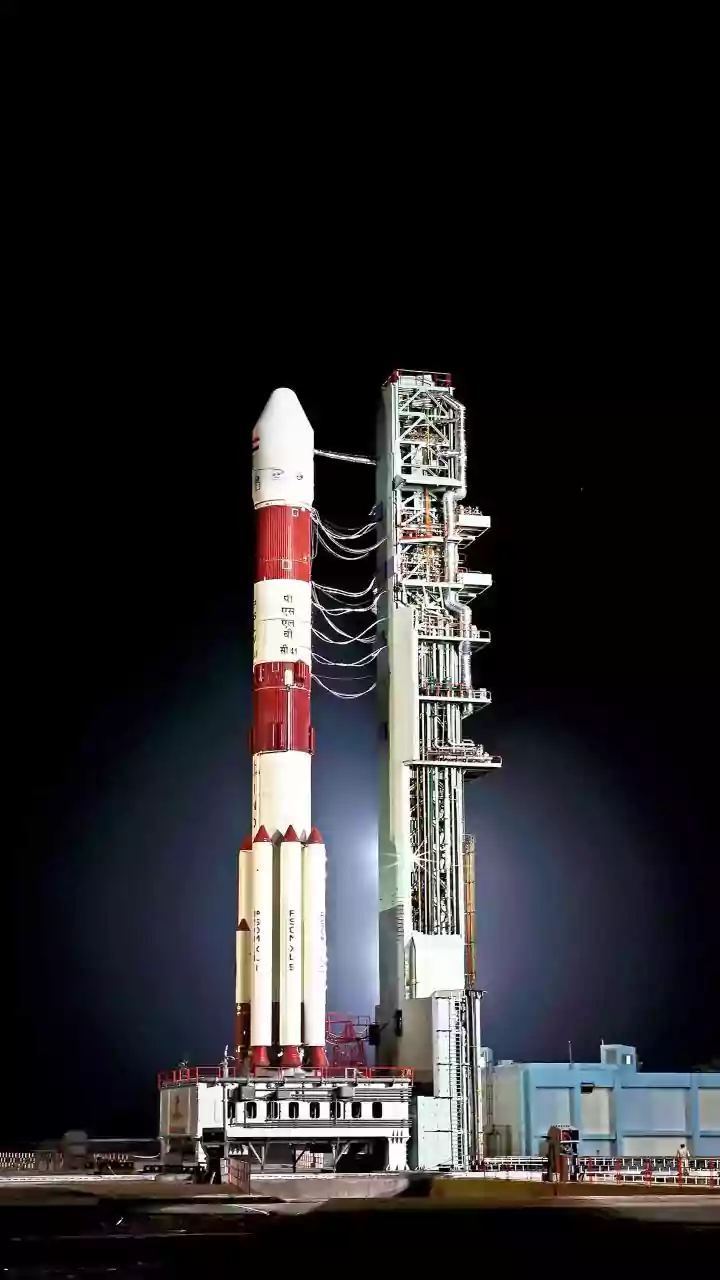
On July 18, all eyes will turn to Sriharikota as Skyroot Aerospace attempts the first-ever orbital launch by a private Indian company. The mission, named 'Aagaman' (Arrival), will see the Vikram-1 rocket lift off, aiming to deploy several small satellites
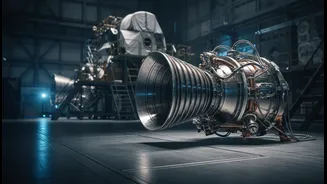
into Low Earth Orbit. This is a landmark event, moving beyond the suborbital flights of the past and signaling that India's private sector is ready for complex commercial space operations. The Vikram-1 itself is a testament to indigenous innovation; a seven-storey vehicle built with a carbon-composite structure and 3D-printed engines. For Hyderabad-based Skyroot, which has grown to a team of over 1,000 people, this launch is the culmination of years of work and foundational to its goal of providing regular, reliable satellite launch services. It marks a critical test of technology that could dramatically lower the cost of accessing space.
From IT Campuses to Launchpads
For decades, the dream career for many top Indian engineering graduates involved a multinational IT firm or a coveted position at a public sector undertaking. Today, that aspiration is rapidly changing. The rise of a vibrant domestic space-tech sector, energized by policy reforms and the success of ISRO's recent missions like Chandrayaan-3, is creating a powerful new magnet for talent. Companies like Skyroot, Agnikul Cosmos, Pixxel, and Dhruva Space are now competing directly with established industries for the best engineers. This shift is driven by the allure of working on cutting-edge, tangible products—from rockets and satellites to sophisticated propulsion systems. The Indian space economy is projected to grow from around $9 billion today to over $44 billion by 2033, and this growth is creating thousands of high-skilled jobs that didn't exist a decade ago.
The New Skillset in Demand
What does it take to be a space-tech engineer? The roles are diverse and highly specialized. Job postings from companies like Skyroot reveal a high demand for engineers in propulsion, avionics (the electronic systems of a spacecraft), and Guidance, Navigation, and Control (GNC). There is also a significant need for experts in materials science, particularly with composites, as well as software engineers to work on everything from simulation to flight control systems. The industry isn't just hiring aerospace engineers; it's actively recruiting from mechanical, electrical, and computer science streams and training them on the job. However, this rapid growth has created a talent crunch, with a shortage of specialists in niche fields forcing startups to invest heavily in upskilling talent from adjacent industries like automotive and robotics.
Policy and Ambition Fueling the Fire
This entire private space boom wouldn't be possible without a deliberate policy shift from the Indian government. The establishment of the Indian National Space Promotion and Authorisation Centre (IN-SPACe) in 2020 was a game-changer. It created a single-window agency to regulate and, crucially, promote private participation in the space sector. This reform granted startups access to ISRO's world-class testing facilities, launchpads, and technical expertise, significantly lowering the barrier to entry. Furthermore, liberalized FDI rules and dedicated venture funds are channeling much-needed capital into these deep-tech ventures, allowing them to scale up operations and hiring. With nearly 200 space startups now registered, the government's ambition to capture a larger share of the global space economy is being realized through this burgeoning public-private partnership.