




The Hidden Risk in Raw Sprouts
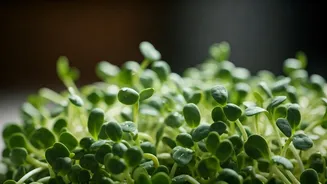
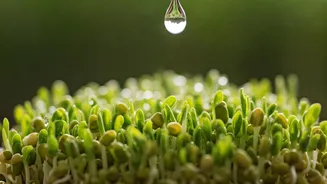
Moong sprouts are celebrated for their protein content, vitamins, and fibre. They're a staple in salads, chaats, and sabzis. However, the very process that creates sprouts—a warm, humid environment—is also a perfect breeding ground for harmful bacteria
like Salmonella, E. coli, and Listeria. The contamination often originates in the seeds themselves and can multiply rapidly during sprouting. While a healthy adult might only experience mild discomfort, for children, the elderly, pregnant women, and those with weakened immune systems, a foodborne illness from raw sprouts can be severe. Simply rinsing them under tap water is unfortunately not enough to eliminate these microscopic threats, as the bacteria can get inside the sprout itself.
The Gold Standard: Cook Your Sprouts
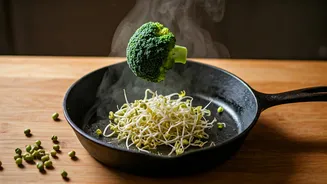
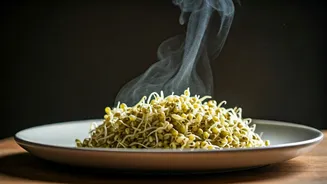
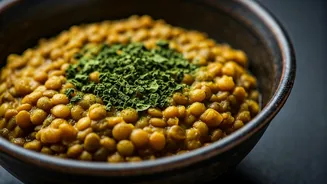
The single most effective way to ensure your moong sprouts are safe is to cook them thoroughly. Heat destroys harmful bacteria, eliminating the risk of foodborne illness. This doesn't mean you have to boil them into a mushy paste and lose all the texture you love. A light cooking process is sufficient. You can briefly steam them for 3-5 minutes until they are heated through but still retain a pleasant crunch. Another excellent method is to stir-fry them with a little oil and your favourite spices for a couple of minutes. Adding sprouts to curries, dals, or soups in the last few minutes of cooking also works perfectly. This simple step transforms them from a potential risk into a guaranteed healthy addition to your meal.
If You Must Eat Them Raw
Many people love the crisp, fresh texture of raw sprouts in salads and bhel. If you choose to eat them raw, it's crucial to understand you are accepting a higher level of risk. However, you can take steps to minimise it. First, always buy the freshest sprouts available from a reputable source that keeps them refrigerated. Avoid any that look slimy, discoloured, or have a musty smell. Before eating, wash your hands thoroughly and then rinse the sprouts under running water to remove any surface dirt. While this won't kill internal bacteria, it's a necessary hygienic step. Most importantly, individuals in high-risk groups—including pregnant women, young children, older adults, and anyone with a compromised immune system—should strictly avoid eating any kind of raw sprouts.
The Home Sprouting Advantage
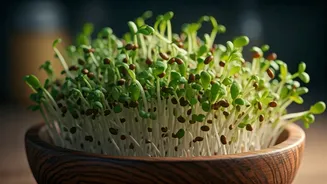
Sprouting moong beans at home can give you more control over the safety and hygiene of the process, potentially making it a safer option than buying pre-sprouted packs. To do it safely, start with high-quality seeds intended for sprouting from a trusted brand. Before you begin, thoroughly sanitise all your equipment, including the jar or container, with hot, soapy water. Rinse the beans multiple times a day (at least two to three times) with clean, filtered water. This frequent rinsing is key to washing away developing bacteria and keeping the environment clean. Ensure good air circulation and don't let the sprouts sit in stagnant water. Once they have reached your desired length, give them a final rinse, dry them as much as possible, and store them in a clean, airtight container in the refrigerator for no more than two to three days.
Know the Signs of Illness
Being aware of the symptoms of a sprout-related foodborne illness is part of being a safe consumer. Symptoms typically appear anywhere from 12 hours to 3 days after consumption and can include stomach cramps, diarrhoea, nausea, vomiting, and fever. In most healthy adults, the illness is self-limiting and resolves within a few days. However, if you experience severe symptoms like bloody diarrhoea, a high fever, or signs of dehydration (dizziness, little to no urination), it is essential to seek medical attention promptly. If you suspect your illness is from sprouts, informing your doctor can help with a proper diagnosis and treatment.