



The Problem with Traditional Lights
For decades, decorating for festivals has meant untangling strings of lights made with PVC-coated wires and incandescent bulbs. While nostalgic, these lights have significant drawbacks. The plastic, polyvinyl chloride (PVC), often contains additives like
lead and phthalates to keep it flexible and flame-retardant. These chemicals can be harmful to human health and the environment. Moreover, the incandescent bulbs inside are notoriously inefficient, converting most of the electricity they consume into heat, not light. This not only drives up electricity bills but also makes them a fire hazard. Their short lifespan, often just one or two seasons, means they quickly end up in landfills, contributing to a growing e-waste problem.
Enter LED Copper Wire Lights
A modern and increasingly popular alternative is the LED copper wire light, often called fairy lights. These consist of tiny, powerful light-emitting diodes (LEDs) attached to a thin, flexible copper wire instead of a bulky plastic cord. The copper wire itself is conductive and durable, allowing for delicate and versatile designs that are difficult to achieve with traditional lights. This simple change in construction materials leads to a cascade of benefits for both consumers and the planet.
Massive Gains in Energy Efficiency
The most significant advantage of LED technology is its incredible energy efficiency. LED lights consume up to 90% less energy than their incandescent counterparts. For example, a 100-bulb string of old-fashioned mini lights might use 40 watts, while a similar LED string uses only about 4 to 5 watts. This drastic reduction in power consumption leads to noticeable savings on electricity bills, especially for those who enjoy elaborate displays. Over the lifespan of the lights, the energy savings can more than pay for the initial higher cost of the LEDs. This efficiency also means a smaller carbon footprint, as less electricity needs to be generated.
Durability and a Longer Lifespan
LED copper wire lights are built to last. While a traditional incandescent bulb might last for 1,000 to 2,000 hours, a quality LED can shine for 25,000 to 50,000 hours. If used for a few hours each day during a festive season, a single string could last for decades. Unlike fragile glass bulbs with delicate filaments, LEDs are solid-state devices that are much more resistant to breakage. The copper wire is also more durable and less prone to tangling than stiff plastic cords. This longevity dramatically reduces waste, as fewer lights need to be thrown away and replaced each year.
Reducing Plastic and Toxic Waste
By eliminating the thick PVC casing, copper wire lights significantly cut down on plastic use. This is a major environmental win, as PVC production is energy-intensive and involves toxic chemicals. When discarded, old light strings are considered e-waste. While the copper inside is valuable and recyclable, it must be processed at specialized facilities, not in your home recycling bin where it can jam machinery. Because LED lights last so much longer, they generate far less e-waste over time. Furthermore, LEDs do not contain mercury, and modern versions are manufactured with non-toxic materials, making them a safer choice for homes and the environment upon disposal.
Making a Sustainable Choice
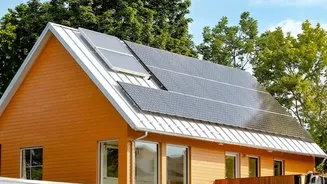
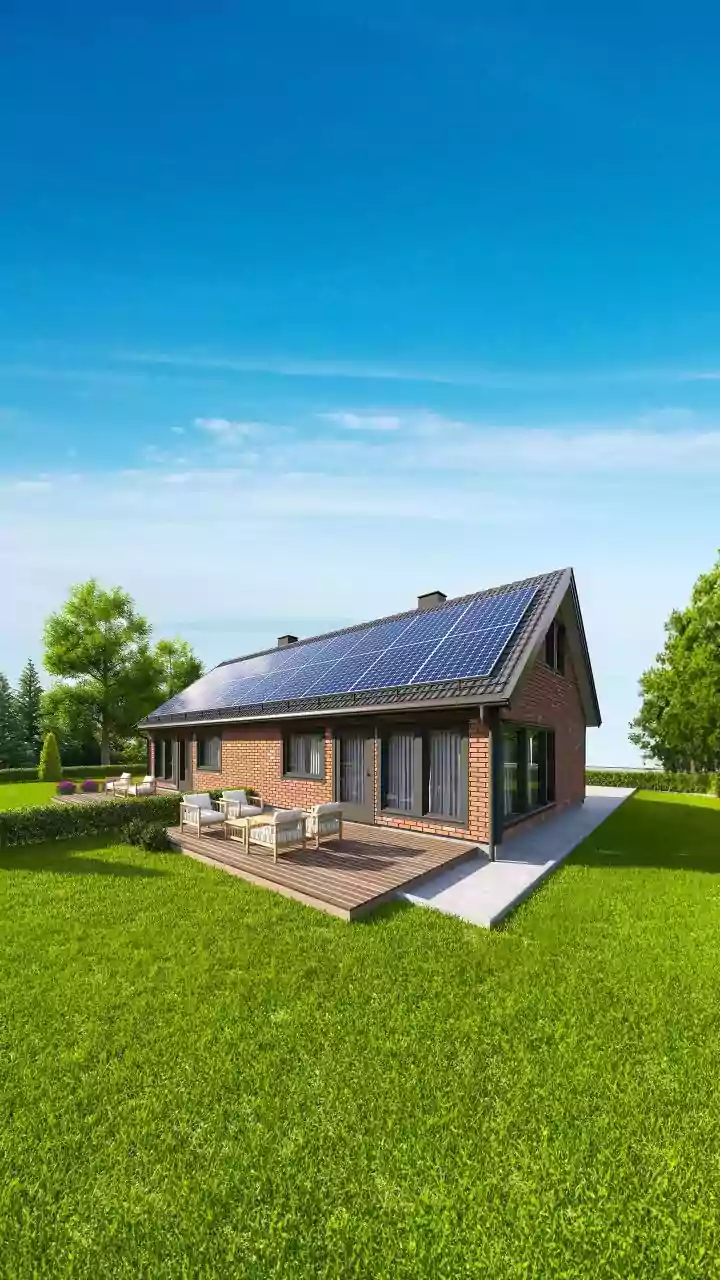
When shopping for LED copper wire lights, look for certifications that indicate safety and quality. Consider the power source—options include plug-in, battery-operated, and solar-powered models for ultimate sustainability. The flexibility of the copper wire also invites creativity beyond festival use; they can be used year-round for ambient home décor, wrapped around bed frames, placed in jars, or woven through plants, further extending their useful life and value. By choosing to invest in durable, efficient LED copper lights, you are not just buying a prettier, more versatile product—you are actively reducing energy consumption, plastic waste, and your overall environmental impact.