







The Agony of Dynamic Pricing
For years, the choice for long-distance travel in India has been a trade-off: the speed of a flight versus the economy of a train. But with airfares becoming increasingly volatile, that equation is changing. Dynamic pricing, which causes ticket costs
to skyrocket based on demand, has made last-minute flights a luxury many can't afford. This particularly affects millennials and Gen Z, who, according to recent travel reports, favour spontaneous, experience-driven trips. A weekend getaway plan can quickly unravel when a two-hour flight costs more than the hotel. This unpredictability has created an opening for a solution that blends speed, comfort, and, most importantly, cost-effectiveness.
A Modern Solution on Rails
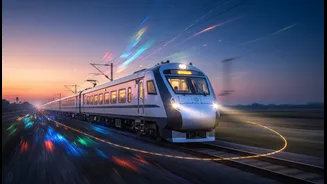
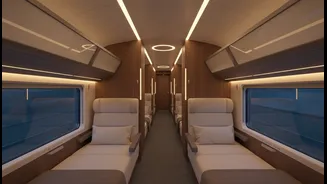
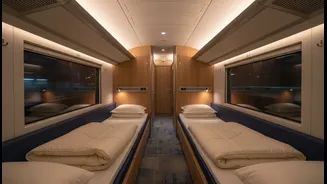
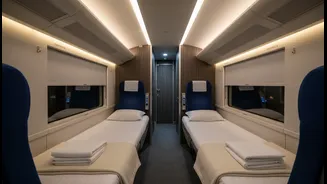
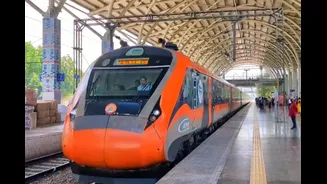
Enter the Vande Bharat sleeper express, Indian Railways' answer to premium overnight travel. Launched in early 2026, these trains are a significant upgrade from their predecessors. Designed for long-haul routes of over 800 kilometres, they are not just about getting from A to B; they are about how you get there. The coaches feature wider, better-cushioned berths, individual reading lights, charging points for every passenger, and automated doors. With a focus on providing a smoother, jerk-free ride and enhanced safety features, the experience is designed to compete with the comfort of a flight, but with the added bonus of a full night's sleep.
Doing the Math: Train vs. Plane
This is where the trend really gains traction. The Vande Bharat sleeper isn't just a nostalgic return to train travel; it's a calculated financial decision. Take the Howrah-Guwahati route, one of the first to get the new service. A First AC ticket on the Vande Bharat sleeper costs around ₹3,600. In contrast, a last-minute flight for the same journey can easily exceed ₹5,500, and often much more during peak season. The savings are even more significant for 2AC and 3AC classes. Beyond the ticket price, the overnight journey eliminates the need for one night's hotel accommodation, a major saving. Travellers also bypass the additional costs and time associated with airport transfers, long check-in queues, and baggage fees. You board at night, sleep comfortably, and wake up in your destination city, ready to start your day.
Why This Clicks With Millennials
The Vande Bharat sleeper aligns perfectly with the values of the modern Indian traveller. Millennials, who reports show are spending a significant portion of their income on travel, are famously value-oriented. They seek maximum experience for their money. This travel mode offers just that: it's efficient, comfortable, and Instagram-worthy, all while being easier on the wallet. The convenience of online booking through the IRCTC portal appeals to this digitally native generation. Furthermore, the very nature of an overnight train journey—watching the landscape change, sharing a meal, and disconnecting for a few hours—adds an experiential layer that a sterile, two-hour flight cannot match. It transforms travel from a mere transit into a part of the adventure itself.
The Growing Network of Opportunity
The initial launch on the Howrah-Guwahati corridor was just the beginning. With new routes like Delhi-Patna and Varanasi-Amritsar being rolled out in mid-2026, the network is expanding rapidly. Indian Railways plans to introduce dozens more of these sleeper trains, connecting major metropolitan hubs and popular tourist circuits across the country. As more of these trains become operational, they will offer a reliable and premium alternative on some of India's busiest and most expensive flight routes. This expansion promises to make comfortable long-distance travel more accessible and predictable, empowering a generation of travellers to explore more of the country without constantly worrying about exorbitant flight costs.