
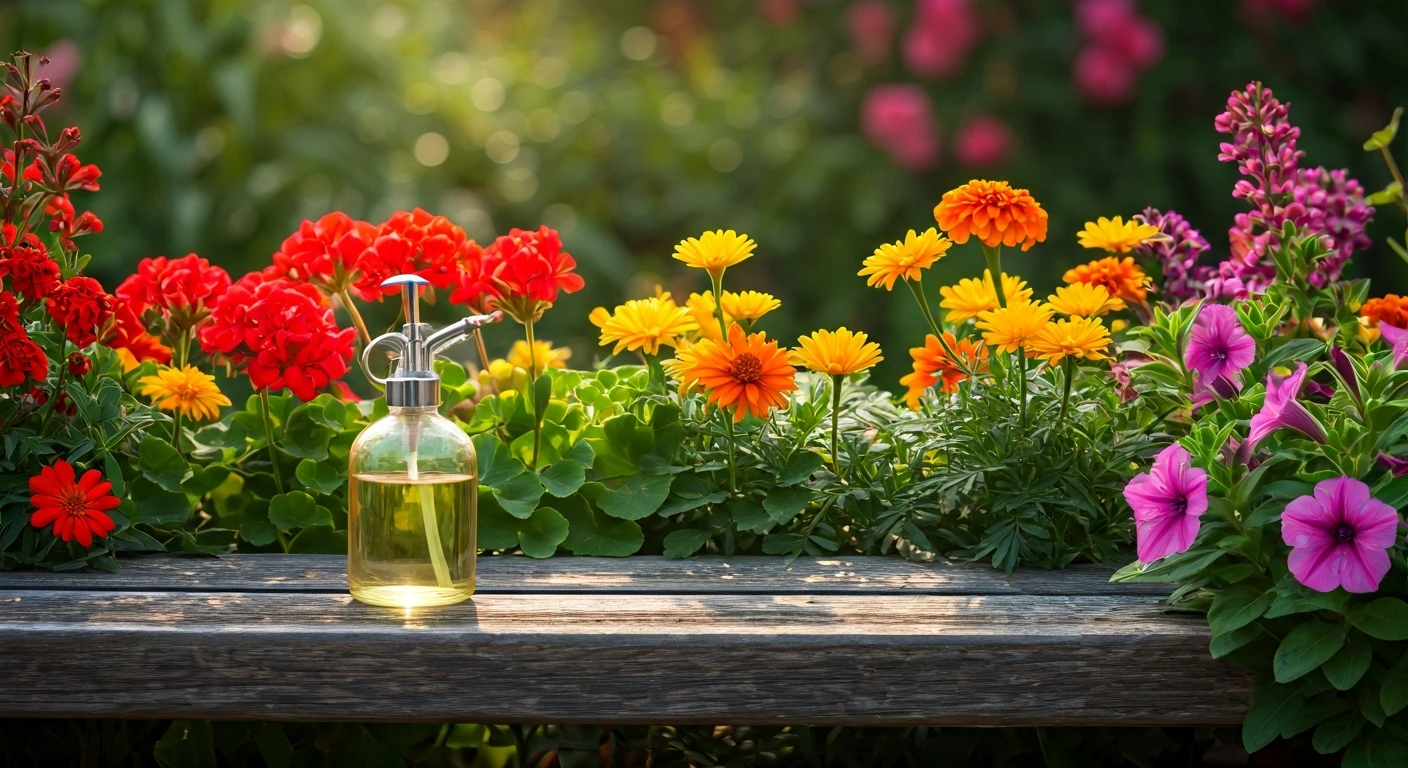


Why Banana Peels?
The trend isn't just about reducing kitchen waste; it's rooted in plant science. Banana peels are an excellent source of potassium, a crucial macronutrient for plants. Think of the three main numbers you see on fertilizer bags: N-P-K. This stands for Nitrogen
(for leafy growth), Phosphorus (for root and shoot development), and Potassium (K). Potassium plays a vital role in helping plants move water and nutrients, strengthening them against pests and diseases, and, most importantly for flower lovers, promoting robust budding and blooming. While commercial fertilizers offer a balanced N-P-K ratio, banana peel water provides a targeted potassium boost, making it a fantastic supplement for flowering and fruiting plants.
The Science Behind the Soak
When you soak banana peels in water, potassium and smaller amounts of other micronutrients like calcium, magnesium, and manganese leach into the liquid. This creates a gentle, easy-to-absorb 'tea' for your plants. It's important to have realistic expectations, however. Banana peel water is not a complete fertilizer. It is very low in nitrogen, which is essential for lush, green foliage. Therefore, it shouldn't be the only thing you feed your plants. Instead, consider it a performance enhancer for the flowering stage, especially for heavy feeders like roses, hibiscus, bougainvillaea, and even fruiting plants like tomatoes and chillies grown in pots. It complements a balanced feeding schedule, giving your plants that extra push to produce spectacular flowers.
How to Make Your Liquid Gold
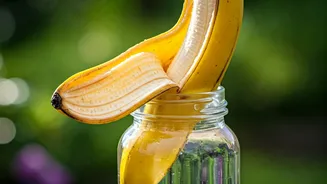
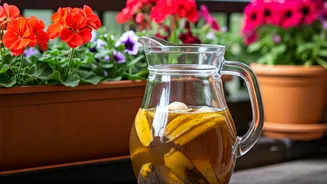
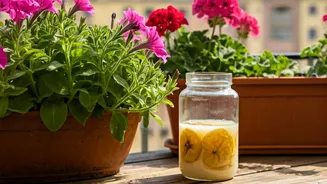
Making your own banana peel fertilizer is incredibly simple. Here’s a basic recipe: 1. **Collect and Chop:** Gather the peels from 2-3 bananas. Chop them into small, one-inch pieces. Chopping increases the surface area, allowing more nutrients to be released into the water. 2. **Soak:** Place the chopped peels in a large jar or container and cover them with about one litre of water. Seal the container loosely (to allow gases to escape) and let it sit in a cool, dark place for three to five days. You might notice the water turning a light brown and getting a slightly funky smell; this is normal. 3. **Strain and Dilute:** After a few days, strain the liquid to remove the solid peel pieces. The remaining peels are fantastic additions to your compost pile. For direct application, it's best to dilute the resulting 'tea' with an equal amount of fresh water to avoid overwhelming your plants.
Best Practices for Application
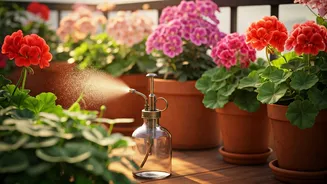
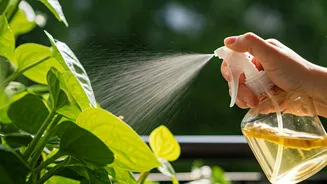
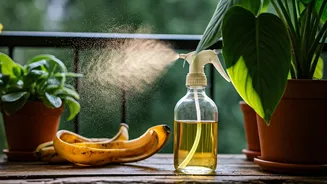
Once your banana water is ready, the best way to use it is as a soil drench. Water your plants with it as you normally would, ensuring the soil is evenly moistened. This allows the roots to absorb the potassium directly. How often should you use it? A good rule of thumb is to apply it once every two to three weeks during the growing and flowering season. Avoid using it on dormant plants or seedlings, which have different nutritional needs. Pay attention to how your plants respond. If you see more vibrant and frequent blooms on your marigolds or roses, you know it's working. If you notice any signs of stress, reduce the frequency.
A Word of Caution
While this DIY fertilizer is largely beneficial, there are a few things to watch out for. Firstly, don't just toss a whole banana peel on top of your pot's soil. As it decomposes slowly, it can attract pests like fruit flies and fungus gnats, and may even grow mould. The liquid fertilizer method avoids this issue. Secondly, the fermenting process can create a slight odour. Keeping the container in a less-frequented spot can help. Finally, remember this is a supplement. Your plants, especially those in containers, still need a well-rounded diet from compost or a balanced all-purpose fertilizer to truly thrive.