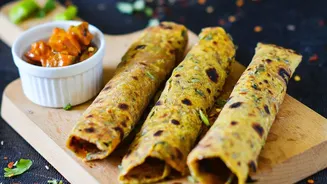


The Essence of a Reshmi Paratha
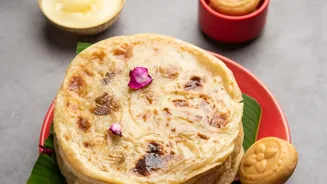
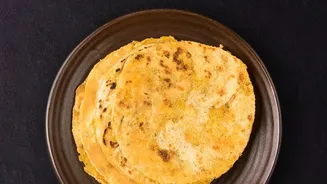
Before we get to the filling, it's crucial to understand what makes a Reshmi Paratha 'reshmi', or silky. Unlike robust, whole-wheat parathas, the classic Reshmi Paratha often uses refined flour (maida), along with fat like ghee or oil, and sometimes a tenderising
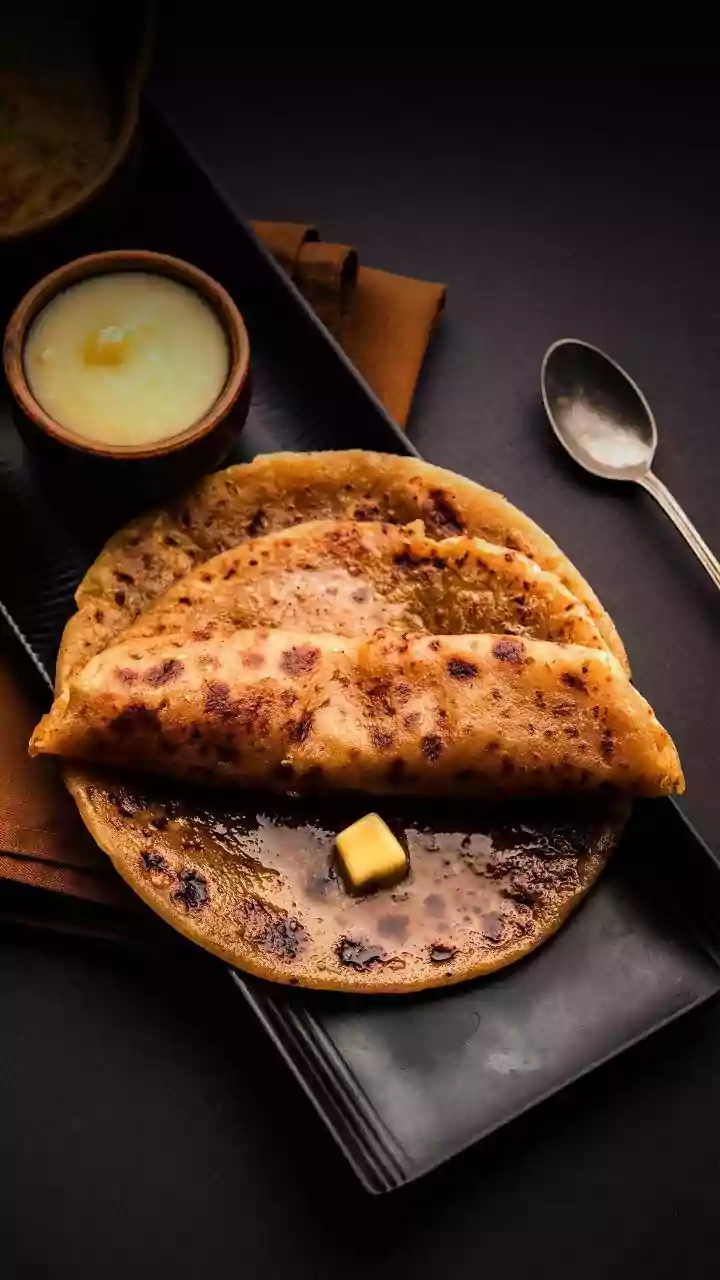
agent like milk, yoghurt, or even mashed potato kneaded into the dough. This combination creates a pliable, soft dough that, when cooked, results in a delicate, layered, and incredibly soft flatbread. The goal is tenderness, not crispiness, creating a texture that is almost cloth-like, similar to a Rumali Roti. This inherent softness is the baseline that any filling will inevitably alter.
The Challenge of Moisture
The primary agent of change in any stuffed paratha is water. Most vegetables, from cauliflower and radish to cabbage and spinach, have a high moisture content. A traditional Reshmi Paratha is cooked with dry heat on a tawa, allowing its layers to cook through gently. When you encase a pocket of vegetable filling within this delicate dough, you are introducing a significant amount of trapped moisture. This creates a fundamental conflict: the paratha wants to cook from the outside in with dry heat, while the filling begins to steam from the inside out. This internal steaming is the single biggest factor that alters the final texture of the flatbread.
How Steam Changes Everything
As the paratha hits the hot griddle, the water in the vegetable filling turns to steam. With nowhere to escape, this steam permeates the surrounding dough from the inside. Instead of the layers gently cooking and separating, they become infused with moisture. This process effectively steams the inner walls of the paratha, leading to a denser, softer, and sometimes gummier texture compared to its unfilled counterpart. The characteristic light, flaky quality of a great layered paratha is compromised because the steam prevents the layers from drying out and separating. The more water in your filling, the more pronounced this effect will be, potentially leading to a soggy paratha that tears easily.
The Texture Trade-Off
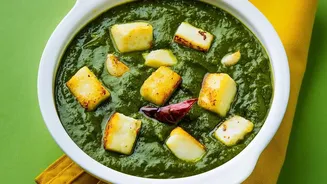
This doesn't mean a stuffed Reshmi Paratha is a failed paratha; it's simply a different culinary experience. You trade some of the original silky airiness for a new texture that is soft, flavour-infused, and substantial. Drier fillings, such as spiced mashed potatoes (with excess moisture boiled off) or crumbled paneer, will have a less dramatic effect. These fillings release less steam, allowing the dough to retain more of its original character. Conversely, very wet fillings like grated radish or chopped leafy greens, if not prepared correctly, will result in a much softer, almost dumpling-like texture where the filling and dough nearly merge. The paratha becomes less of a layered bread and more of a single, soft, filled disc.
Techniques for Textural Triumph
The key to controlling the textural change is to manage the moisture in your filling before it ever meets the dough. For vegetables like cauliflower, radish, or cabbage, it is essential to remove excess water. A common technique is to grate the vegetables and mix them with salt, allowing the salt to draw out the water, which can then be squeezed out thoroughly. Another effective method is to lightly sauté the grated or chopped vegetables for a few minutes to evaporate the moisture before allowing the filling to cool completely. Using a binding agent like a tablespoon of roasted gram flour (besan) or some breadcrumbs in your filling can also help absorb any residual moisture, protecting the integrity of the dough.
Rolling and Cooking Adjustments
A vegetable filling also demands a change in technique. The dough must be rolled gently to avoid tearing and exposing the filling. Many cooks find success by first creating a small pocket with their fingers, placing the cooled filling inside, and then carefully sealing it before rolling. Applying even, light pressure is key. When cooking, the heat needs to be managed carefully. A tawa that is too hot can burn the outside before the filling is heated through, while a tawa that isn't hot enough can make the paratha tough. A medium-hot griddle allows the paratha to cook evenly, ensuring the exterior gets golden spots while the inside heats up properly.