




The King of Fruits Takes Centre Stage
For mango lovers, the Delhi International Mango Festival, or 'Aam Mahotsav', is nothing short of paradise. An annual tradition eagerly awaited by residents and tourists alike, this event transforms a part of the capital into a veritable museum of mangoes.
Organised by Delhi Tourism, the festival is more than just a marketplace; it's a cultural deep-dive into India's profound love affair with this fruit. From poetry and folklore to its place on the dining table, the mango is woven into the fabric of Indian life, and this festival is its grandest stage. It provides a unique opportunity for farmers from across the country, especially from states like Uttar Pradesh, Bihar, and West Bengal, to showcase their prized harvest directly to an appreciative urban audience.
A Dazzling Display of Diversity
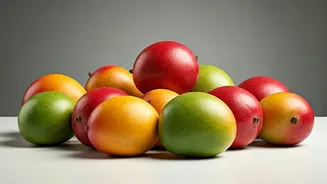
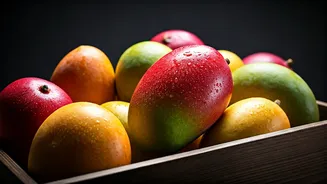
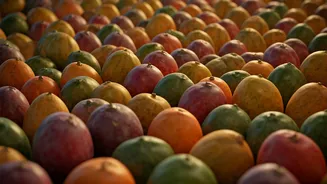
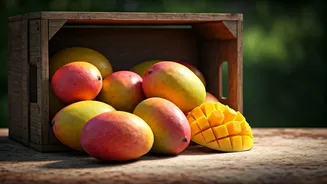
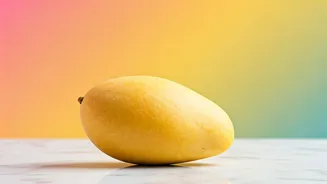
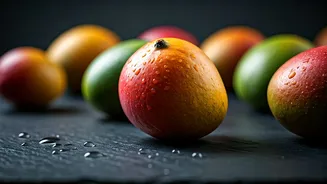
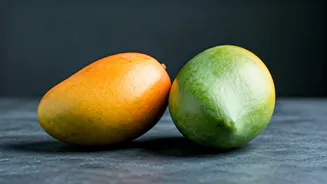
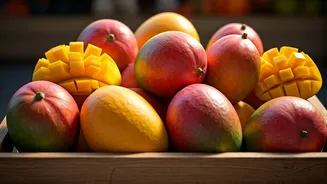
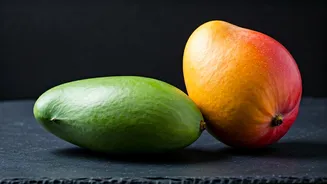
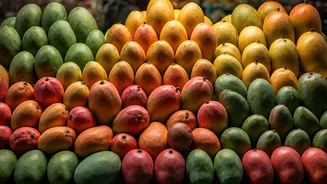
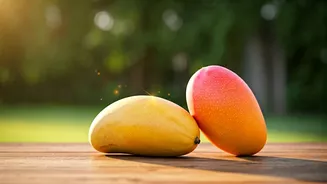
The headline claim of "hundreds of varieties" is no exaggeration. While most of us are familiar with household names like Dasheri, Langra, Chausa, and Alphonso, the festival throws the doors open to a staggering world of mango diversity. Visitors can feast their eyes on over 300, and sometimes up to 500, different types of mangoes, each with its own unique shape, size, colour, aroma, and flavour profile. The sheer variety on display is an education in itself. You'll find mangoes as small as a grape and others weighing several kilograms. The names are often as colourful as the fruits themselves, with varieties like 'Husanara' (beauty-adorned), 'Mallika' (queen), and 'Pairi' (parrot-like) telling their own stories.
Beyond the Usual Suspects
This is your chance to move beyond the supermarket selection. The festival is renowned for showcasing rare, hybrid, and lesser-known regional gems that you would be hard-pressed to find anywhere else. Look out for intriguing varieties that have gained legendary status at the festival over the years. You might encounter the 'Rataul', a small but intensely fragrant mango from Uttar Pradesh, or the 'Abdullah Pasand', a famously juicy variety. Farmers often display their most unique creations, including mangoes named after celebrities or politicians. Exploring these stalls is a treasure hunt for the senses, offering a chance to taste and purchase fruits that represent the incredible agricultural biodiversity of India. It’s a powerful reminder that the world of mangoes is far vaster than we imagine.
More Than Just a Tasting
While tasting and buying mangoes is the main event, the festival is a full-fledged carnival. It’s packed with activities for the entire family. One of the most popular and entertaining events is the mango-eating competition, where participants race against the clock to devour as many mangoes as possible, often with hilarious and messy results. Beyond that, you can attend cooking demonstrations to learn how to make mango-based delicacies, from refreshing drinks to complex desserts. There are also quiz competitions to test your mango knowledge, cultural performances like folk dances and music, and stalls selling a wide array of processed mango products. Think mango pickles (aam ka achaar), sweet preserves (murabba), fruit leather (aam papad), juices, and even mango-infused savoury snacks.
A Sweet Slice of History
This celebration of the mango is not a recent phenomenon. The Delhi International Mango Festival has been a staple of the city’s cultural calendar since it was first held in 1987. Over the decades, it has grown in scale and popularity, cementing its status as a must-visit event. Its longevity is a testament to the enduring appeal of the mango and the festival's role in connecting farmers with consumers, preserving agricultural heritage, and promoting agro-tourism. For many Delhiites, a visit to the festival is a cherished summer ritual, a tradition passed down through generations. It serves as a vibrant, living archive of India's mango legacy, ensuring that the stories and flavours of these diverse varieties continue to be celebrated.