


Why Open Footwear is Winning the Monsoon
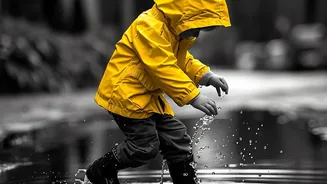
For years, the default rainy-day choice involved attempting to shield feet in closed shoes, only to end up with damp, smelly sneakers that take days to dry. The 2026 shift towards sandals and other open styles is a practical rebellion against the soggy
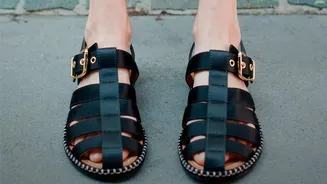
sock. The primary advantage is ventilation. Open footwear allows feet to breathe and, most importantly, dry quickly after a sudden shower or a walk through a waterlogged street. This rapid drying process is crucial, as prolonged moisture trapped inside closed shoes creates an ideal breeding ground for fungal and bacterial infections, such as Athlete's foot. By letting air circulate freely, sandals significantly reduce the risk of these common monsoon maladies, making them a healthier choice for day-to-day wear during the rainy season.
Material is Everything: What to Look For
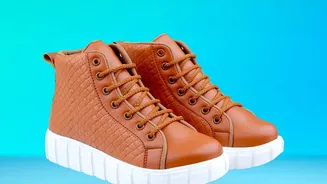
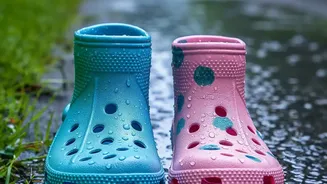
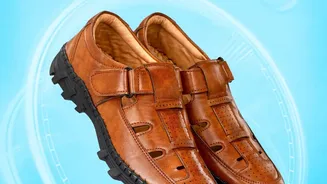
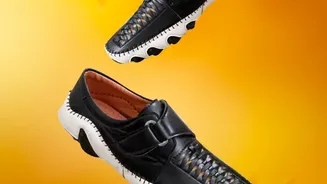
Not all sandals are created equal, especially when faced with rain. The key to a successful monsoon sandal lies in its material. Experts agree that rubber, EVA (Ethylene Vinyl Acetate), and PVC are the top choices. These materials are inherently waterproof, meaning they don't absorb water, and can be wiped clean and dry in minutes. EVA, a lightweight foam, is particularly popular for its comfort and shock-absorbent properties, making it ideal for daily commuting. On the other hand, materials to strictly avoid are leather, suede, and canvas. Water can permanently damage leather, causing it to stretch, stiffen, or crack. Fabric-lined or canvas shoes act like sponges, holding onto moisture and dirt, which leads to bad odour and material breakdown.
The Low Heel: A Surprising Hero
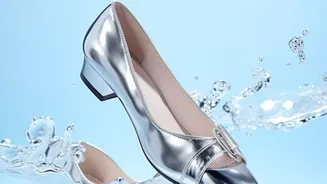
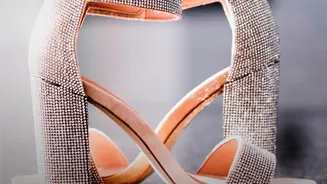
While flip-flops are an easy choice, the slight elevation of a low, chunky heel or platform sandal offers distinct advantages. Firstly, it lifts your feet just enough to keep them out of shallow puddles and away from the worst of the splashback from the street. This small height difference can mean less direct contact with dirty rainwater. Secondly, a sturdy, wide heel provides more stability than a completely flat sole, which might lack arch support for longer walks. It offers a stylish middle ground, avoiding the impracticality and danger of high heels on slippery surfaces while providing a more structured and put-together look than basic flats. Look for styles with straps that secure the ankle to prevent your foot from sliding around when the sole gets wet.
Prioritising Grip for Safety
Style and comfort are important, but safety is paramount during the monsoon. Slippery, wet surfaces are an unavoidable hazard, making anti-slip soles a non-negotiable feature. When choosing your footwear, flip it over and inspect the outsole. Look for deep grooves, textured patterns, or multi-directional lugs. These features are designed to channel water away from the sole and create friction, providing a firm grip on slick tiles, marbled floors, and muddy paths. A smooth, flat sole is a recipe for disaster in the rain. A good quality rubber or EVA outsole designed for wet traction is your best defence against slips and falls.
Essential Foot Care for Sandal Wearers
Wearing open footwear exposes your feet to the elements, including contaminated water, which can lead to infections if not cared for properly. Make it a habit to wash your feet with soap and water as soon as you get home. Afterwards, dry them thoroughly, paying special attention to the skin between your toes where moisture can linger. Using an antifungal powder can provide an extra layer of protection. It is also wise to rotate between at least two pairs of monsoon footwear. This ensures that each pair has ample time to dry out completely before being worn again, which prevents the growth of odour-causing bacteria and fungi.