



The Search for 'Better-for-You' Bites
Health is no longer a niche concern; it's a mainstream driver of snack purchases across India. A growing number of consumers are actively reading labels, looking for clean ingredients and nutritional benefits. This shift has propelled the healthy snacks
market, which is projected to grow significantly, reaching nearly USD 5 billion by 2032. Shoppers are increasingly choosing snacks that are baked, not fried, and made from wholesome ingredients. Millets like jowar, bajra, and ragi are making a major comeback, appearing in everything from puffs and crackers to cookies. These ancient grains are valued for being high in fibre and naturally gluten-free. Similarly, makhana (fox nuts) has transitioned from a traditional fasting food to an everyday superstar, celebrated for its high protein content and crunchy texture. Consumers are deliberately swapping out fried snacks and biscuits for these healthier alternatives.
Protein is the New Priority
Across the board, protein content has become a key factor in purchasing decisions. A recent survey found that a staggering 86% of respondents considered protein important when choosing a snack. This demand has given rise to a whole new category of products, from protein bars replacing traditional chocolate bars to Greek-style yoghurts and nut and seed mixes becoming go-to options. Even familiar formats are getting a protein boost. This trend is driven by a desire for snacks that offer satiety and sustained energy, fitting into busy urban lifestyles where a snack might double as a mini-meal. Brands are responding by clearly highlighting protein content on their packaging, turning a nutritional detail into a primary selling point.
Convenience Gets a Digital Upgrade
Hectic work schedules and long commutes have made convenience a non-negotiable demand for Indian consumers. This has fueled the market for ready-to-eat and on-the-go snack formats. However, the biggest shift in convenience is happening online. The rapid growth of quick commerce platforms like Blinkit, Zepto, and Instamart has fundamentally changed how people discover and buy snacks. These 10-minute delivery apps have made impulse buying easier than ever and have levelled the playing field for newer, direct-to-consumer (D2C) brands. A small regional brand can now appear alongside a massive national player, with the purchase decision coming down to reviews and ingredients rather than just brand recognition. This digital shift is also making a wider variety of snacks more accessible to consumers in Tier-2 and Tier-3 cities.
A Modern Twist on Traditional Tastes
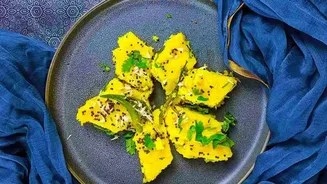
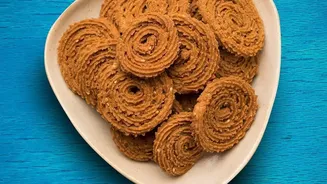
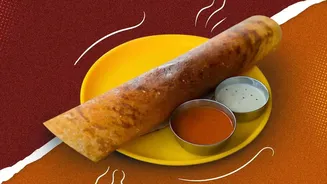
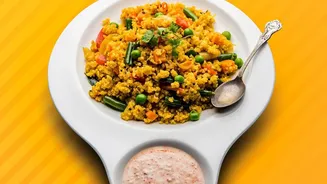
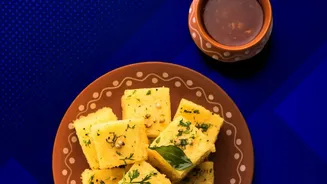
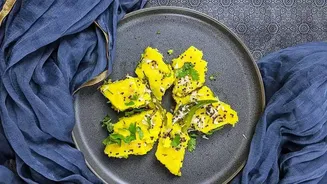
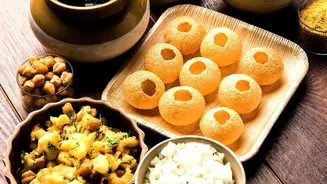
While new global flavours are finding their place, there is a powerful counter-trend celebrating authentic, regional Indian recipes. Consumers are showing a growing appreciation for traditional snacks, which they often perceive as being more trustworthy and hygienic, especially in packaged formats. This has created an opportunity for brands to innovate by taking beloved local flavours and giving them a modern, premium makeover. Think Kerala's banana chips made with transparent sourcing, or traditional sweets and namkeens offered in high-quality, convenient packaging. D2C brands, in particular, have been successful in this area, using storytelling to connect with consumers and highlight the heritage behind their products. This trend proves that while consumers are open to new experiences, the comfort of familiar tastes remains a powerful draw.