
An Ancient Answer to Modern Watering Woes
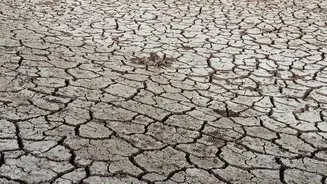
An olla (pronounced 'oy-yah') is simply an unglazed terracotta pot that is buried in soil and filled with water to irrigate plants. This method isn't new; it's an ancient technique used by civilizations for thousands of years in arid climates to grow
food with incredible water efficiency. For today's urban gardener, it represents a simple, set-and-forget solution. The concept involves burying the porous clay pot in your container or planter, leaving only the neck exposed. You fill the olla with water, and it becomes a subterranean reservoir that delivers moisture directly to where plants need it most: the roots.
The Simple Science of Self-Watering
The magic of the olla lies in its porous walls and a natural process called soil moisture tension. Unglazed clay allows water to seep out slowly. However, the water doesn't just leak out uncontrollably. Instead, it's 'pulled' through the pot's walls by the surrounding dry soil and the plant's roots. When the soil is moist, such as after a rain, the water stays inside the olla. As the soil dries, the tension increases, drawing water out to create a perfect equilibrium. This self-regulating system means plants get a consistent level of moisture without the stress of going from bone-dry to waterlogged, which can cause issues like fruit cracking in tomatoes. It also drastically reduces water loss from surface evaporation and runoff, with some studies showing water savings of up to 70% compared to surface watering.
Why Ollas are Ideal for Balcony Containers
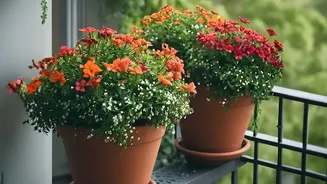
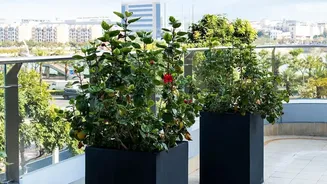
Container gardens, especially those on sunny, windy balconies, dry out much faster than in-ground beds. This makes them particularly vulnerable during hot weather. Ollas are a game-changer in this environment. By delivering water below the surface, they encourage roots to grow deeper and stronger, creating more resilient plants. This underground watering also keeps the soil surface drier, which can help reduce the growth of weeds. Furthermore, keeping foliage dry helps prevent the spread of fungal diseases that thrive on wet leaves. For anyone who has ever returned from a weekend away to find their prized container plants wilted, an olla offers a reliable buffer, keeping the soil hydrated for days at a time.
Getting Started: Tips for Success
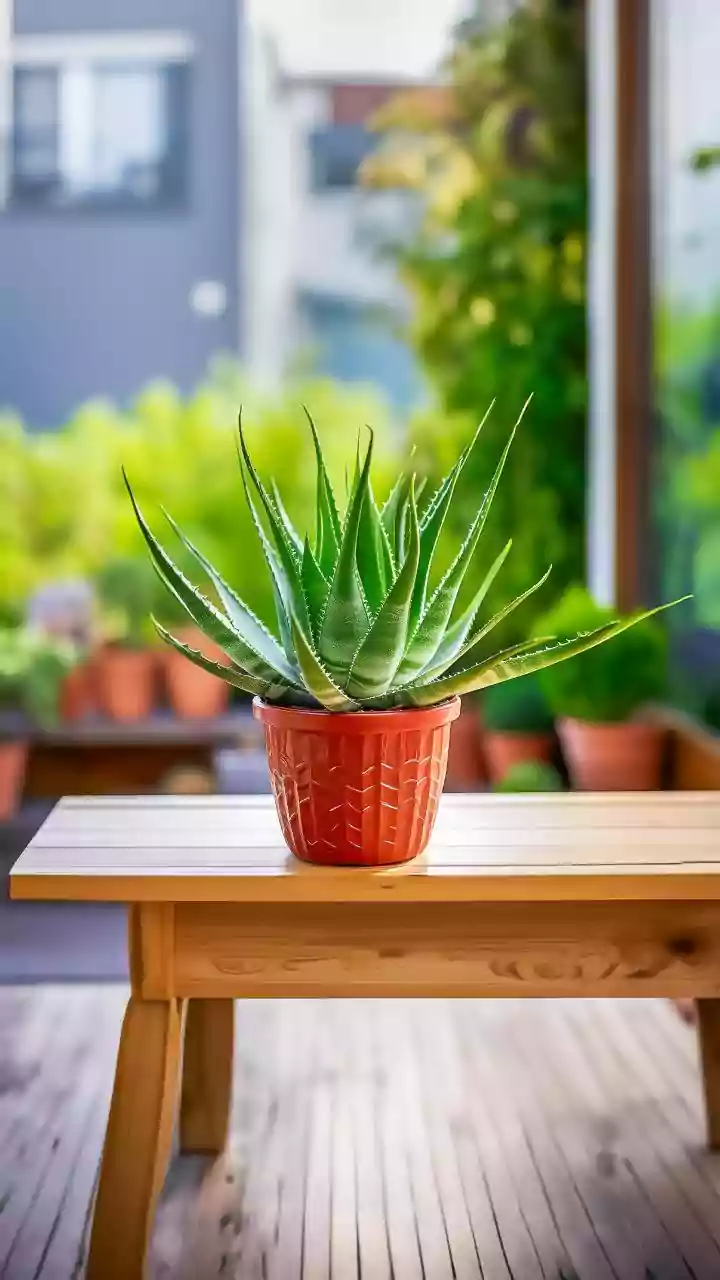
Using an olla in a pot is straightforward. For most containers up to about 24 inches in diameter, a single olla is sufficient. When potting, place the olla in the center of the container first, burying it so only the neck is above the soil line. Then, arrange your plants around it. Place thirstier plants like tomatoes, peppers, or basil closest to the olla. While many plants benefit, this method is especially effective for those that love consistent moisture, such as most vegetables and annual flowers. It's less ideal for succulents or other plants that require a distinct dry-out period. Initially, you may need to surface-water new transplants for a week or two until their roots grow long enough to tap into the olla's moisture zone. Refill the olla every few days to a week, depending on its size and the weather.
A Few Things to Keep in Mind
While incredibly effective, ollas aren't without a few considerations. The water is released in a limited radius, so a single olla won't work for a very large planter. You should also avoid adding liquid fertilizers directly into the olla, as this can clog the clay's pores over time. Plant roots, especially from aggressive growers, can eventually encase the olla, and very strong, woody roots could potentially crack the pot. At the end of the growing season, especially in climates with hard freezes, it's wise to remove the ollas from the soil, clean them, and store them indoors to ensure they last for many years to come.