







The Annual Urban Deluge
Recent weeks in September have seen this script play out in several major cities. In Mumbai, continuous heavy rainfall disrupted normal life, with waterlogging reported in areas like Nalasopara, Dadar, and near the international airport, affecting both
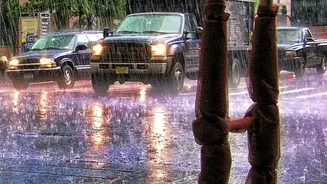
road and rail services. Similarly, heavy evening showers in Bengaluru on September 15 led to widespread waterlogging across key areas like Koramangala, HSR Layout, and even on the Electronics City flyover, bringing evening rush-hour traffic to a standstill. Delhi and Ahmedabad have also faced similar scenarios, with downpours leading to inundated roads, underpasses being shut, and commuters being stranded for hours. This recurring problem highlights a nationwide vulnerability, where even a few hours of intense rain can paralyze an entire metropolis.
Why Our Cities Flood
This isn't just a case of too much rain. The root causes are systemic and have been building for decades. Rapid and often unplanned urbanization is a primary culprit. Cities have expanded by paving over natural floodplains, lakes, and wetlands that once acted as sponges for excess rainwater. This concretization increases surface runoff dramatically. Compounding this is the state of our civic infrastructure. Many cities rely on ageing, British-era drainage systems that are simply not designed for the current population density or the increasing intensity of rainfall linked to climate change. These drains are frequently choked with plastic waste, silt, and construction debris, severely reducing their capacity to carry water away. This combination of lost natural drainage and overburdened artificial systems makes flooding almost inevitable.
The Gridlock Effect
Waterlogging and traffic chaos go hand-in-hand. As water accumulates, it forces vehicles to slow to a crawl, creating immediate bottlenecks. Key junctions and underpasses become impassable, severing major arterial routes and causing a domino effect across the city's road network. Vehicle breakdowns are common, as water enters engines and exhaust pipes, leaving cars stranded and further obstructing traffic. Public transport is also hit hard, with submerged railway tracks and flooded bus depots disrupting services that millions rely on. The result is a citywide gridlock where commute times multiply, emergency services can be delayed, and economic productivity takes a significant hit from lost work hours.
A Commuter's Survival Guide
While long-term solutions are up to city planners, individuals can take steps to navigate the chaos more safely. Before leaving, always check real-time traffic updates on mapping apps and local traffic police social media feeds. If severe waterlogging is reported on your route, it's best to delay your travel or work from home if possible. If you must drive, avoid submerged roads. It's difficult to judge the depth of water, which can conceal open manholes or deep potholes. Never drive through moving water. Experts say as little as a foot of moving water can float a car. If you must cross a shallow, waterlogged patch, drive slowly and steadily in a low gear to keep engine revs high and prevent water from entering the exhaust. After passing through water, gently tap your brakes a few times to help dry them out.
Beyond the Annual Cleanup
Solving this issue requires a fundamental shift in urban planning. Experts point to the need for enforcing regulations against encroaching on water bodies, investing in the large-scale upgrade and regular maintenance of stormwater drain networks, and preserving green spaces. Some cities are exploring the concept of "sponge cities," which involves creating more permeable surfaces—like parks and porous pavements—that can absorb rainwater naturally. While these are long-term, expensive projects, they represent a move away from simply reacting to floods and toward building climate-resilient urban environments. The annual monsoon mayhem is a reminder that India's cities need to prepare for the weather of the future, not the past.